Where To Find Every Evidence In L.A. Noire
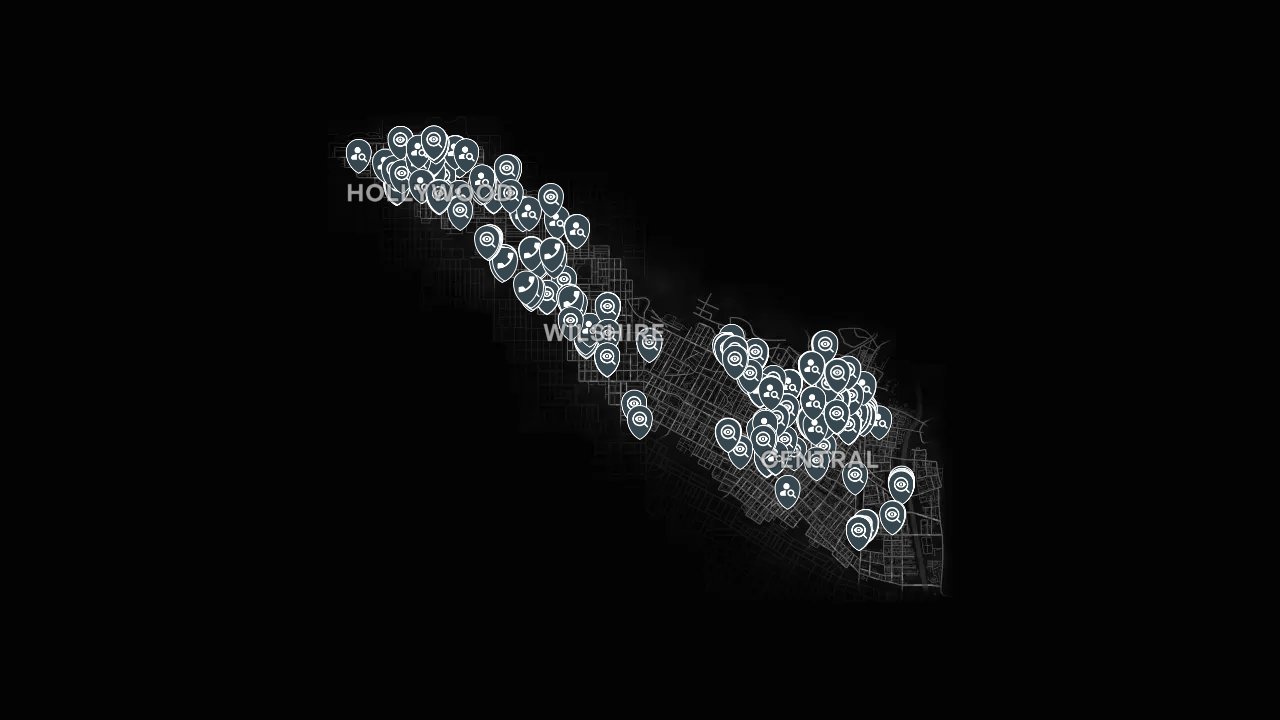
Evidences in L.A. Noire form the backbone of detective work, requiring players to carefully examine crime scenes and interrogate suspects to build compelling cases. These crucial gameplay elements determine whether you’ll successfully solve each investigation or watch criminals walk free due to insufficient proof.
The L.A. Noire Interactive Map streamlines your investigative process by pinpointing every evidence location across the sprawling 1940s recreation of Los Angeles. Rather than missing critical clues that could make or break your cases, you can systematically work through each area to ensure thorough evidence collection.

What Evidences Are Used For
Evidences serve as the foundation for case progression, interrogation success, and overall detective rating in L.A. Noire. Missing key evidence often results in failed interrogations and unsolved cases.
- Unlock new interrogation options when questioning suspects and witnesses
- Provide concrete proof to contradict false statements during interviews
- Advance case storylines by revealing connections between crimes
- Improve your detective rating through thorough investigation techniques
- Access hidden dialogue branches that reveal additional plot details
Evidences Types
The evidence system in L.A. Noire encompasses three distinct marker types, each serving a specific role in building your cases and understanding the criminal underworld of 1940s Los Angeles.
Clues
Physical evidence scattered throughout crime scenes that require careful examination using Cole Phelps’ investigative skills. These items range from bloodstained clothing to suspicious documents, each providing crucial information that can expose lies during interrogations. Finding all clues at a scene often unlocks additional leads and ensures you have the evidence needed to confront suspects effectively.
Persons of Interest
Key individuals connected to ongoing investigations who possess vital information about crimes and criminal networks. These characters often hold missing puzzle pieces that link seemingly unrelated cases together. Locating and properly interrogating persons of interest frequently opens new case branches and reveals the broader conspiracy underlying L.A. Noire’s interconnected storylines.
Telephone
Communication points that provide access to police dispatch, witness testimonies, and inter-departmental information crucial to case progression. These locations serve as information hubs where Cole can receive new assignments, coordinate with fellow detectives, and gather background intelligence on suspects. Properly utilizing telephone access points often reveals time-sensitive leads that must be pursued immediately.
How to Use the Map Efficiently
Strategic evidence collection requires understanding L.A. Noire’s case structure and the geographic distribution of clues across different neighborhoods and crime scenes.
- Focus on active case areas first, as evidence directly relates to current investigations
- Use fast-travel between police stations to efficiently cover large distances
- Prioritize crime scenes during daylight hours when visual details are clearest
- Check telephone locations near major intersections for dispatch updates
- Return to previous crime scenes after advancing cases, as new evidence may become accessible
- Coordinate evidence collection with partner availability, as some clues require teamwork
Evidences Locations Table
Reference guide for the three main evidence categories and their investigative value.
| Type | What You Get | Notable Detail |
|---|---|---|
| Clues | Physical evidence for interrogations | Requires careful examination mechanics |
| Persons of Interest | Witness testimonies and leads | Often trigger new case branches |
| Telephone | Dispatch updates and coordination | Time-sensitive information access |
Tips for Evidences Hunting
- Always examine items from multiple angles, as some clues require specific viewing perspectives
- Listen for the investigation music to fade completely before leaving crime scenes
- Take notes on evidence connections, as some clues become relevant in later cases
- Check your notebook regularly to track which evidences you’ve collected per case
- Revisit locations after story progression, as new evidence often becomes available
- Pay attention to environmental storytelling that hints at hidden evidence locations
FAQs
Can I miss evidences permanently in L.A. Noire?
Most evidences remain accessible throughout the game, but some case-specific clues may become unavailable once you complete certain investigations. It’s best to thoroughly search each crime scene before progressing.
Do I need all evidences to complete cases?
While you can complete cases without finding every piece of evidence, collecting all clues significantly improves your interrogation success rate and detective rating. Missing key evidence often leads to failed accusations.
How do I know when I’ve found all evidences at a location?
The investigation music will stop playing completely once you’ve discovered all available clues at a crime scene. Your controller will also stop vibrating when examining objects that contain no evidence.
Can evidences be used across different cases?
Yes, many pieces of evidence connect multiple cases throughout L.A. Noire’s storyline. Information gathered from one investigation frequently becomes crucial for solving later cases, especially when dealing with recurring characters and criminal organizations.
Credit: L.A. Noire by Wand