Where To Find All Crafting In Crimson Desert
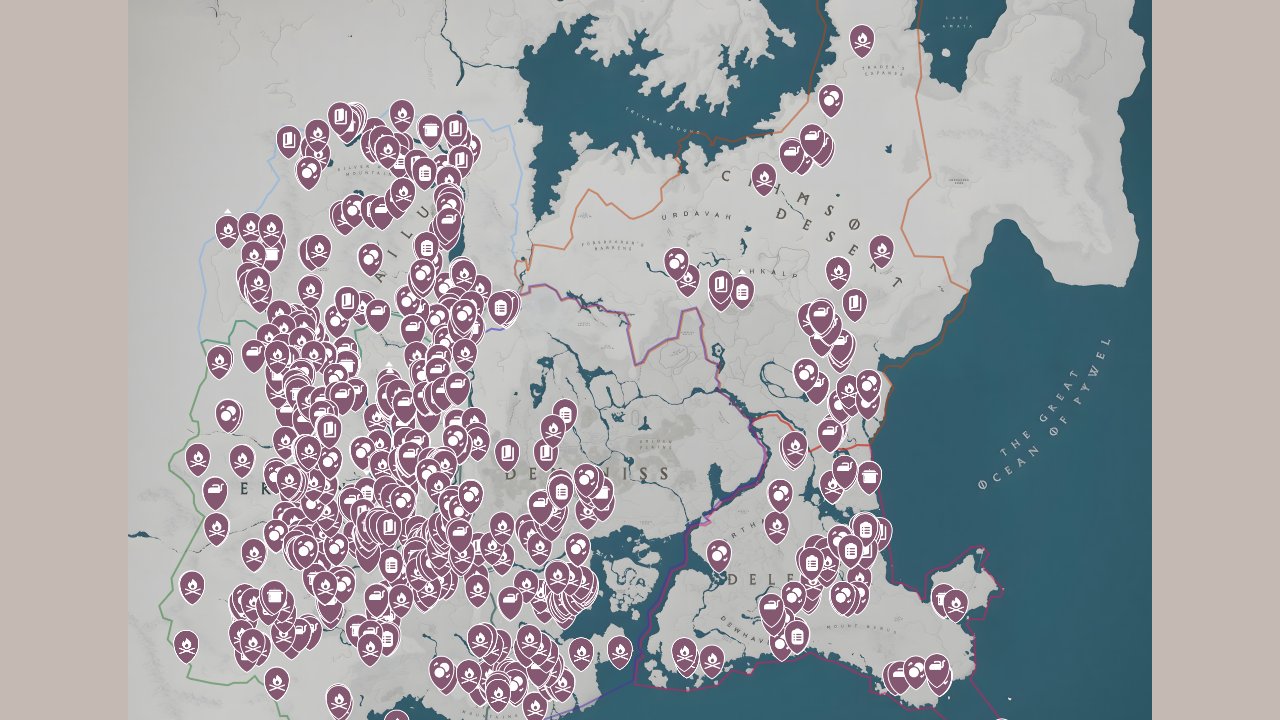
Crafting in Crimson Desert forms the backbone of character progression and survival in the harsh desert environment. The game features an intricate crafting system where players must locate specific stations, recipes, and tools scattered across the vast open world to forge equipment, prepare food, and create essential consumables. The Crimson Desert Interactive Map filters all crafting locations into one comprehensive view, making it easy to plan efficient routes between anvils, cooking fires, and recipe locations. Whether you’re upgrading weapons at a grindstone or discovering new equipment blueprints, having all crafting markers visible eliminates guesswork and saves valuable exploration time.

What Crafting Are Used For
Crafting stations and recipes serve as the primary method for creating and upgrading gear, consumables, and tools necessary for survival and combat effectiveness in Crimson Desert.
- Forge and upgrade weapons and armor at anvils and grindstones
- Cook meals that provide temporary stat bonuses and health restoration
- Craft essential consumables like arrows, potions, and repair kits
- Learn new recipes to expand your crafting capabilities
- Create specialized equipment using discovered blueprints
Crafting Types
The crafting system in Crimson Desert is divided into six distinct marker types, each serving specific functions in your character’s development and survival needs.
Anvil
Anvils represent the primary weapon and armor crafting stations throughout the world. These heavy metal workbenches allow you to forge new equipment from raw materials and perform basic upgrades to existing gear. Most settlements contain at least one anvil, though some remote locations feature specialized anvils with unique crafting options.Recipe
Recipe markers indicate locations where you can discover new crafting formulas for weapons, armor, food, and consumables. These knowledge fragments expand your crafting repertoire permanently once collected. Recipes are often hidden in ruins, abandoned camps, or carried by defeated enemies in specific areas.Bonfire
Bonfires serve as cooking stations where raw ingredients transform into beneficial meals and consumables. These fire pits are essential for food preparation and creating temporary buff items that enhance combat performance. Many bonfires also function as rest points where you can save progress and plan your next moves.Equipment Blueprint
Equipment blueprints unlock advanced crafting patterns for specialized weapons, armor pieces, and tools. These rare discoveries often require specific materials and higher skill levels to execute. Blueprints typically yield superior equipment compared to basic recipes found elsewhere in the world.Grindstone
Grindstones provide weapon sharpening and enhancement services that improve damage output and durability. These rotating stone wheels are crucial for maintaining weapon effectiveness during extended adventures. Some grindstones offer unique enhancement options not available through standard anvil work.Special Cooking Tool
Special cooking tools represent advanced culinary stations that enable complex food preparation beyond basic bonfire cooking. These specialized implements allow creation of high-tier meals with powerful temporary effects. They’re often found in abandoned kitchens or camps of skilled cooks and alchemists.How to Use the Map Efficiently
Planning your crafting route requires understanding the distribution patterns of different station types and their proximity to material sources and fast travel points.
- Start with major settlements that typically house multiple crafting stations including anvils and bonfires
- Mark recipe locations near your planned travel routes to collect them while moving between objectives
- Prioritize grindstone locations when carrying weapons that need maintenance or enhancement
- Scout special cooking tools in abandoned structures and camps for advanced meal preparation
- Check equipment blueprint locations in ruins and dungeons during exploration phases
- Use fast travel points as anchors to efficiently reach distant crafting clusters
Crafting Locations Table
Essential crafting station types and their primary functions across Crimson Desert.
| Type | Primary Function | Common Locations |
|---|---|---|
| Anvil | Weapon and armor crafting | Towns and military outposts |
| Recipe | Knowledge acquisition | Ruins and enemy camps |
| Bonfire | Food preparation and rest | Campsites and safe areas |
| Equipment Blueprint | Advanced gear patterns | Dungeons and hidden locations |
| Grindstone | Weapon enhancement | Blacksmith shops and fortresses |
| Special Cooking Tool | Complex meal creation | Abandoned kitchens and alchemist camps |
Tips for Crafting Hunting
- Carry essential materials when visiting crafting stations to maximize each trip’s efficiency
- Check your inventory capacity before collecting recipes and blueprints to avoid missed opportunities
- Visit grindstones regularly to maintain weapon sharpness and prevent durability loss during combat
- Combine crafting station visits with material gathering runs in the same area
- Mark special cooking tools early to return later with rare ingredients for advanced recipes
- Clear nearby enemies before using exposed crafting stations to avoid interruption
FAQs
Can I use any anvil for all weapon types in Crimson Desert?
Most anvils support basic weapon and armor crafting, but specialized anvils in certain locations offer unique crafting options for specific weapon categories or enhancement levels.
Do recipes disappear after collection?
Recipes are permanently learned once collected and cannot be picked up again by the same character, though they may respawn for other players in multiplayer areas.
Are special cooking tools better than regular bonfires?
Special cooking tools enable creation of advanced meals with stronger temporary effects and longer durations compared to basic bonfire cooking, but require rarer ingredients.
How often should I use grindstones for weapon maintenance?
Visit grindstones when weapon durability drops below 75% or before major combat encounters to ensure optimal damage output and prevent equipment breakage during critical moments.
Credit: Crimson Desert by Wand