The Legend Of Zelda Ocarina Of Time Map
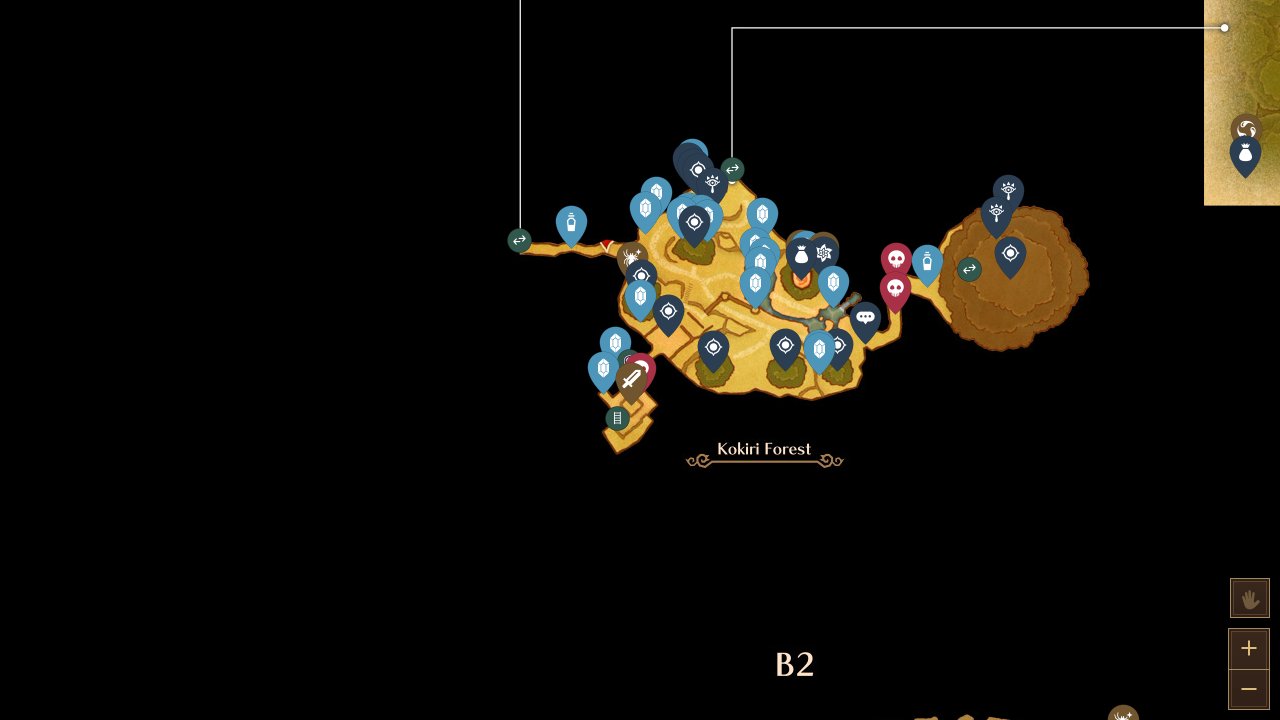
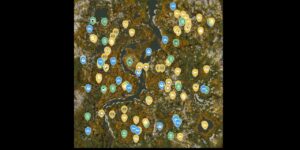
Hyrule is a world that transforms around you. As young Link, you wander sunlit fields, wade through shallow rivers, and peer into the mouth of ancient dungeons. Return as an adult and that same world has aged into something darker, stranger, and far more layered. Keeping track of every secret tucked into those two timelines is where the The Legend Of Zelda Ocarina Of Time Map becomes indispensable – a single interactive resource that spans both the Child Past and Adult Future versions of Hyrule, plotting every collectible, NPC, dungeon entrance, and hidden fairy fountain across the entire game.
Ocarina of Time is deceptively large. Its overworld looks manageable at first glance, but Gold Skulltulas hide in places you’d never think to bomb, Heart Pieces are gated behind minigames with specific time-of-day requirements, and Gossip Stones scattered across Hyrule Field hold clues that only make sense once you know what to listen for. Without a reliable reference, players miss content on their first run, their second run, and sometimes their third. The interactive map resolves that by giving you a filterable, category-rich view of everything the game contains, organized by the era in which each marker appears.
The The Legend Of Zelda Ocarina Of Time Map covers an extensive list of marker categories – from Rupees and Recovery Items to Songs, Bottles, Equipment, and Boss locations – making it equally useful whether you’re chasing 100% completion or just trying to remember where that one Soft Soil spot was before Epona showed up. It’s a practical tool built for a game that rewards thoroughness.
How to Use the The Legend Of Zelda Ocarina Of Time Map
Locations and Exploration
The map organizes Points of Interest, Dungeon Entrances, Fairy Fountains, and Gossip Stones into their own filterable layers. Toggle these on when you’re orienting yourself in a new region or hunting for a dungeon entrance you’ve never unlocked. Fairy Fountains in particular are easy to overlook since several are tucked behind bombable walls or hidden in corners of Zora’s Domain and Death Mountain – having them pinned on the map before you enter an area saves significant backtracking.
Collectibles and Secrets
Gold Skulltulas and Heart Pieces are the backbone of any completionist run, and both have dedicated marker categories that you can isolate and track independently. Soft Soil locations are also marked, which matters for the Gold Skulltula hunt since several spiders only spawn after planting Magic Beans in specific spots during the Child timeline. Use these layers together to plan which areas to sweep before triggering story events that lock out the Child Past permanently.
Loot and Resources
Rupee locations, Item Drops, Recovery Items, and Bottle markers let you plan efficient resource loops without wandering blind. Weapons, Shields, Upgrades, and Equipment are all separately categorized, so you can filter specifically for upgrade opportunities – like finding the Biggest Quiver or the Giant’s Wallet – without sifting through unrelated pins. Compass and Dungeon Map markers inside each dungeon help you understand what’s already been accounted for before you step through the entrance.
Services and NPCs
Shop markers and NPC locations cover the full range of vendors and quest-givers spread across Hyrule. This is especially useful for the Trading Sequence, where specific NPCs need to be found in order across two timelines. Minigame markers round out this category, flagging Bombchu Bowling, the Shooting Galleries, and other timed challenges that award Heart Pieces or unique Items.
Enemies and Bosses
Enemy and Boss markers give you a spatial sense of where combat encounters cluster. This is particularly valuable for farming Item Drops from specific enemy types, or for players who want to review a Boss’s location before committing to a dungeon run. Having Boss markers visible helps you mentally map the dungeon’s endpoint before you even start the first room.
Songs and Progression Markers
Song locations are marked across both timelines, covering every ocarina melody from Saria’s Song to the Sun’s Song. Since Songs gate large portions of exploration – Serenade of Water opens Zora’s Domain access, Prelude of Light warps you to the Temple of Time – knowing their locations upfront lets you sequence your playthrough more deliberately rather than stumbling into them reactively.
What the The Legend Of Zelda Ocarina Of Time Map Can Do
Eliminate Dead-End Exploration
Ocarina of Time’s world is built to reward curiosity, but that design philosophy also means a lot of time spent in areas that have already been exhausted. The interactive map lets you filter active categories and see at a glance which markers in a region you haven’t accounted for yet. If you’ve cleared every Gold Skulltula in Kokiri Forest but missed one Soft Soil node, the map tells you that before you move on – not three hours later when you’re reviewing your Skulltula count.
Coordinate the Child and Adult Timelines
Some content in Hyrule is permanently time-locked. Magic Beans planted as a child grow into platforms you ride as an adult. Certain Soft Soil Skulltulas only appear after planting in the Child timeline. The map’s separation into Child Past and Adult Future regions lets you cross-reference what needs to happen in each era and in what order. Players can review the Child Past map before pulling the Master Sword to make sure nothing critical gets missed.
Accelerate the Gold Skulltula Hunt
There are 100 Gold Skulltulas scattered across Hyrule, and their rewards – including Rupee Wallets, the Giant’s Wallet, and adult Pieces of Heart – are worth chasing. The Gold Skulltula marker layer isolates all 100 locations, letting you tackle them region by region rather than relying on memory or scattered lists. Combined with the Soft Soil layer, you can identify which Skulltulas require Bean platforms or specific nighttime conditions and plan those visits accordingly.
Optimize Heart Piece Collection
The game contains 36 Heart Pieces, and many of them are locked behind Minigames, specific NPCs, Trading Sequence steps, or dungeon-adjacent puzzles. The Heart Piece marker layer, combined with Minigame and NPC filters, gives you a complete picture of every container piece and what it requires. Players chasing maximum health before a specific boss fight can use the map to identify which nearby Heart Pieces are achievable at their current progression point.
Support Weapon and Equipment Routing
Weapons, Shields, Upgrades, Bottles, and Equipment all have their own marker categories, which means you can plan upgrade paths before entering areas. Knowing that the Hylian Shield is purchasable in Kakariko Village – or that a specific Bottle is obtainable during the market sequence – lets you route your early game more efficiently. Players who want to enter the Shadow Temple with the Lens of Truth and a fully upgraded quiver can use the map to confirm they haven’t bypassed any upgrade opportunity.
The Legend Of Zelda Ocarina Of Time Map Overview
A quick reference for the key features of this interactive map.
| Category | Example | Why It Matters |
|---|---|---|
| Gold Skulltula | Skulltula inside the Deku Tree well (Child Past) | Tracking all 100 unlocks Rupee Wallet upgrades and a Heart Piece reward |
| Heart Piece | Piece awarded at the Bombchu Bowling Alley | Maximizing health before late-game bosses requires locating all 36 fragments |
| Soft Soil | Bean plot outside the Sacred Forest Meadow | Planting beans in the Child timeline creates adult platforms and spawns Skulltulas |
| Fairy Fountain | Great Fairy of Magic near Death Mountain Crater | Fairy upgrades provide Farore’s Wind, Nayru’s Love, and expanded magic capacity |
| Song | Serenade of Water taught in the Ice Cavern | Songs control warp access and unlock progression gates across both timelines |
Frequently Asked Questions
What does The Legend Of Zelda Ocarina Of Time Map cover?
The map covers both the Child Past and Adult Future versions of Hyrule, with markers for over 20 categories including Gold Skulltulas, Heart Pieces, Dungeon Entrances, Fairy Fountains, Songs, Bottles, Weapons, Shields, Upgrades, Equipment, NPCs, Shops, Minigames, Enemies, Bosses, Soft Soil locations, Gossip Stones, and more. It represents the full explorable world of Ocarina of Time across both timelines.
How does this map help with completion?
The map lets you filter by specific marker categories – Gold Skulltulas, Heart Pieces, Upgrades, and more – so you can target exactly what you’re missing without searching the entire world blind. It separates Child Past from Adult Future content, which is critical for catching time-locked items before they become inaccessible. Players pursuing 100% completion rely on this structure to avoid missing Soft Soil Skulltulas or Great Fairy upgrades that require specific timeline conditions.
Are collectibles included?
Yes. The map includes dedicated marker categories for Gold Skulltulas, Heart Pieces, Rupees, Items, Bottles, Songs, and more. These cover the full range of collectible content in Ocarina of Time, including missable items tied to Minigames, NPC interactions, and time-sensitive events across both timelines.
Does this map cover progression systems?
The map addresses progression directly through its Song, Upgrade, Equipment, Weapon, Shield, and Bottle categories. Songs control warp points and unlock new areas, while Upgrades and Equipment govern Link’s combat and traversal capabilities throughout the game. Having all of these pinned on a single interactive reference makes it straightforward to plan which upgrades to collect before tackling each dungeon.
Is The Legend Of Zelda Ocarina Of Time Map complete?
The map covers all major marker categories across both playable timelines in Ocarina of Time. It includes locations relevant to exploration, combat, collectible hunting, NPC quests, dungeon progression, and resource management. Whether you’re on a first playthrough or hunting down the last Gold Skulltula for the final reward, the map provides the reference detail needed to finish the job.
Credit: The Legend Of Zelda Ocarina Of Time Map by MapGenie