Minecraft Dungeons II Map
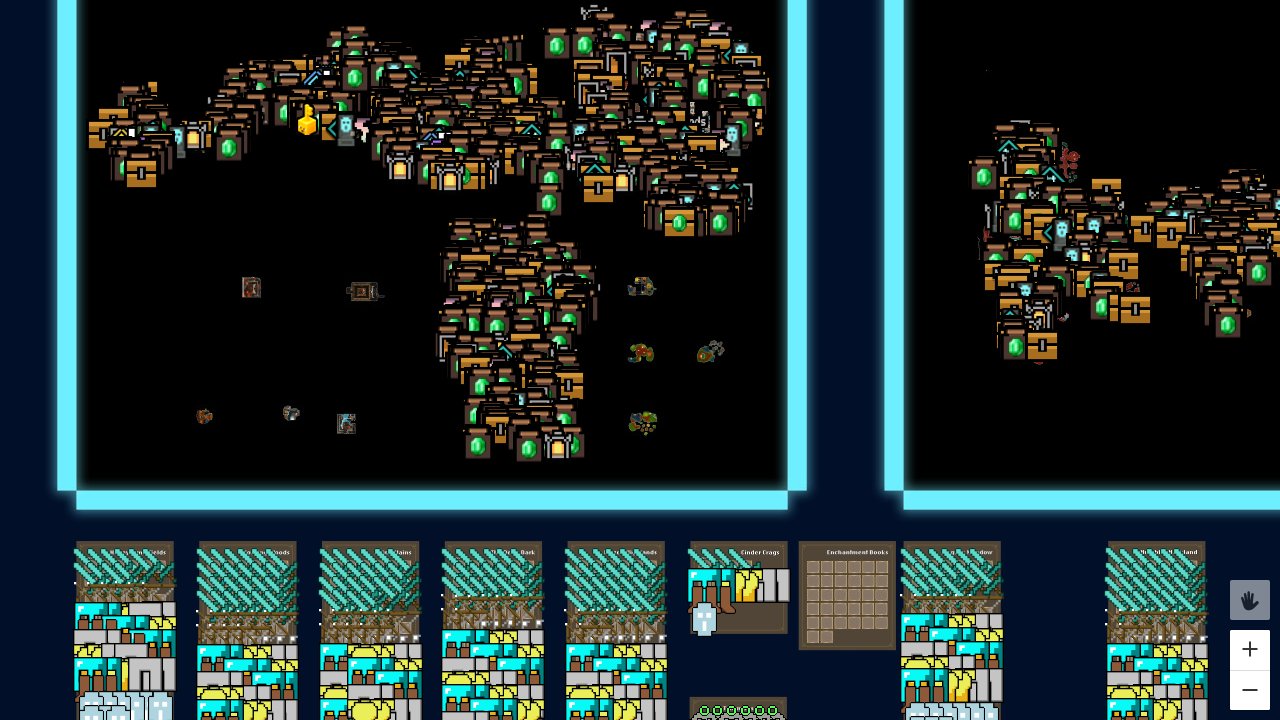
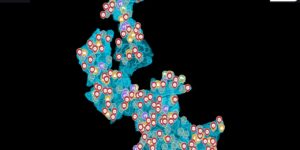
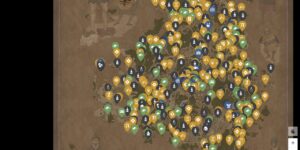
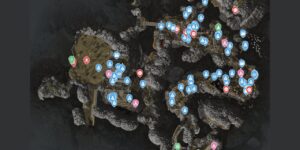
The Minecraft Dungeons II Map on GameMappers.com gives players a full interactive view of the game’s world, tracking every critical marker from dungeon entrances and merchant locations to weapons, armor, and hidden loot. Minecraft Dungeons II builds on its predecessor with denser environments, more complex quest structures, and a wider spread of collectible gear – making a reliable map an essential tool rather than an optional convenience. Whether you’re chasing 100% completion or optimizing a farming route, having every marker pinned and filterable saves hours of blind exploration.
This interactive map covers all four major categories – Locations, Quests, Equipment, and Loot – giving you a single unified view of everything the game world contains. Each marker type is purpose-built to answer a specific gameplay question: Where is the nearest Enchantsmith? Which Core Quests are still outstanding? Where does that Locked Door lead, and do you have the Key? The Minecraft Dungeons II Map answers all of it without requiring you to pause, guess, or consult disconnected wiki pages mid-run.
The map is structured around the single World region that Minecraft Dungeons II uses, meaning every marker you need exists in one cohesive, filterable space. Toggle categories on and off to reduce visual noise, mark individual locations as visited, and build a clear picture of what remains. For a game that rewards thorough exploration and strategic gear planning, this tool is the most direct path to a complete and confident playthrough.
How to Use the Minecraft Dungeons II Map
Locations and Exploration
The Locations category covers the full structural layout of the game world, including Dungeons, Interior Entrances, Minecart Stations, Rifts, and Respawn Beacons. Use these markers to plan your movement through each area, identify fast travel points via Minecart Stations, and locate Rifts that may connect sections of the world you haven’t unlocked yet. Knowing where every Respawn Beacon sits before you push into a difficult dungeon gives you a meaningful tactical edge.
Quests and Objectives
The Quests category separates Core Quests from Side Quests, letting you filter your view depending on whether you’re pushing the main story or hunting optional objectives. Core Quests are marked clearly so you always know the next required step, while Side Quest markers help you identify detours worth taking for gear rewards or lore. Running both layers simultaneously gives you a complete picture of active and available objectives at any point in your session.
Services and Vendors
Enchantsmith and Town Merchant markers fall under the Locations category and represent the game’s primary service infrastructure. Tracking these on the map means you never waste time backtracking to an upgrade station when one sits just off your current path. Keys and Locked Doors are also pinned here, so you can cross-reference which keys you’re carrying against which doors remain sealed nearby.
Equipment and Gear
The Equipment category covers every gear slot – Melee Weapon, Ranged Weapon, Helmet, Chestplate, Leggings, Boots, Artifact, and Talisman. Each marker points to a specific obtainable item in the world, letting you target gear upgrades directly instead of relying on random drops. If you’re building toward a specific loadout, filtering down to the relevant equipment type keeps the map clean and goal-focused.
Loot and Resources
Emerald Pots, Chests, and Random Loot markers fill out the Loot category and represent the game’s currency and reward economy. Emeralds fuel your merchant purchases and enchantment spending, so knowing where every pot clusters in a zone directly improves your economy between runs. Chest markers identify the highest-value stops in any given area, and Random Loot pins round out the picture for players pushing toward full collection.
What the Minecraft Dungeons II Map Can Do
Optimize Routing Through the World
Minecraft Dungeons II rewards efficient movement. Minecart Station and Rift markers on the interactive map let you identify the fastest connective routes between zones before you set foot in them. Planning a path that hits a Respawn Beacon early, swings through a Dungeon for gear, and exits near a Town Merchant cuts dead travel time and keeps your momentum high across a full session.
Build Targeted Gear Loadouts
The Equipment markers transform gear hunting from a passive activity into an active strategy. Filter the map to show only Artifacts and Talismans, for example, and you get a direct list of locations to hit for build-defining items. Players crafting around a specific playstyle – whether melee-heavy, ranged, or utility-focused – can sequence their runs around the exact equipment markers that feed that build.
Track Completion Progress
Every marker on the map can be checked off as you visit or collect it, creating a persistent record of what you’ve done and what remains. This is especially valuable for players targeting full world completion, where missing a single Chest or Side Quest can be nearly impossible to detect without a reference. The map turns a vague completion percentage into a concrete, actionable checklist.
Manage Economy and Farming Routes
Emeralds are the backbone of Minecraft Dungeons II’s progression economy, and Emerald Pot markers make it straightforward to identify the most resource-dense zones in the world. Layer those markers over Chest locations and you have a ready-made farming loop that maximizes currency and gear income per run. Repeat routes become repeatable by design rather than by memory.
Resolve Locked Content Efficiently
Key and Locked Door markers exist as a paired system on the map, letting you match found keys to their corresponding doors without exploring blindly. When you’re deep in a dungeon and discover a Locked Door, the map tells you whether the Key is nearby or requires a detour to another part of the world entirely. That single piece of information prevents wasted time and keeps your session moving forward with purpose.
Minecraft Dungeons II Map Overview
A quick reference for the key features of this interactive map.
| Category | Example | Why It Matters |
|---|---|---|
| Locations | Dungeon, Minecart Station, Respawn Beacon | Structures your world navigation and fast travel planning across the entire map |
| Quests | Core Quest, Side Quest | Keeps main story and optional objectives clearly separated so nothing gets missed |
| Equipment | Artifact, Talisman, Melee Weapon | Enables targeted gear farming for specific builds without relying on random drops |
| Loot | Emerald Pot, Chest, Random Loot | Identifies the highest-value resource stops to maximize economy and collection runs |
| Services | Enchantsmith, Town Merchant | Pins upgrade and purchase points so you always know the nearest progression service |
Frequently Asked Questions
What does the Minecraft Dungeons II Map cover?
The Minecraft Dungeons II Map covers the full game world in a single interactive layer, tracking markers across four categories: Locations, Quests, Equipment, and Loot. This includes Dungeons, Minecart Stations, Rifts, Core and Side Quests, all eight equipment slot types, and every Chest, Emerald Pot, and Random Loot point in the game. Every major point of interest a player needs to track appears on this map.
How does this map help with completion?
Each marker on the map supports a check-off system so you can track exactly what you’ve visited, collected, or completed. Players pursuing 100% completion can filter by category – Loot, Quests, Equipment – and work through remaining markers systematically. This removes the guesswork from completion and replaces it with a concrete, visual checklist tied directly to the game world.
Are collectibles included on the map?
Yes. The Loot category pins every Chest, Emerald Pot, and Random Loot location across the world. The Equipment category adds markers for all obtainable gear items including Artifacts and Talismans, which function as collectible build pieces. Together, these two categories cover everything a completionist needs to hunt down in Minecraft Dungeons II.
Does this map cover progression systems like gear and enchantments?
The map directly supports gear progression by marking the exact locations of every Melee Weapon, Ranged Weapon, Helmet, Chestplate, Leggings, Boots, Artifact, and Talisman in the game. Enchantsmith markers pinpoint where you upgrade gear, and Emerald Pot markers guide your resource farming to keep that economy funded. The map covers every layer of Minecraft Dungeons II’s progression loop.
Is this map complete and up to date?
The map is actively maintained and reflects all currently documented marker data for Minecraft Dungeons II. As new information surfaces from the player community, the map receives updates to keep marker counts and locations accurate. Checking back after major game updates ensures you’re always working from the most current version of the data.
Credit: Minecraft Dungeons II Map by MapGenie