Subnautica 2: All Flora Locations
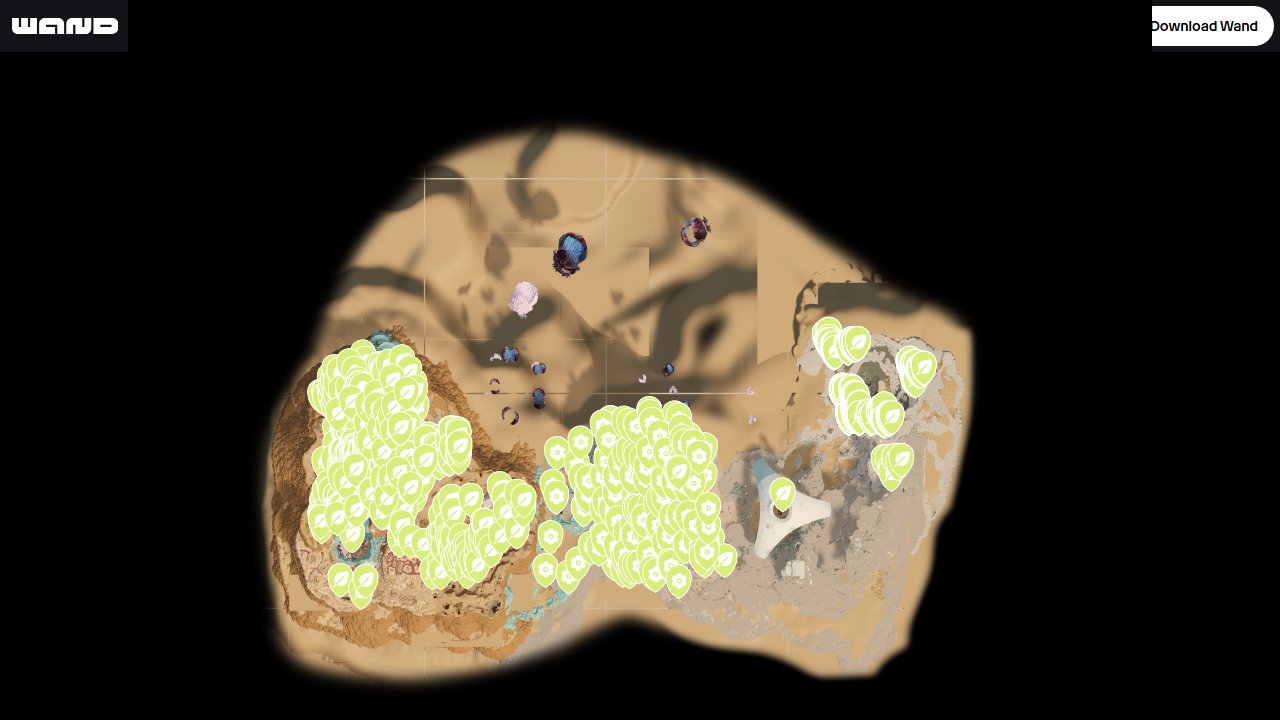
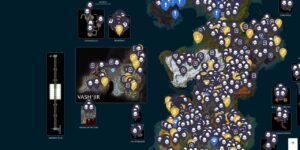
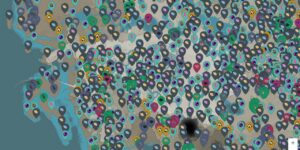
Flora locations in Subnautica 2 serve as critical resources for crafting, survival, and base construction throughout your underwater journey. These plant specimens provide essential materials ranging from basic sustenance to advanced technological components. The Subnautica 2 Interactive Map displays all Flora locations with precise coordinates, helping you plan efficient collection routes across different biomes. Understanding where each plant type grows saves valuable oxygen and time while exploring the ocean depths.

What Flora Are Used For
Flora specimens in Subnautica 2 provide fundamental resources for survival systems, crafting recipes, and base expansion projects.
- Crafting materials for tools, equipment, and vehicle upgrades
- Food sources and nutritional supplements for health management
- Base construction components including decorative elements
- Chemical compounds required for advanced technology research
- Habitat enhancement materials for cultivating sustainable food sources
Flora Types
The underwater ecosystem contains eleven distinct Flora types, each offering unique resources and growing in specific environmental conditions.
Acid Anemone
These dangerous plant formations secrete corrosive substances useful for advanced crafting recipes. Found in deeper biomes, they require careful harvesting due to their acidic properties that can damage equipment.
Angel Comb
Mature Angel Comb specimens provide structural materials and can be processed into various crafting components. These large formations serve as landmarks in certain biomes while offering substantial resource yields.
Angel Comb Core
The central core of Angel Comb formations contains concentrated nutrients and rare compounds. These cores represent the most valuable part of the Angel Comb ecosystem for crafting purposes.
Angel Comb Juvenile
Young Angel Comb growths offer different material properties compared to mature specimens. These smaller formations can be harvested more easily and regrow faster than their adult counterparts.
Cage Gorgon / Cherimoya Rotsac
These dual-classification organisms provide both structural materials and organic compounds. Their unique growth patterns make them valuable for specialized crafting recipes requiring flexible materials.
Cradle Shootroot
Fast-growing plants that produce projectile seeds containing useful chemical compounds. These specimens can be cultivated in bases for renewable resource production.
Eyeball Sponge
Distinctive sponge formations that filter water and concentrate minerals within their tissue. Their unusual appearance makes them easy to identify while diving.
Freesia Plant
Flowering aquatic plants that provide both aesthetic value and practical crafting materials. These specimens can enhance base environments while supplying organic compounds.
Lucifer Rotsac
Bioluminescent organisms that generate light-based energy compounds. Their glowing properties make them visible from significant distances during exploration.
Necrolei Egg (Strong Acid)
Highly corrosive egg-like structures containing powerful acids needed for advanced technology. Handle with appropriate protective equipment due to extreme acidity levels.
Oxygen Plant
Essential flora that generate breathable oxygen bubbles underwater. These plants provide emergency air supplies and can be cultivated near bases for extended diving operations.
How to Use the Map Efficiently
Strategic Flora collection requires understanding biome distributions and planning routes that maximize resource gathering while conserving oxygen and travel time.
- Group nearby Flora locations into single diving expeditions to reduce vehicle fuel consumption
- Prioritize Oxygen Plant locations when exploring new areas for emergency air sources
- Mark dangerous Flora types like Acid Anemone for specialized equipment preparation
- Plan collection routes around base locations and vehicle docking stations
- Target renewable Flora types for base cultivation projects before harvesting wild specimens
- Use depth markers to organize collection runs by diving capability and equipment requirements
Flora Locations Table
Reference guide for Flora types and their primary uses in Subnautica 2.
| Flora Type | Primary Use | Location Notes |
|---|---|---|
| Acid Anemone | Corrosive crafting materials | Deep biomes, handle carefully |
| Angel Comb | Structural components | Large formations, good landmarks |
| Angel Comb Core | Concentrated nutrients | Center of Angel Comb clusters |
| Angel Comb Juvenile | Fast-regenerating materials | Smaller, easier to harvest |
| Cage Gorgon / Cherimoya Rotsac | Flexible crafting materials | Dual-use organism |
| Cradle Shootroot | Chemical compounds | Cultivatable species |
| Eyeball Sponge | Mineral concentrates | Distinctive appearance |
| Freesia Plant | Organic compounds | Base decoration potential |
| Lucifer Rotsac | Light-energy materials | Bioluminescent visibility |
| Necrolei Egg (Strong Acid) | Advanced technology acids | Extremely corrosive |
| Oxygen Plant | Emergency air supply | Essential for exploration |
Tips for Flora Hunting
- Carry appropriate storage containers for different Flora types to avoid inventory management issues
- Bring protective equipment when harvesting acidic specimens like Necrolei Eggs
- Establish small outposts near Flora-rich areas for extended collection sessions
- Document Flora regrowth patterns to establish sustainable harvesting schedules
- Use scanner tools to identify Flora species before approaching potentially dangerous specimens
- Cultivate renewable Flora types in controlled base environments for consistent resource production
FAQs
Which Flora types can be cultivated in bases?
Cradle Shootroot, Freesia Plant, and Oxygen Plant can be successfully cultivated in base environments for renewable resource production.
Do Flora locations respawn after harvesting?
Most Flora specimens regrow over time, with juvenile variants typically respawning faster than mature specimens like full Angel Comb formations.
What equipment is needed for dangerous Flora collection?
Protective gear is essential for acidic Flora types, while standard diving equipment suffices for most other specimens during collection.
Which Flora provides the most valuable crafting materials?
Angel Comb Core and Necrolei Egg specimens typically provide the most valuable compounds for advanced technology crafting recipes.
Credit: Subnautica 2 by Wand