Runescape Dragonwilds: All Material Locations
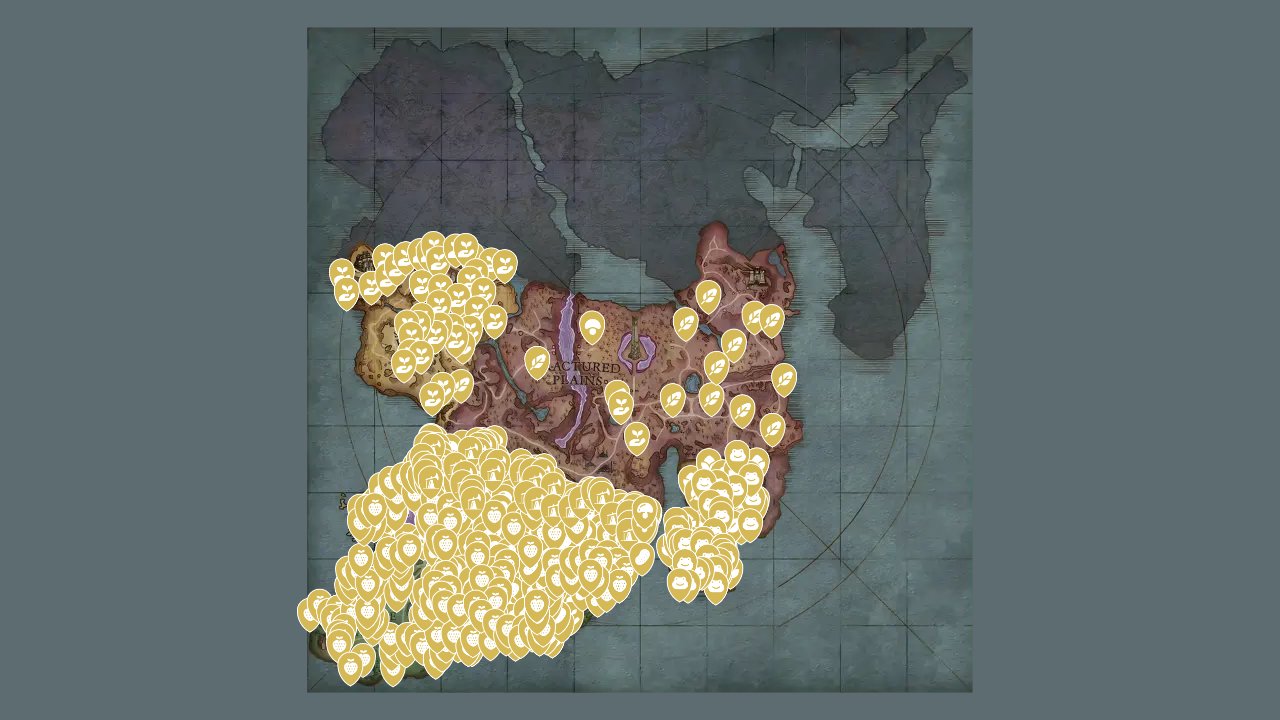
Materials in Runescape Dragonwilds serve as the foundation for crafting, brewing, and character progression throughout your adventure. These essential resources are scattered across the game world, ranging from common herbs to rare magical components that power advanced recipes. The Runescape Dragonwilds Interactive Map filters these locations by type, letting you plan efficient gathering routes based on your current crafting needs. Whether you’re seeking specific herbs for potions or hunting rare bark for equipment upgrades, the filtered view eliminates guesswork and reduces backtracking.

What Materials Are Used For
Materials drive the entire crafting economy in Runescape Dragonwilds, from basic healing potions to endgame equipment enhancement. These resources determine your progression speed and combat effectiveness.
- Brewing potions that restore health, boost stats, and provide temporary abilities
- Crafting equipment upgrades and weapon enhancements
- Trading with NPCs for rare items and quest progression
- Completing collection objectives and achievement requirements
- Fueling magical rituals and spell components
Materials Types
The materials system includes twelve distinct resource types, each with specific applications and rarity levels. Understanding where to find each type streamlines your gathering efforts.
Anima Infused Bark
This magical tree bark carries concentrated life energy essential for high-tier crafting recipes. Found on ancient trees throughout mystical forest areas, it’s required for creating powerful enchantments and rare equipment modifications.
Harralander
A versatile herb commonly used in intermediate-level potions and remedies. Harralander grows in temperate regions and serves as a staple ingredient for stat-boosting brews and poison antidotes.
Mushroom
These fungi appear in damp, shaded areas and provide essential components for various alchemical recipes. Mushrooms often serve as base ingredients for transformation potions and magical food preparations.
Potato
Basic sustenance crops that restore small amounts of health when consumed raw or serve as ingredients in cooking recipes. Potatoes grow near settlements and provide reliable emergency food supplies during exploration.
Snapdragon
A rare flowering plant prized for its potent magical properties in advanced potion brewing. Snapdragon typically grows in hostile environments, making it both valuable and dangerous to harvest.
Swamp Weed
Aquatic vegetation found in marshy territories that’s crucial for water-based magical preparations. This plant often grows near dangerous creatures, requiring careful timing to collect safely.
Bittercap
Poisonous mushrooms that paradoxically serve as key ingredients in antidotes and defensive potions. Bittercap requires proper handling techniques but provides powerful protective brew components.
Flax
Fibrous plant material used primarily in crafting cloth items and basic equipment repairs. Flax grows in open fields and represents one of the most accessible crafting materials for new players.
Marrentil
An uncommon herb with mild magical properties, often used in energy restoration potions and basic enchantments. Marrentil bridges the gap between common and rare herbal ingredients.
Redberry Bush
Berry-producing shrubs that provide both immediate nourishment and brewing components. These bushes often mark safe resting spots and serve as landmarks during wilderness navigation.
Swamp Tar
Viscous substance found in boggy areas that’s essential for creating adhesives and protective coatings. Swamp tar mining locations often contain multiple nodes but may be guarded by territorial creatures.
Toadflax
Specialized herb required for crafting mobility-enhancing potions and movement speed boosters. Toadflax grows in scattered patches and represents a valuable commodity for active adventurers.
How to Use the Map Efficiently
Smart material gathering requires understanding spawn patterns, respawn timers, and regional clustering to maximize your collection efficiency.
- Group nearby material nodes into single gathering runs to minimize travel time
- Check swamp and forest regions first, as they contain the highest concentration of rare materials
- Use fast-travel points as staging areas for systematic area clearing
- Mark nodes that consistently respawn with valuable materials for regular farming routes
- Combine material gathering with quest objectives to accomplish multiple goals simultaneously
- Visit dangerous areas during safer times of day when hostile creatures are less active
Materials Locations Table
Each material type offers distinct benefits and appears in specific environmental zones throughout the Dragonwilds.
| Type | Primary Use | Best Locations |
|---|---|---|
| Anima Infused Bark | High-tier enchantments | Ancient forest groves |
| Harralander | Stat-boosting potions | Temperate grasslands |
| Mushroom | Transformation brews | Cave entrances and dark areas |
| Potato | Basic food and cooking | Farmland near settlements |
| Snapdragon | Advanced magical potions | Volcanic and hostile regions |
| Swamp Weed | Water-based magic | Marshes and wetlands |
| Bittercap | Antidotes and defenses | Poisonous swamp areas |
| Flax | Cloth crafting and repairs | Open plains and fields |
| Marrentil | Energy restoration | Hillsides and elevated areas |
| Redberry Bush | Food and brewing | Safe zones and clearings |
| Swamp Tar | Adhesives and coatings | Deep bog locations |
| Toadflax | Mobility enhancement | Scattered forest patches |
Tips for Materials Hunting
- Carry extra inventory space before starting material runs, as nodes often yield bonus quantities
- Learn the visual differences between material types to avoid confusion in dense gathering areas
- Time your visits to dangerous areas when you have healing items and combat preparation
- Note which materials share spawn regions to create efficient multi-resource gathering loops
- Keep track of respawn timers for rare materials to optimize return visits
- Bring appropriate tools if certain materials require specific harvesting equipment
FAQs
Do materials respawn in Runescape Dragonwilds?
Yes, all material nodes respawn after a set timer, though rare materials like Snapdragon and Anima Infused Bark have longer respawn periods than common resources.
Which materials are most valuable for trading?
Snapdragon, Anima Infused Bark, and Toadflax command the highest trading values due to their rarity and importance in advanced crafting recipes.
Can I gather materials in dangerous areas safely?
Use stealth approaches, bring combat supplies, and plan escape routes before entering hostile territories where rare materials spawn.
Are there prerequisites for harvesting certain materials?
Some high-tier materials require specific harvesting skills or tools, while basic resources like Potato and Flax can be gathered immediately.
Credit: Runescape Dragonwilds by Wand