All Wildlife Locations: Myth Of Empires Guide
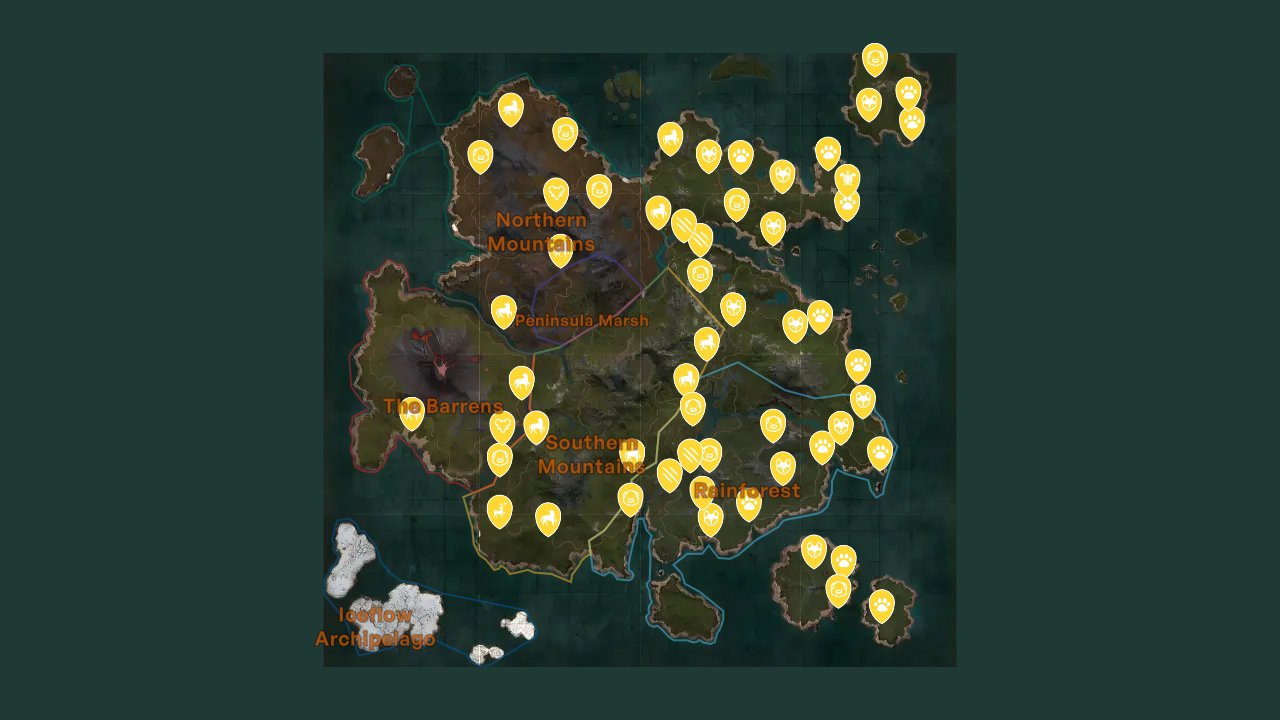
Wildlife in Myth Of Empires represents one of the most critical survival elements, providing essential resources for food, crafting materials, and trade goods. These creature habitats are scattered across the game world, each offering unique hunting opportunities and valuable drops that fuel your empire’s growth. The Myth Of Empires Interactive Map helps you locate specific animal habitats efficiently, allowing you to plan hunting routes based on your current needs. Whether you’re seeking leather for armor crafting or meat for sustaining your settlement, knowing where each species congregates saves valuable time and resources.

What Wildlife Are Used For
Wildlife serves as the backbone of Myth Of Empires’ resource economy, providing materials essential for survival, crafting, and settlement development.
- Food production through meat harvesting for personal consumption and feeding NPCs
- Leather and hide collection for armor crafting and construction materials
- Bone gathering for tool creation and decorative items
- Trading valuable animal products with other players and merchants
- Taming certain species to serve as mounts or pack animals
Wildlife Types
The map tracks eight distinct habitat types, each supporting different animal species with unique resource drops and behavioral patterns.
Rabbit Habitat
These small creature areas provide reliable sources of meat and fur for early-game survival needs. Rabbits are abundant and easy to hunt, making their habitats perfect for new players establishing food security.Fox Habitat
Fox territories offer valuable fur pelts prized for their quality in crafting applications. These cunning creatures require more skill to hunt but reward players with superior materials for advanced gear creation.Boar Habitat
Wild boar areas contain aggressive but rewarding targets that provide substantial meat yields and tough hides. These locations require combat preparation but offer excellent returns for feeding large settlements.Crocodile Habitat
Crocodile territories along waterways house dangerous predators that drop premium leather and meat. These reptiles present significant combat challenges but provide some of the game’s finest crafting materials.Deer Habitat
Deer grazing areas offer balanced hunting opportunities with good meat yields and quality hides. These peaceful creatures provide steady resource income without the dangers associated with predator hunting.Wolf Habitat
Wolf pack territories contain formidable predators that yield exceptional fur and meat when defeated. These locations demand strong weapons and tactical awareness due to pack hunting behavior.Sea Turtle Habitat
Coastal turtle nesting grounds provide unique marine resources including turtle shells and specialized meat types. These aquatic creatures offer materials unavailable from terrestrial wildlife.Elephant Habitat
Elephant territories house the game’s largest land animals, providing massive resource yields including ivory and substantial meat quantities. These majestic creatures require coordinated hunting efforts but offer unparalleled material rewards.How to Use the Map Efficiently
Planning hunting expeditions requires understanding habitat distribution and creature behavior patterns to maximize resource collection while minimizing travel time.
- Identify clusters of similar habitats to create efficient hunting circuits
- Plan routes connecting multiple habitat types to diversify resource gathering
- Use nearby fast-travel points to reduce walking distances between hunting grounds
- Target habitats based on current crafting project requirements
- Consider seasonal patterns that affect animal spawn rates in different areas
- Mark dangerous predator habitats for group hunting expeditions
Wildlife Locations Table
Reference guide for habitat types and their primary resource yields.
| Type | What You Get | Notable Detail |
|---|---|---|
| Rabbit Habitat | Basic meat, common fur | Easy hunting for beginners |
| Fox Habitat | Quality fur, lean meat | Requires stealth approach |
| Boar Habitat | Large meat portions, tough hide | Aggressive when threatened |
| Crocodile Habitat | Premium leather, reptile meat | Found near water sources |
| Deer Habitat | Balanced meat, standard hide | Peaceful grazing herds |
| Wolf Habitat | Exceptional fur, pack meat | Hunts in coordinated groups |
| Sea Turtle Habitat | Turtle shells, marine meat | Coastal and beach locations |
| Elephant Habitat | Ivory tusks, massive meat yields | Requires team coordination |
Tips for Wildlife Hunting
- Bring appropriate weapons for each target species, considering their size and aggression levels
- Hunt during optimal times when animals are most active and visible
- Carry sufficient storage capacity to collect all valuable materials from successful hunts
- Study animal movement patterns to predict optimal ambush positions
- Coordinate with teammates for dangerous predator hunts to ensure safety and success
- Establish hunting camps near rich habitat clusters to reduce travel overhead
FAQs
Which wildlife habitats are safest for new players?
Rabbit and deer habitats offer the safest hunting experiences for beginners, providing essential resources without significant combat risks.
Do animals respawn in their habitats?
Yes, wildlife respawns in designated habitat areas after certain time intervals, ensuring renewable resource availability for hunting.
Can all wildlife species be tamed?
Not all species are tameable. Elephants and certain other creatures can be tamed for transportation, while predators like wolves and crocodiles are primarily hunted for resources.
What’s the most valuable wildlife for trading?
Elephant ivory and premium crocodile leather typically command the highest trading values due to their rarity and crafting applications.
Credit: Myth Of Empires by Wand