All Spawn Point Locations in The Forest
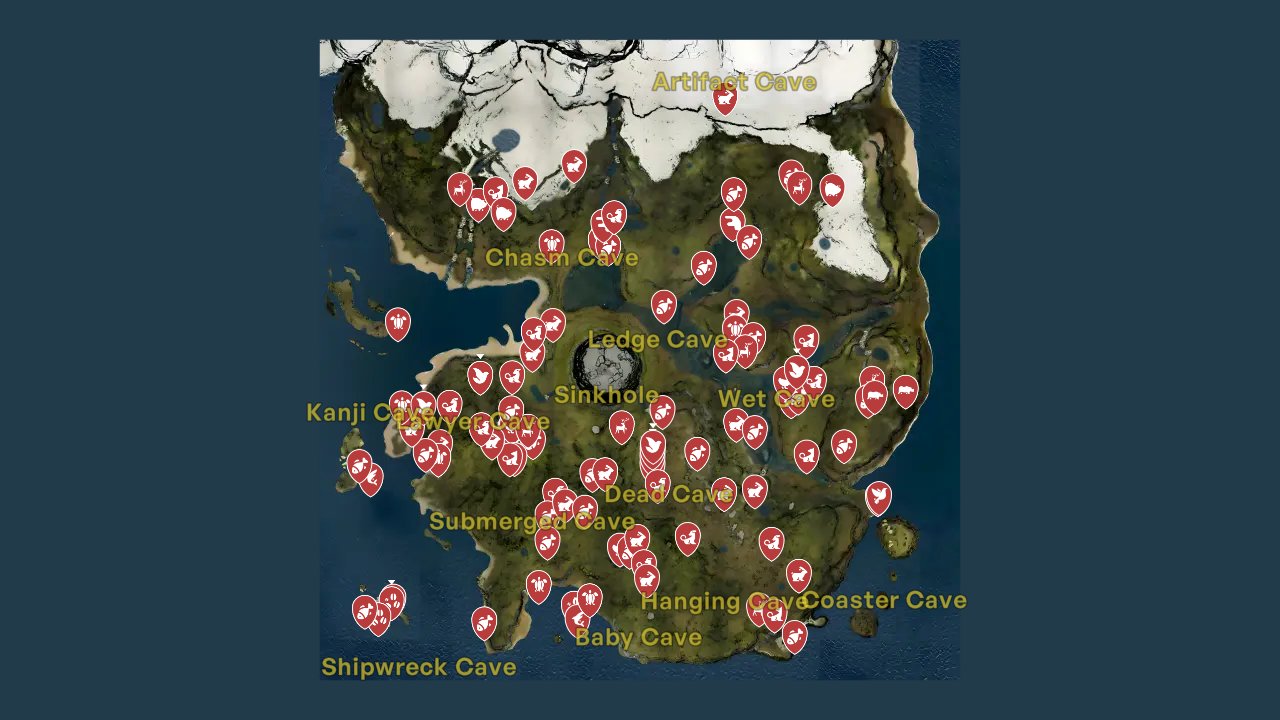
Spawn Points in The Forest mark the specific locations where animals and creatures consistently appear throughout the game world. Understanding these spawning patterns is essential for efficient hunting, resource gathering, and survival planning in this challenging wilderness survival game.
The Forest Interactive Map provides a comprehensive overview of all creature spawn locations, allowing you to plan hunting routes and anticipate wildlife encounters. By filtering to show only spawn points, you can optimize your food gathering strategies and avoid dangerous predator areas when necessary.

What Spawn Points Are Used For
Spawn Points determine where you’ll encounter specific animals for hunting, food collection, and resource gathering. These locations are crucial for maintaining your character’s health and crafting materials throughout your survival journey.
- Hunting animals for meat to maintain your hunger and health levels
- Collecting animal skins and bones for crafting weapons and clothing
- Gathering seafood and freshwater fish for diverse food sources
- Avoiding dangerous predator spawns when exploring new areas
- Planning efficient hunting routes to maximize resource collection
Spawn Points Types
The Forest features diverse wildlife spawn locations across land, air, and water environments. Each creature type has specific habitat preferences and spawning patterns that affect when and where you’ll encounter them.
Bats
Bats spawn primarily in cave systems throughout the underground network. These flying creatures provide small amounts of meat when caught but can be challenging to hunt due to their erratic flight patterns and dark cave environments.
Boars
Boars are aggressive land animals that spawn in forested areas and clearings. They provide substantial meat and valuable animal skins for crafting, but will charge at players when threatened, making them dangerous prey.
Crocodiles
Crocodiles spawn in specific swamp and water areas, particularly around the southern regions of the map. These dangerous predators yield large amounts of meat and tough hide, but pose significant combat challenges.
Deers
Deers spawn throughout forested areas and are among the most valuable hunting targets. They provide excellent meat yields and valuable pelts for crafting, though they’re easily startled and will flee when approached.
Fishes
Fishes spawn in lakes, rivers, and coastal waters across the island. They represent a reliable protein source that can be caught using crafted spears or fish traps near water bodies.
Goose
Geese spawn near water bodies and beaches, offering both meat and feathers for crafting arrows. They’re typically found in small flocks and will take flight when disturbed.
Lizards
Lizards spawn on rocks, logs, and sunny areas throughout the forest. While small, they provide easy-to-catch protein and are particularly valuable for players just starting their survival journey.
Rabbits
Rabbits spawn in grassy areas and forest clearings, providing quick sources of meat and fur. They’re fast and require careful stalking or trap placement to catch successfully.
Raccoons
Raccoons spawn near water sources and campsites. These nocturnal creatures provide moderate amounts of meat and pelts, and are often easier to catch during nighttime hours.
Turtles
Turtles spawn on beaches and in shallow coastal waters. They move slowly, making them easy targets, and provide both meat and valuable turtle shells used for water collection and storage.
Seagulls
Seagulls spawn along coastlines and beaches throughout the island. These birds provide meat and feathers but require ranged weapons or careful timing to hunt successfully.
Sharks
Sharks spawn in deeper ocean waters around the island’s perimeter. While extremely dangerous to hunt, they provide large quantities of meat for players brave enough to attempt underwater combat.
Squirrels
Squirrels spawn in trees throughout forested areas. These small creatures provide minimal meat but are relatively easy to catch with thrown spears or rocks.
Oyster
Oysters spawn attached to rocks in shallow coastal waters and tidal pools. They provide a steady source of food that regenerates over time, making them valuable for sustainable nutrition.
How to Use the Map Efficiently
Planning your hunting routes around known spawn points maximizes your food gathering efficiency while minimizing dangerous encounters with cannibals and mutants.
- Focus on coastal areas first for easy turtle and oyster collection near your initial spawn location
- Plan hunting circuits that connect multiple deer spawn points in forested areas for maximum meat yield
- Mark dangerous predator spawns like crocodiles and sharks to avoid them during exploration
- Use water source spawn points to combine fishing with freshwater collection trips
- Time your visits to nocturnal creature spawns like raccoons during appropriate day/night cycles
- Build temporary shelters near high-value hunting areas to reduce travel time between spawn points
Spawn Points Locations Table
Each creature type offers different hunting challenges and resource rewards for survival planning.
| Type | What You Get | Notable Detail |
|---|---|---|
| Bats | Small meat portions | Found only in cave systems |
| Boars | Large meat, tough hide | Aggressive and will charge players |
| Crocodiles | Premium meat, crocodile skin | Extremely dangerous swamp predators |
| Deers | Excellent meat, quality pelts | Easily startled, flee when approached |
| Fishes | Reliable protein source | Caught with spears or fish traps |
| Goose | Meat and arrow feathers | Found in flocks near water |
| Lizards | Easy beginner protein | Sunbathe on rocks and logs |
| Rabbits | Quick meat and fur | Fast-moving, require traps or stealth |
| Raccoons | Moderate meat and pelts | More active during nighttime |
| Turtles | Meat and water-storing shells | Slow-moving beach dwellers |
| Seagulls | Meat and crafting feathers | Require ranged weapons to hunt |
| Sharks | Large meat quantities | Dangerous deep water predators |
| Squirrels | Minimal meat portions | Tree-dwelling, caught with projectiles |
| Oyster | Sustainable food source | Regenerate over time in tidal areas |
Tips for Spawn Points Hunting
- Craft multiple spears before hunting trips since they break easily and animals often flee when missed
- Build drying racks near productive hunting areas to preserve large meat hauls for extended storage
- Hunt during early morning hours when most animals are active and visibility is good
- Approach deer and rabbits while crouched and moving slowly to avoid spooking them into fleeing
- Use the crafted bow for hunting birds and small game that are difficult to hit with thrown spears
- Always cook meat immediately after hunting to prevent spoilage and maximize nutritional benefits
FAQs
Do animals respawn at the same Spawn Points after being killed?
Yes, animals will respawn at their designated spawn points after a certain amount of in-game time passes. The respawn timer varies by creature type, with smaller animals like rabbits and lizards respawning faster than larger game like deer and boars.
Which Spawn Points provide the most efficient food sources for beginners?
Turtle and oyster spawn points along beaches offer the safest and most reliable food sources for new players. Turtles are slow and easy to catch, while oysters regenerate over time and require no hunting skills to collect.
Are there seasonal or time-based changes to animal Spawn Points?
Some creatures like raccoons are more active during nighttime hours, but spawn points themselves remain consistent. Weather conditions may affect animal behavior, but the actual spawning locations don’t change based on seasons or time of day.
Do cannibals and mutants affect animal Spawn Points?
Cannibal and mutant presence can temporarily scare away some animals from their usual spawn areas. However, once the threats leave the area, animals will typically return to their normal spawning patterns within a day cycle.
Credit: The Forest by Wand