All Resource Locations: Humanitz Guide
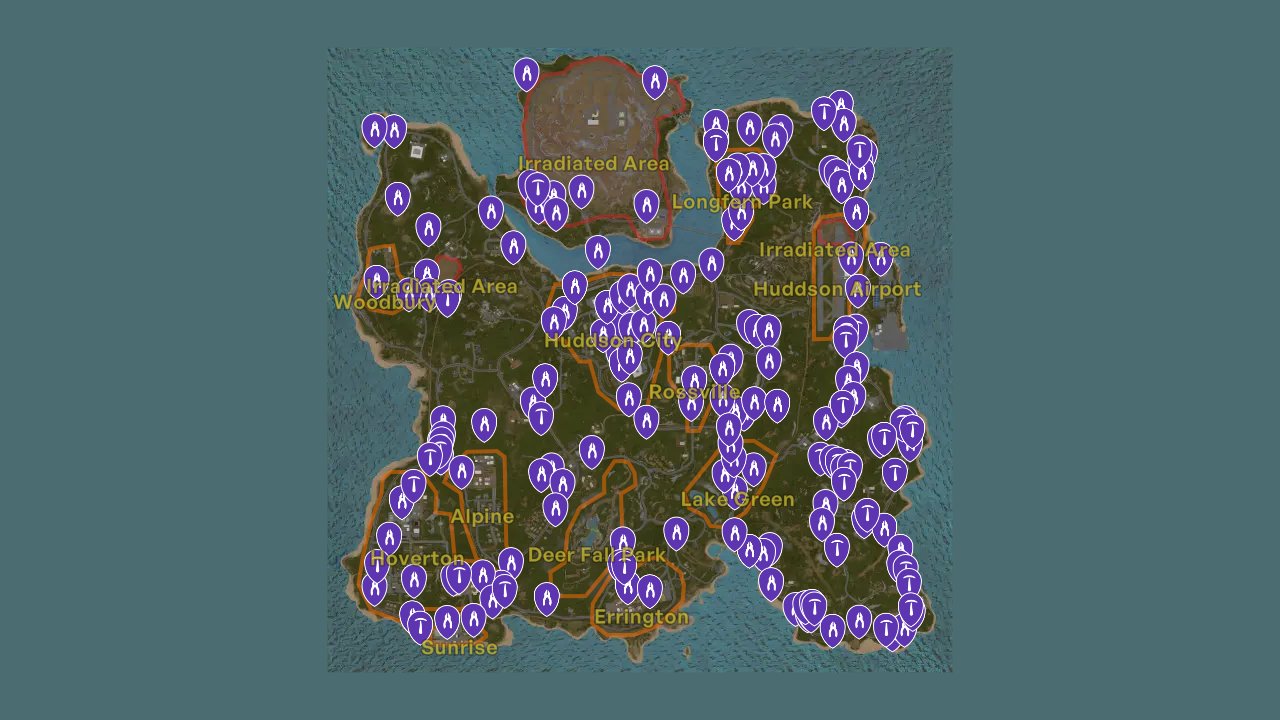
Resources in Humanitz form the backbone of your survival strategy, providing essential materials needed for crafting, building, and progression throughout the harsh post-apocalyptic world. The Humanitz Interactive Map with Resources filtering helps you locate these crucial gathering points efficiently, saving valuable time that would otherwise be spent wandering aimlessly through dangerous territories.
Each resource type serves specific crafting recipes and construction projects, making strategic collection routes essential for maintaining your base and equipment. Planning your resource runs using the filtered map ensures you never run short of critical materials when you need them most.

What Resources Are Used For
Resources power every aspect of base building, equipment crafting, and survival mechanics in Humanitz. Without a steady supply of materials, your progress stalls and your chances of long-term survival diminish significantly.
- Constructing and upgrading shelter walls, floors, and defensive structures
- Crafting weapons, tools, and protective gear to survive hostile encounters
- Building workbenches, storage containers, and other essential base facilities
- Repairing damaged equipment and maintaining your gear’s effectiveness
- Creating consumable items like bandages, food, and utility items
Resources Types
The map organizes resource locations into four distinct categories, each representing different material types with unique applications in crafting and construction systems.
Scrap and Sheet Metal
These metallic resources serve as primary components for advanced crafting projects and structural reinforcements. Scrap metal appears in abandoned vehicles and industrial sites, while sheet metal typically comes from larger structures and construction areas. Both materials prove essential for creating durable weapons, armor pieces, and reinforced base defenses.
Logs and Wood
Wood-based materials form the foundation of most early-game construction projects and remain relevant throughout your progression. Logs provide substantial building material for larger structures, while processed wood offers more refined crafting options. These resources concentrate heavily in forested areas and around abandoned lumber operations.
Fiber and Sticks
Organic materials like fiber and sticks enable the creation of basic tools, binding materials, and survival equipment. Fiber works particularly well for clothing repairs and rope crafting, while sticks serve as handles for tools and components in makeshift weapons. Both resources regenerate naturally in wilderness areas over time.
Rocks and Ores
Stone and mineral resources unlock specialized crafting recipes and provide materials for advanced construction techniques. Rocks offer basic building blocks for foundations and walls, while ores contain valuable metals for high-tier equipment. Mining locations and rocky outcrops yield the highest concentrations of these materials.
How to Use the Map Efficiently
Effective resource gathering requires strategic planning to minimize travel time while maximizing material yields across different terrain types.
- Plan circular routes that hit multiple resource types in a single expedition
- Prioritize areas near fast-travel points to reduce backtracking with heavy loads
- Focus on industrial zones for metal resources and wilderness areas for organic materials
- Check resource respawn timers and revisit depleted locations after cooldown periods
- Bring appropriate tools for different resource types to maximize gathering efficiency
- Scout dangerous areas during daylight hours when visibility and safety improve
Resources Locations Table
Each resource type concentrates in specific environment types with distinct characteristics and yield patterns.
| Type | Primary Locations | Best Uses |
|---|---|---|
| Scrap and Sheet Metal | Industrial zones, vehicle graveyards | Advanced weapons, base reinforcement |
| Logs and Wood | Forest areas, abandoned lumber sites | Basic construction, tool handles |
| Fiber and Sticks | Wilderness, overgrown areas | Rope, bindings, simple tools |
| Rocks and Ores | Mountain regions, mining sites | Foundations, high-tier equipment |
Tips for Resources Hunting
- Carry multiple tool types to efficiently harvest different resource categories in one trip
- Mark dangerous resource locations and return during safer time periods
- Establish supply caches near rich resource areas to store materials temporarily
- Focus on renewable resources like fiber and sticks for sustainable long-term gathering
- Combine resource runs with other objectives like exploration or quest completion
- Monitor your carrying capacity and prioritize high-value materials when weight becomes an issue
FAQs
Do resources respawn in Humanitz?
Most resource nodes respawn after a set cooldown period, typically ranging from several in-game hours to a full day cycle depending on the resource type and location.
Which resources should I prioritize early in the game?
Focus on wood and fiber initially for basic shelter and tools, then transition to scrap metal and rocks as you progress toward more advanced crafting recipes and base improvements.
Are certain areas better for specific resource types?
Yes, industrial areas concentrate metal resources, forests provide abundant wood and organic materials, while mountainous regions offer the best stone and ore deposits.
Can I carry unlimited resources?
No, Humanitz implements a weight-based inventory system that limits how much you can carry, making strategic resource selection and multiple trips necessary for large gathering operations.
Credit: Humanitz by Wand