All Locations: The Witcher 3 Guide
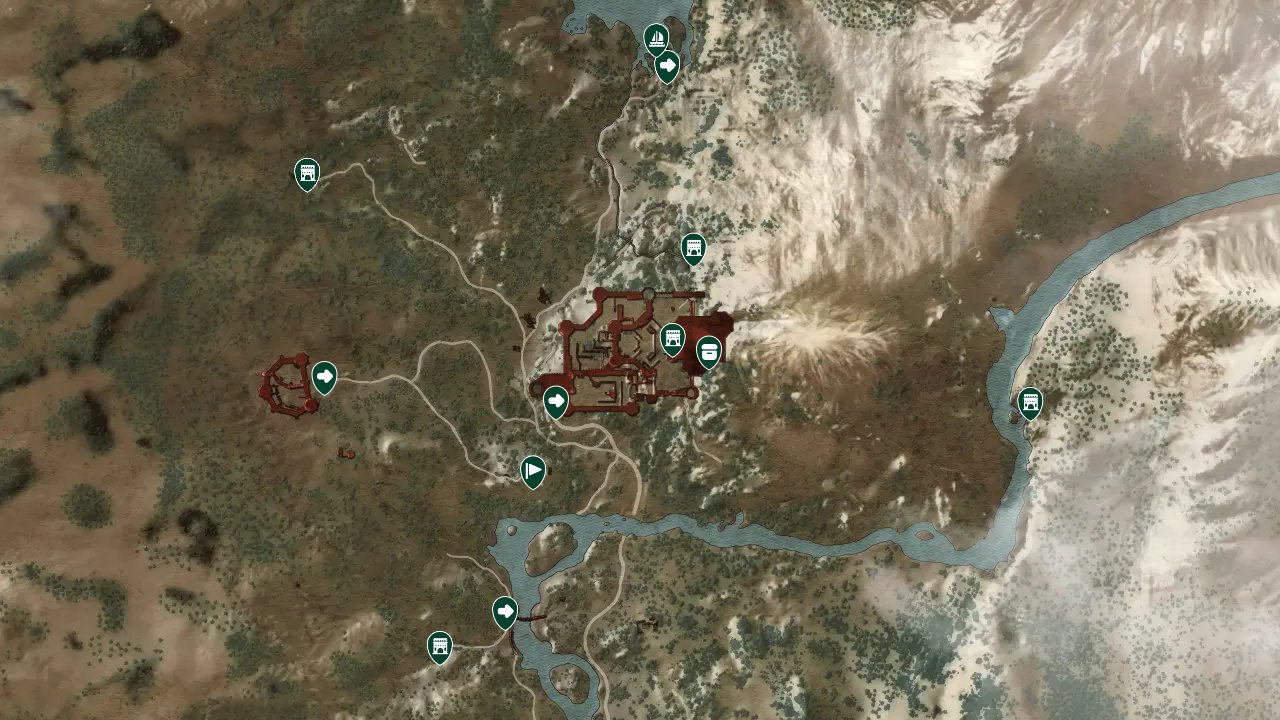
Every Location marker in The Witcher 3 represents a discoverable point that contributes to your exploration progress and rewards. The Witcher 3 Interactive Map consolidates all location types into a single filterable view, making it easier to track your discoveries across the vast Northern Kingdoms. This comprehensive location system spans everything from major fast-travel points to hidden treasure caches scattered throughout Velen, Novigrad, and Skellige. Planning efficient routes between these markers saves hours of backtracking while ensuring you don’t miss valuable rewards or story content.
What Location Are Used For
Location markers serve as the backbone of exploration progression, providing fast-travel access, quest initiation points, and resource gathering opportunities throughout your journey.
- Unlock fast-travel network through signposts and harbors
- Gain experience points and ability upgrades from Places of Power
- Collect rare crafting materials and coin from treasure sites
- Access side quests and contracts through notice boards
- Track completion percentage for each region
Location Types
The Witcher 3 features 25 distinct location marker types, each serving specific gameplay functions from navigation to resource collection and quest access.
Point of Interest
General landmarks that often contain loot, readable materials, or environmental storytelling elements. These scattered locations help fill in map completion while providing minor rewards and world-building context.Entrance
Cave openings, building doorways, and underground passages that lead to interior areas. Many connect to larger dungeon systems or contain unique encounters not visible from the surface world.Guarded Treasure
Valuable loot containers protected by monsters or environmental hazards. These locations typically reward high-quality weapons, armor, or crafting diagrams worth the combat challenge.Harbor
Coastal fast-travel points that enable boat transportation between islands and mainland regions. Essential for navigating Skellige’s archipelago and accessing water-locked content areas.Place of Power
Ancient stone circles that grant ability points when activated, permanently strengthening Geralt’s capabilities. Each location provides one ability point and temporary sign intensity bonuses.Signpost
Primary fast-travel network nodes scattered throughout each region. Discovering these markers enables instant transportation and serves as reference points for quest navigation.Stash
Storage containers where you can deposit excess inventory items. These locations provide inventory management solutions during extended exploration sessions away from merchants.Boat
Watercraft spawn points for maritime exploration and transportation. Boats enable access to offshore smuggler caches and small islands throughout the game world.Abandoned Site
Former settlements overtaken by monsters that can be cleared and restored. Completing these locations often unlocks merchants or services while providing substantial experience rewards.Bandit Camp
Hostile human settlements containing multiple enemies and valuable loot containers. These combat encounters typically reward weapons, armor, and crowns from defeated bandits.Contract
Witcher job postings that initiate monster hunting quests with substantial coin rewards. These locations connect to multi-stage questlines involving investigation, preparation, and boss combat.Magic Lamp
Enchanted light sources found in dark areas like caves and ruins. Activating these permanent fixtures illuminates surrounding areas and often reveals hidden passages or treasure.Monster Den
Underground lairs housing dangerous creatures and valuable rewards. These locations typically require combat preparation and offer rare crafting materials or equipment upgrades.Monster Nest
Surface-level creature spawn points that can be destroyed using bombs. Clearing these locations prevents monster respawning while yielding alchemy ingredients and experience points.Notice Board
Community bulletin points that reveal nearby points of interest and provide context for local problems. Examining these boards automatically marks surrounding locations on your map.Person in Distress
NPCs requiring immediate assistance, often leading to combat encounters or escort missions. These locations provide experience rewards and sometimes unlock additional quest content.Smuggler’s Cache
Hidden underwater treasure containers accessible by boat or diving. These locations contain valuable trade goods, crafting materials, and equipment scattered across coastal waters.Spoils of War
Battlefield remnants containing weapons, armor, and loot from past conflicts. These locations reflect the ongoing war’s impact while providing practical equipment upgrades.Vintner’s Contract
Wine estate locations in Toussaint requiring clearing of hostile forces. Completing these contracts unlocks unique rewards and contributes to the duchy’s restoration efforts.Knight Errant in Distress
Toussaint-specific encounters featuring knights requiring assistance against overwhelming odds. These chivalric encounters provide experience and often connect to the region’s honor-based culture.Lebioda Monument
Religious shrines dedicated to the prophet Lebioda, found throughout Oxenfurt and surrounding areas. These markers provide lore context and sometimes contain offerings or prayers.Portal
Magical transportation devices that enable instant travel between distant locations. These rare markers typically connect to major story areas or provide shortcuts through dangerous terrain.Vineyard Infestation
Toussaint wine estates overrun by monsters that require clearing for restoration. These locations combine combat challenges with the duchy’s wine-making industry theme.Hanse Base
Large bandit strongholds in Toussaint featuring multiple enemies and substantial rewards. These end-game locations provide challenging combat encounters with unique equipment and materials.Signal Fire
Beacon points that can be lit to reveal surrounding areas or trigger specific events. These strategic locations often serve navigation purposes or connect to larger questlines.How to Use the Map Efficiently
Effective location hunting requires systematic regional coverage combined with quest-driven exploration to maximize travel efficiency and reward collection.
- Clear each region systematically before moving to new areas to minimize fast-travel costs
- Prioritize signposts and harbors first to establish your transportation network
- Combine multiple location types in single trips, especially when clearing bandit camps near smuggler caches
- Use notice boards to auto-discover surrounding points of interest before manual searching
- Save Places of Power for moments when you have skill points to spend immediately
- Group underwater smuggler caches together and bring appropriate potions for extended diving
Location Locations Table
Reference guide for all location marker types and their specific rewards in The Witcher 3.
| Type | What You Get | Notable Detail |
|---|---|---|
| Point of Interest | Minor loot, readable materials | Provides world-building context |
| Entrance | Access to interior areas | Often leads to larger dungeons |
| Guarded Treasure | High-quality equipment, diagrams | Requires combat encounters |
| Harbor | Fast-travel access by boat | Essential for Skellige navigation |
| Place of Power | Ability points, sign bonuses | Permanent character upgrades |
| Signpost | Fast-travel network access | Primary transportation hubs |
| Stash | Inventory storage space | Shared across all stash locations |
| Boat | Maritime transportation | Enables offshore exploration |
| Abandoned Site | Experience, restored services | Can unlock merchants |
| Bandit Camp | Weapons, armor, crowns | Multiple enemy encounters |
| Contract | Substantial coin rewards | Multi-stage monster hunts |
| Magic Lamp | Area illumination | Reveals hidden passages |
| Monster Den | Rare crafting materials | Underground lairs |
| Monster Nest | Alchemy ingredients | Destroyable with bombs |
| Notice Board | Map reveals, quest context | Auto-marks nearby locations |
| Person in Distress | Experience, potential quests | Immediate assistance required |
| Smuggler’s Cache | Trade goods, materials | Underwater treasure containers |
| Spoils of War | Military equipment | Battlefield remnants |
| Vintner’s Contract | Unique Toussaint rewards | Wine estate restoration |
| Knight Errant in Distress | Experience, honor themes | Toussaint chivalric encounters |
| Lebioda Monument | Religious lore, offerings | Prophet-dedicated shrines |
| Portal | Instant long-distance travel | Magical transportation |
| Vineyard Infestation | Combat rewards, restoration | Monster-cleared wine estates |
| Hanse Base | End-game equipment | Large bandit strongholds |
| Signal Fire | Area revelation, events | Beacon activation points |
Tips for Location Hunting
- Use Roach’s enhanced senses to highlight nearby interactive objects and hidden entrances
- Check your bestiary before approaching monster dens to prepare appropriate oils and bombs
- Carry boat repair kits when exploring smuggler caches to avoid swimming back to shore
- Save before attempting guarded treasure locations in case the loot disappoints
- Visit abandoned sites during daylight hours when possible for better visibility during combat
- Keep Cat potions handy for exploring dark caves and underground monster dens
FAQs
Do all locations contribute to map completion percentage?
Most location types count toward regional completion, but some like Person in Distress or Contract markers only contribute after completing their associated quests.
Can you revisit cleared locations for additional rewards?
Most containers and treasure locations do not respawn loot, but some monster nests and bandit camps may repopulate with enemies after extended time periods.
Are there level requirements for accessing certain location types?
While you can physically reach most locations, some guarded treasures and monster dens contain high-level enemies that make them impractical for low-level characters.
Do DLC areas add new location marker types?
Blood and Wine introduces several Toussaint-specific markers like Vintner’s Contracts and Hanse Bases, while Hearts of Stone primarily uses existing location types in new areas.
Credit: The Witcher 3 by Wand