All Locations: Marathon Guide
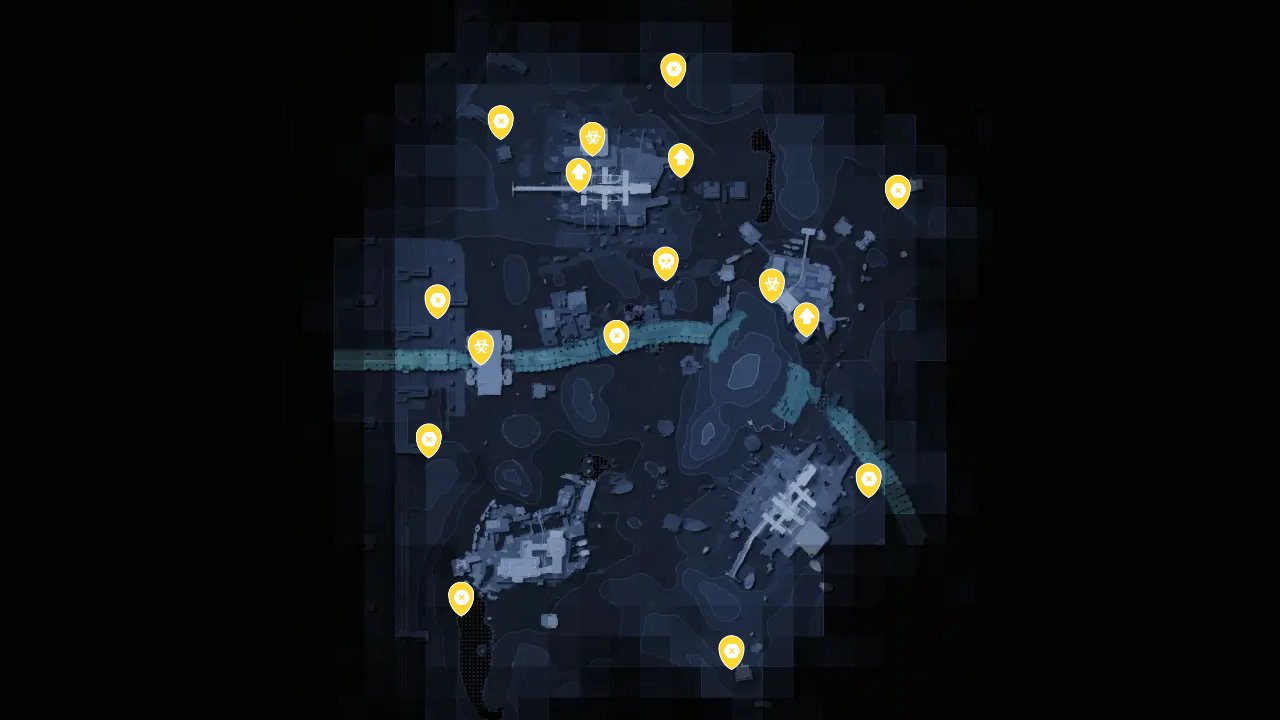
Location markers in Marathon provide essential navigation points and strategic waypoints throughout the space station environment. Understanding where these critical areas sit helps you plan efficient routes between objectives and avoid getting lost in the labyrinthine corridors.
The Marathon Interactive Map filters these location types so you can focus on specific navigation goals, whether you’re seeking safe extraction points, tracking down restricted areas, or mapping out spawn locations for tactical planning.

What Location Are Used For
Location markers serve as fundamental waypoints that structure your movement and tactical decisions throughout Marathon’s complex station layout.
- Navigate between critical areas without losing your bearings in similar-looking corridors
- Plan extraction routes based on security levels and accessibility requirements
- Identify spawn points for respawn planning and team coordination
- Locate restricted areas that require special access or present environmental hazards
- Track region boundaries to understand tactical positioning and area control
Location Types
Marathon’s location system encompasses eight distinct marker types that cover everything from basic navigation to specialized access points.
Spawn Point
Spawn Points mark where players enter the game world or respawn after elimination. These locations become critical reference points for understanding map flow and planning your initial movement strategy after deployment.
Crew Exfil
Crew Exfil points represent standard extraction zones available to team members. These locations offer reliable escape routes but may have limited capacity or specific activation requirements that affect your evacuation timing.
Guarded Exfil
Guarded Exfil zones feature enhanced security measures or defensive positions that make extraction more challenging. These high-value extraction points often require tactical coordination or specific clearance procedures to access safely.
Region
Region markers define major area boundaries within the station’s layout. Understanding these territorial divisions helps with navigation planning and tactical positioning, especially when coordinating team movements across multiple sectors.
Locked Room
Locked Room locations require specific access methods, whether through keycards, security overrides, or mission progression. These areas often contain valuable resources or critical mission objectives worth the extra effort to unlock.
Toxic Room
Toxic Room markers identify areas with environmental hazards that damage unprotected personnel. Planning routes around these zones or ensuring proper protection becomes essential for safe navigation through affected corridors.
Dcon
Dcon locations mark decontamination facilities or related safety infrastructure. These areas play important roles in managing environmental hazards and may serve as safe zones when dealing with toxic or contaminated sections.
Restricted Exfil
Restricted Exfil points offer specialized extraction options with specific access requirements or usage limitations. These locations provide alternative escape routes but typically demand higher security clearance or mission-specific conditions.
How to Use the Map Efficiently
Effective location planning requires understanding the relationship between different marker types and your current mission objectives.
- Start by identifying your nearest spawn points to establish fallback positions
- Plot extraction routes using crew exfil points as primary options and restricted exfils as alternatives
- Mark toxic and locked rooms on your route to plan necessary equipment or access methods
- Use region boundaries to understand tactical zones and coordinate team movements
- Identify guarded exfils near high-value areas where increased security creates extraction challenges
- Locate dcon facilities along routes that pass through or near toxic zones
Location Locations Table
Reference guide for Marathon’s location marker types and their tactical applications.
| Type | Primary Function | Strategic Value |
|---|---|---|
| Spawn Point | Player deployment and respawn | Movement planning baseline |
| Crew Exfil | Standard team extraction | Primary escape route |
| Guarded Exfil | Secure extraction point | High-value area access |
| Region | Area boundary definition | Tactical zone awareness |
| Locked Room | Restricted area access | Valuable resource locations |
| Toxic Room | Environmental hazard zone | Route planning obstacle |
| Dcon | Decontamination facility | Hazard management hub |
| Restricted Exfil | Limited access extraction | Emergency escape option |
Tips for Location Hunting
- Always identify multiple extraction routes before entering high-risk areas
- Check for toxic rooms along your planned path and ensure proper protection
- Prioritize unlocking restricted areas early when they contain mission-critical resources
- Use region markers to maintain situational awareness during complex multi-area operations
- Keep mental notes of spawn point locations for quick reference during tactical retreats
- Coordinate with team members on guarded exfil usage to avoid overcrowding or security alerts
FAQs
How do I access locked rooms in Marathon?
Locked rooms typically require keycards, security terminals, or mission progression to access. Check nearby areas for access cards or complete related objectives to unlock these restricted spaces.
What’s the difference between crew and restricted exfil points?
Crew exfil points offer standard extraction for all team members, while restricted exfils have specific access requirements or usage limitations that make them less universally available.
Can I safely enter toxic rooms without protection?
No, toxic rooms cause continuous damage to unprotected personnel. You’ll need environmental suits or other protective equipment before entering these hazardous areas safely.
Do guarded exfil points provide better extraction than standard ones?
Guarded exfils often serve high-value areas but require more tactical coordination due to enhanced security. They’re not necessarily better, just more challenging to access and use effectively.
Credit: Marathon by Wand