All Locations: L.A. Noire Guide
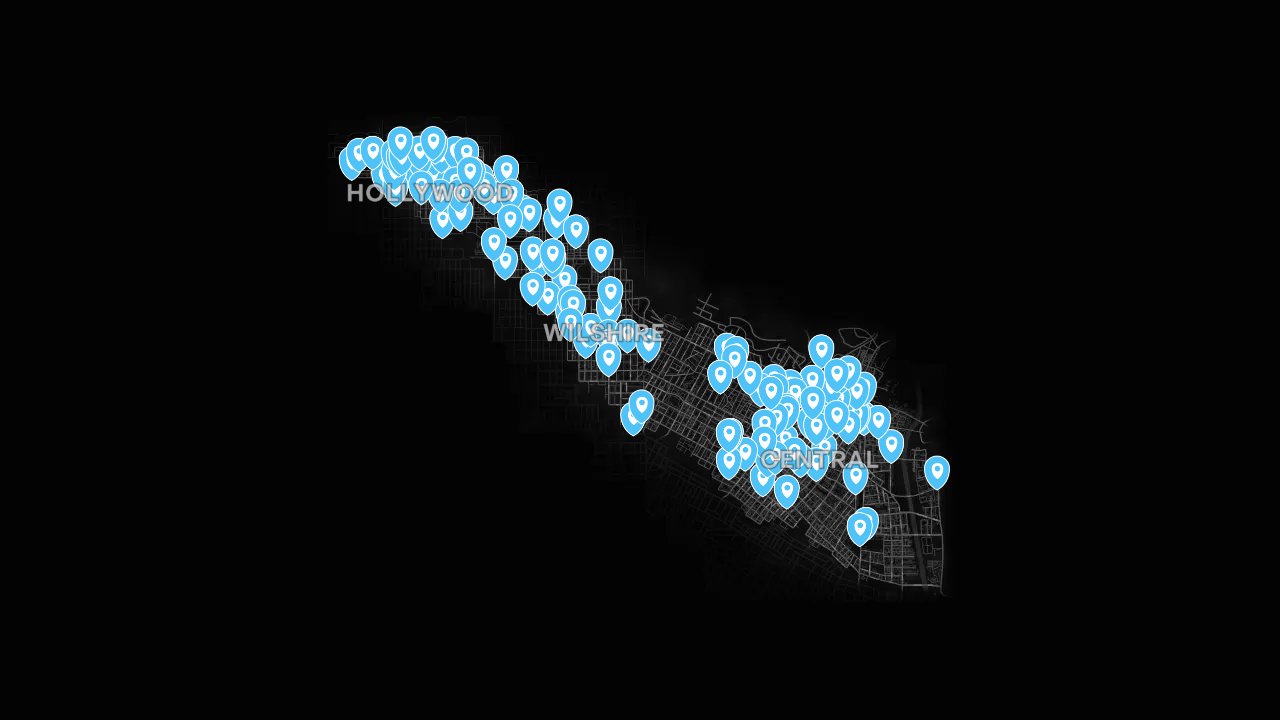
Locations in L.A. Noire represent the key landmarks, buildings, and points of interest scattered throughout the meticulously recreated 1940s Los Angeles. These markers guide you to significant places that define the game’s atmosphere and provide context for Cole Phelps’ investigations across the sprawling city.
The L.A. Noire Interactive Map highlights these essential destinations, helping you navigate between crime scenes, headquarters, and notable landmarks without getting lost in the vast urban landscape. Understanding where these locations sit in relation to each other streamlines your detective work and enhances your exploration of this noir masterpiece.

What Locations Are Used For
Locations serve as navigation anchors and story context points throughout your cases in L.A. Noire. They provide essential services and mark significant places that appear repeatedly during investigations.
- Navigate between different LAPD divisions and precincts during case assignments
- Identify key landmarks referenced in clues, witness testimonies, and case files
- Access police services like evidence lockers, case briefings, and partner assignments
- Understand the geographic layout of 1940s Los Angeles for better case comprehension
- Locate important buildings and districts that feature in multiple investigations
Locations Types
The map categorizes locations into distinct types based on their function and importance within the game world, making it easier to identify what services or story elements each destination provides.
Point of Interest
These markers highlight notable buildings, landmarks, and locations that play significant roles in L.A. Noire’s cases or contribute to the authentic 1940s Los Angeles atmosphere. Points of Interest include famous buildings, crime scene locations, and cultural landmarks that Cole encounters during his detective career across different desks.
Police Station
Police Station markers identify the various LAPD precincts and headquarters where Cole reports for duty, receives case assignments, and accesses departmental resources. These locations serve as your home base for each desk assignment, providing access to evidence storage, briefing rooms, and your assigned partners throughout the game’s progression.
How to Use the Map Efficiently
Planning your route between locations becomes crucial when investigating cases that span multiple districts across Los Angeles, especially when time pressure affects your detective rating.
- Start each case by identifying the nearest police station to your investigation area
- Group nearby points of interest together when following leads to minimize travel time
- Use major landmarks as navigation reference points when reading addresses from your case notebook
- Check police station locations before accepting new cases to understand your operational area
- Plan routes that move efficiently between downtown, Hollywood, and suburban districts
- Identify backup police stations for cases that span multiple precincts or require extended investigation periods
Locations Locations Table
Quick reference for understanding what each location type offers during your investigations.
| Type | What You Get | Notable Detail |
|---|---|---|
| Point of Interest | Case context and navigation landmarks | Often referenced in clues and testimonies |
| Police Station | Case briefings and evidence access | Changes based on current desk assignment |
Tips for Locations Hunting
- Study the map before starting each case to identify relevant landmarks mentioned in briefings
- Memorize police station locations for each desk to avoid confusion during case transitions
- Use distinctive buildings as waypoints when navigating to addresses without clear street markers
- Pay attention to district boundaries since different areas have unique architectural styles and layouts
- Keep track of recurring locations that appear in multiple cases for better story continuity
- Note which points of interest provide visual references for understanding witness directions and suspect descriptions
FAQs
Do I need to visit all locations to complete the game?
No, you only need to visit locations that are directly relevant to your current cases. However, exploring additional points of interest can provide valuable context and enhance your understanding of the story and setting.
Which police stations do I report to during the game?
You’ll report to different police stations depending on your current desk assignment. Traffic desk operates from one precinct, while Homicide, Vice, and Arson desks may use different headquarters based on the cases you’re investigating.
Can I fast travel between locations?
L.A. Noire doesn’t have traditional fast travel, but you can skip driving sequences by having your partner drive while you review case notes. This effectively transports you between locations without manual navigation.
Are locations tied to specific time periods in the game?
Some locations become relevant only during specific cases or desk assignments. Certain buildings and areas may be inaccessible until story progression unlocks them as part of your investigation duties.
Credit: L.A. Noire by Wand