All Locations: Fantasy Life I The Girl Who Steals Time Guide
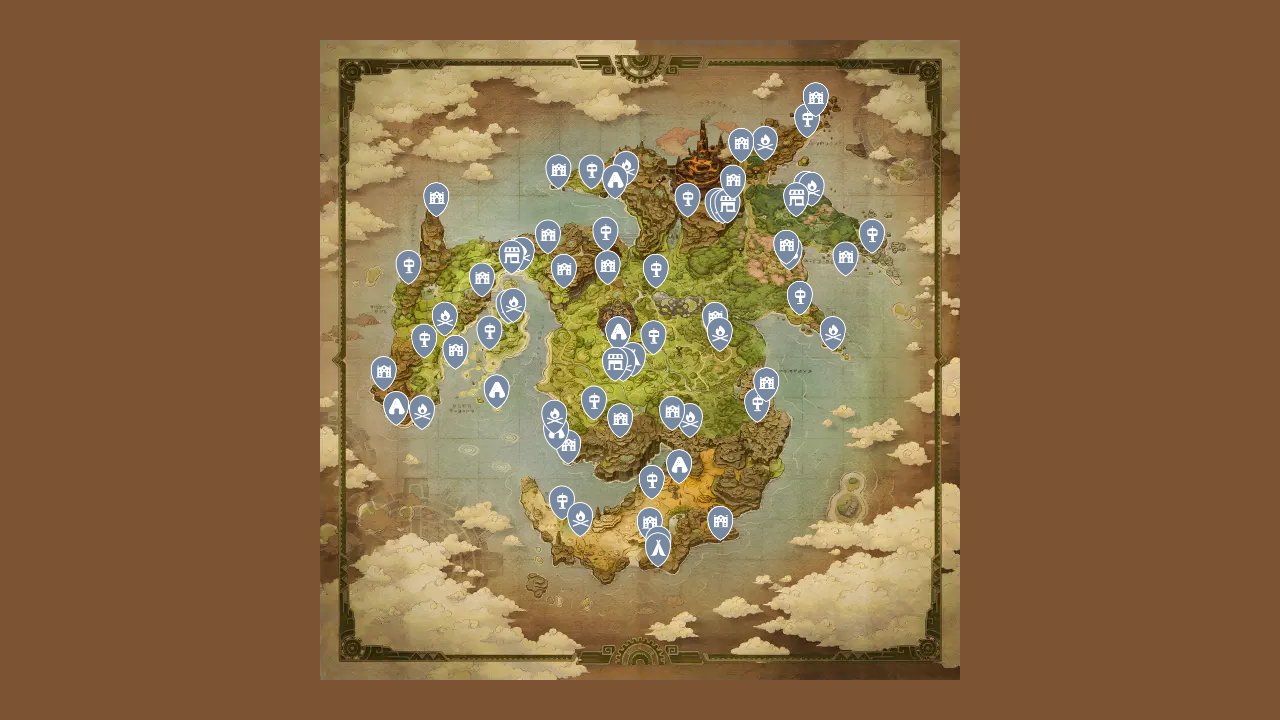
Location markers in Fantasy Life I The Girl Who Steals Time serve as essential waypoints for navigation, resource gathering, and story progression throughout the expansive world. These markers help players efficiently traverse the game’s diverse environments while ensuring they don’t miss crucial facilities and interactive elements.
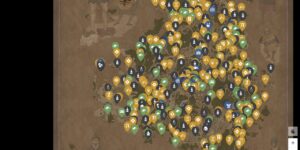
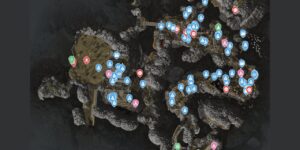
The Fantasy Life I The Girl Who Steals Time Interactive Map with Location filtering reveals all major points of interest that serve as functional hubs for various gameplay systems. From rest points to specialized shops, each Location type offers specific benefits that directly impact your adventure progression and resource management.
What Location Are Used For
Location markers identify key functional areas that provide essential services, safe harbors, and progression opportunities throughout your journey. These waypoints ensure you can efficiently plan routes while maximizing access to important facilities.
- Provide safe rest areas and save points during exploration
- Grant access to specialized shops and unique vendors
- Serve as fast-travel destinations and navigation anchors
- Offer storage, healing, and character progression facilities
- Mark story-critical areas and dungeon entrances
Location Types
The Location category encompasses six distinct marker types, each serving unique gameplay functions that support different aspects of your adventure.
Campfire
Campfire locations provide essential rest points where you can save your progress and recover health. These outdoor gathering spots often appear at strategic intervals along major travel routes. Many campfires also serve as respawn points if you fall in battle, making them crucial for safe exploration of dangerous areas.
Cave
Cave markers indicate underground areas that typically contain valuable resources, hidden treasures, or story elements. These subterranean locations often house unique materials needed for crafting or Life progression. Some caves connect different surface areas, serving as shortcuts through otherwise impassable terrain.
Base
Base locations represent major settlements and operational hubs where multiple services converge. These areas typically feature guildhalls, shops, and NPCs offering quests or Life-specific training. Bases serve as primary fast-travel destinations and social gathering points for players.
Shrine
Shrine markers identify sacred locations that often provide spiritual services or story revelations. These mystical sites may offer special blessings, character enhancements, or access to unique abilities. Many shrines play important roles in the main storyline and character development.
Tower
Tower locations mark prominent vertical structures that serve various gameplay functions. Some towers provide elevated viewpoints for scouting, while others contain challenging encounters or rare treasures. These distinctive landmarks often serve as navigation reference points across the landscape.
Evershops
Evershop markers indicate specialized merchant locations offering unique goods and services not found in regular stores. These premium vendors typically stock rare materials, exclusive equipment, or Life-specific items. Evershops often require special currencies or achievement unlocks to access their full inventories.
How to Use the Map Efficiently
Strategic Location discovery requires understanding regional patterns and utilizing fast-travel networks to minimize backtracking while maximizing exploration coverage.
- Start by unlocking Base locations to establish fast-travel networks across major regions
- Prioritize Campfire discovery along main travel routes for safe exploration corridors
- Check Cave entrances thoroughly as many contain multiple chambers with separate services
- Visit Evershops regularly as their inventories may refresh or expand based on story progress
- Mark Tower locations early for navigation reference when exploring unfamiliar territories
- Combine Shrine visits with nearby Location clusters to maximize travel efficiency
Location Locations Table
This reference table summarizes each Location type and its primary benefits.
| Type | Primary Function | Key Benefits |
|---|---|---|
| Campfire | Rest and Save Points | Health recovery, progress saving, respawn anchor |
| Cave | Underground Exploration | Rare resources, hidden treasures, terrain shortcuts |
| Base | Major Settlement Hub | Multiple services, fast-travel, quest NPCs |
| Shrine | Sacred Site | Spiritual services, story elements, special abilities |
| Tower | Vertical Structure | Elevated viewpoints, challenges, navigation landmarks |
| Evershops | Premium Merchant | Exclusive items, rare materials, special currencies |
Tips for Location Hunting
- Follow main story paths initially as they naturally lead to essential Location types
- Explore thoroughly around discovered Bases as they often cluster with other Location types
- Check elevated terrain and distinctive geographical features for hidden Shrines and Towers
- Return to previously visited areas after story progression to unlock new Evershop inventory
- Use environmental cues like smoke columns or architectural elements to spot distant Location markers
- Coordinate Location discovery with Life-specific gathering routes to maximize exploration efficiency
FAQs
Do all Location types offer fast-travel capabilities?
No, only Base locations and some major Shrines provide fast-travel functionality. Campfires serve as respawn points but don’t enable fast-travel.
Can Evershops be accessed immediately upon discovery?
Most Evershops require story progress or specific achievements to unlock their premium inventories, though basic services are typically available immediately.
Are Cave locations always connected to surface entrances?
While most Caves have obvious surface entrances, some are accessed through hidden passages or require specific story progression to unlock entry points.
Do Location markers respawn or change over time?
Location markers remain permanent once discovered, though some may expand their services or unlock new areas based on story progression and character development.
Credit: Fantasy Life I The Girl Who Steals Time by Wand