All Enemy Locations: Marathon Guide
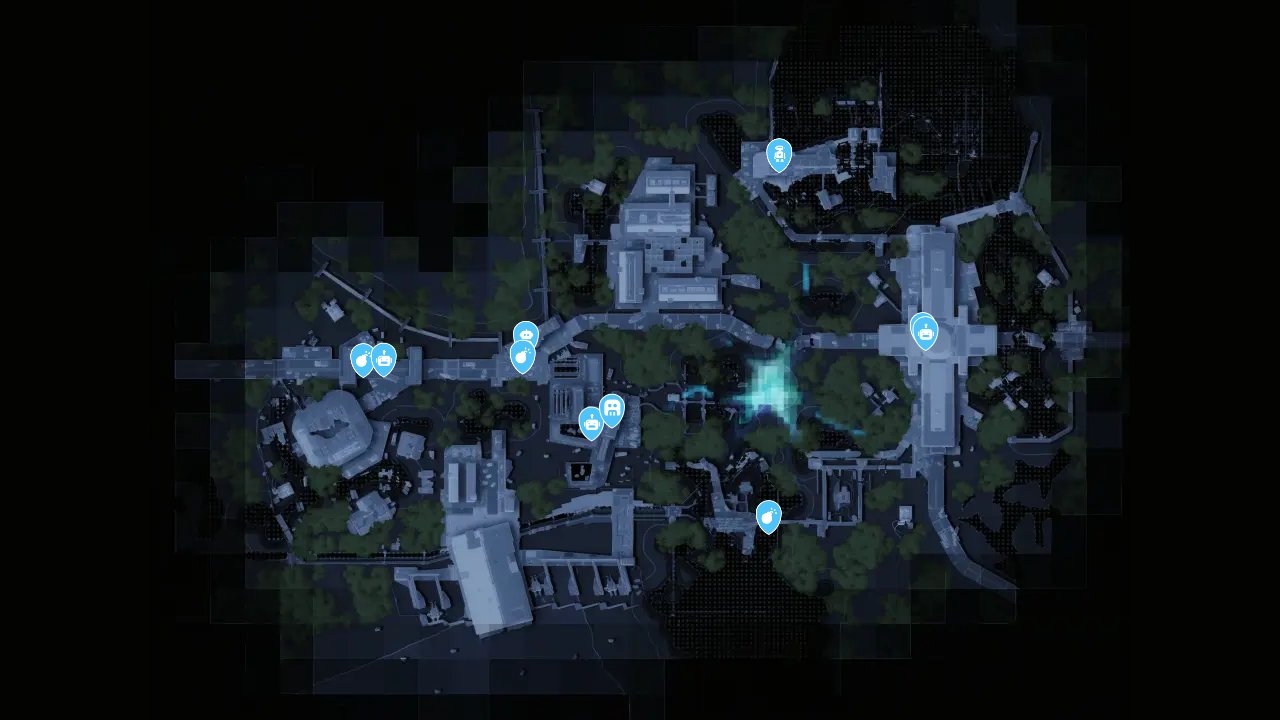
Enemies in Marathon present diverse combat challenges across each level, requiring strategic awareness of their positions and capabilities. The Marathon Interactive Map‘s enemy filter reveals every hostile encounter, from basic UESC personnel to automated defense systems.
Understanding enemy placement helps you prepare appropriate weapons, ammunition, and tactical approaches for each area. This filtered view eliminates guesswork and lets you plan efficient routes through hostile territory.

What Enemies Are Used For
Enemies serve as the primary obstacles between you and mission objectives, guarding key areas and terminals while providing combat experience and weapon practice.
- Block access to important terminals and switches
- Guard ammunition caches and weapon pickups
- Provide combat training for weapon proficiency
- Create tactical puzzles requiring specific approaches
- Control territory that must be cleared for progression
Enemies Types
Marathon features eight distinct enemy types, each with unique combat behaviors and strategic roles within level design.
UESC Recruit
Basic infantry units equipped with standard weapons and moderate combat training. These enemies form the backbone of hostile forces and appear frequently in early encounters. They provide straightforward combat challenges while teaching fundamental engagement principles.
UESC Grenadier
Explosive specialists carrying grenade launchers and area-denial weapons. These units excel at controlling chokepoints and forcing tactical repositioning. Their explosive attacks make cover usage essential during engagements.
UESC Assault Trooper
Elite infantry with enhanced weapons and improved tactical awareness. These enemies require more ammunition and strategic positioning to defeat effectively. They often guard critical mission areas and valuable resources.
UESC Scout
Fast-moving reconnaissance units that excel at hit-and-run tactics. Their mobility makes them difficult targets requiring precise aim and timing. Scouts often patrol perimeter areas and serve as early warning systems.
UESC Ghost
Stealth-capable units that can appear and disappear during combat encounters. These enemies create unpredictable engagement scenarios requiring constant awareness. Their cloaking abilities make them particularly dangerous in close quarters.
UESC Grenadier CMDR
Command variants of standard grenadiers with enhanced explosive capabilities and tactical coordination. These units pose significant area-denial threats and often coordinate group attacks. They typically appear in critical defensive positions.
UESC Sentry Recruit
Defensive specialists positioned to guard specific locations and patrol routes. These enemies maintain fixed positions and respond predictably to player movement. They serve as reliable obstacles requiring tactical planning to overcome.
Turret
Automated defensive systems providing continuous area coverage and suppressive fire. These stationary enemies cannot be flanked conventionally and require direct assault or explosive solutions. Turrets often control key pathways and terminal access points.
How to Use the Map Efficiently
Effective enemy tracking requires understanding patrol patterns and engagement ranges to minimize unnecessary confrontations while ensuring mission progress.
- Check enemy density before entering new areas to prepare appropriate ammunition loadouts
- Identify turret positions early to plan safe approach routes around their firing arcs
- Note grenadier locations to avoid explosive ambushes in confined spaces
- Track scout patrol routes to time movement through their territories
- Locate command units first as they often coordinate nearby enemy responses
- Mark ghost positions to anticipate stealth encounters in specific areas
Enemies Locations Table
Each enemy type serves distinct tactical purposes within Marathon’s combat scenarios.
| Type | Primary Threat | Tactical Approach |
|---|---|---|
| UESC Recruit | Standard firearms | Direct engagement with basic weapons |
| UESC Grenadier | Explosive area damage | Maintain distance and use cover |
| UESC Assault Trooper | Heavy weapons fire | Superior firepower and positioning |
| UESC Scout | Mobile harassment | Predictive targeting and ambush |
| UESC Ghost | Stealth ambush | Area awareness and rapid response |
| UESC Grenadier CMDR | Coordinated explosives | Priority elimination from range |
| UESC Sentry Recruit | Defensive positioning | Flanking maneuvers or patience |
| Turret | Automated suppression | Explosive weapons or indirect approach |
Tips for Enemies Hunting
- Save powerful ammunition for assault troopers and command units while using standard weapons on recruits
- Approach turret positions from angles outside their rotation limits when possible
- Listen for audio cues that indicate ghost unit presence before they become visible
- Eliminate grenadiers quickly to prevent area-denial tactics from limiting movement options
- Use doorways and corners to limit scout mobility advantages during engagement
- Target command units early in group encounters to reduce coordination effectiveness
FAQs
Which enemies should I prioritize in group encounters?
Target command units and grenadiers first to reduce area denial and coordination, then focus on assault troopers before handling basic recruits and scouts.
How can I deal with turrets effectively?
Use explosive weapons from outside their firing arc, approach from blind spots during their rotation cycles, or find alternate routes that bypass their coverage areas entirely.
What’s the best way to handle ghost units?
Stay mobile and listen for their movement sounds, use area-effect weapons when they decloak, and avoid lingering in areas where they commonly appear.
Do different enemy types require specific ammunition types?
While all enemies respond to standard weapons, explosive weapons work best against turrets and grouped enemies, while precision weapons excel against mobile scouts and distant targets.
Credit: Marathon by Wand