Where To Find Every Resource In Mount Blade II Bannerlord
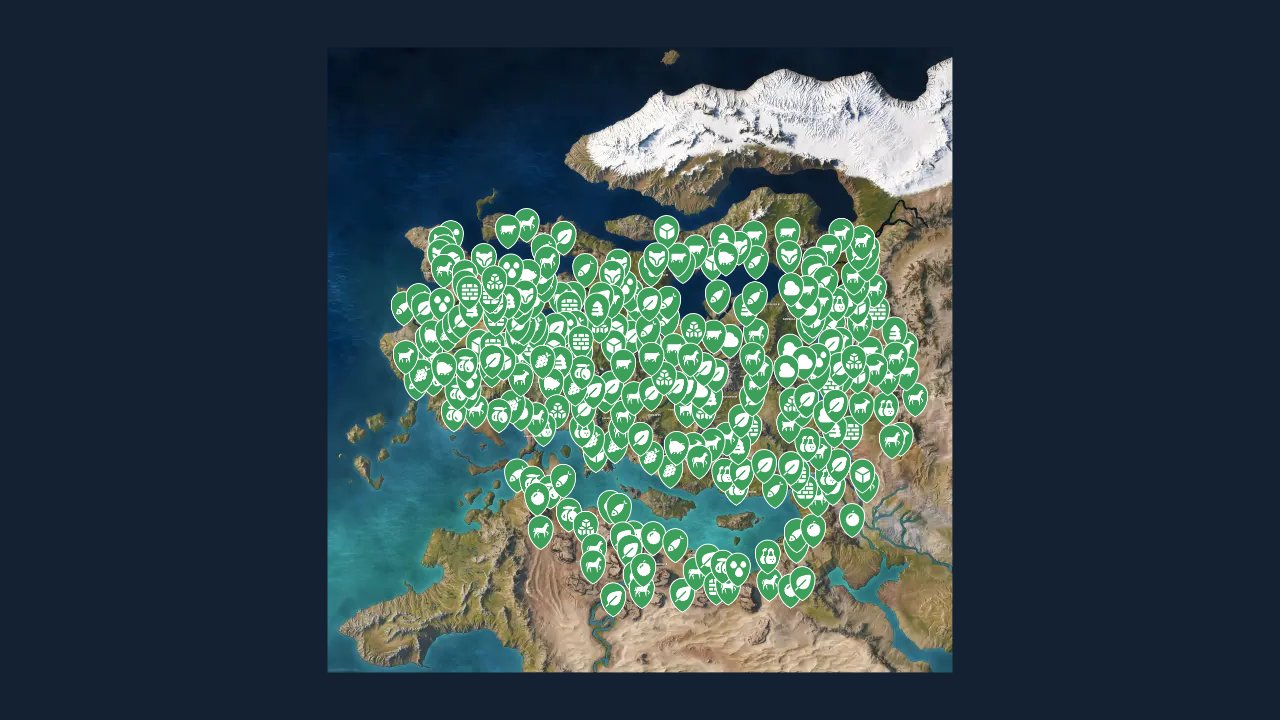
Resources in Mount Blade II Bannerlord form the economic backbone of your kingdom-building ambitions. Every settlement, trade route, and crafting decision depends on understanding where valuable materials spawn across Calradia’s diverse regions. The Mount Blade II Bannerlord Interactive Map filters resource locations by type, letting you plan efficient trade circuits and identify the most profitable territories to conquer. Whether you’re establishing workshops, negotiating trade agreements, or simply maximizing caravan profits, knowing resource distribution gives you a decisive economic advantage.

What Resources Are Used For
Resources drive Mount Blade II Bannerlord’s complex economy, determining settlement prosperity, workshop profitability, and trade opportunities across the continent.
- Establish profitable workshops in settlements with abundant raw materials
- Plan trade routes between resource-rich and resource-hungry towns
- Target conquest goals based on strategic resource control
- Negotiate favorable trade agreements with resource-producing factions
- Maximize caravan profits by understanding supply and demand patterns
Resources Types
Calradia’s resources span agricultural products, raw materials, and luxury goods, each concentrated in specific geographic regions and climate zones.
Cow
Cattle provide meat and hides for food production and leather workshops. These livestock resources cluster in grassland regions where grazing conditions support large herds.
Clay
Essential for pottery workshops, clay deposits appear near riverbanks and coastal areas. This material supports one of the most consistently profitable workshop types in the game.
Date Fruit
A luxury food item found primarily in desert regions of the Aserai lands. Date fruit commands high prices in northern settlements where it’s considered exotic.
Fish
Coastal settlements and major rivers provide fishing grounds that supply protein to local populations. Fish resources support food production and can prevent settlements from starving during sieges.
Flax
The foundation of linen production, flax grows in temperate regions with adequate moisture. Linen workshops require steady flax supplies to remain profitable.
Fur
Valuable pelts from northern forests command premium prices across Calradia. Fur resources concentrate in Sturgia and northern Empire territories where cold-weather animals thrive.
Grain
The most critical food resource, grain supports population growth and prevents famine. Grain-producing regions become strategic targets during military campaigns due to their vital importance.
Grapes
Wine production depends on grape cultivation in Mediterranean-climate regions. These resources support some of the most lucrative workshops when paired with proper market access.
Hardwood
Dense forests provide hardwood for construction, crafting, and siege equipment. These resources prove essential for maintaining armies and developing settlements.
Hog
Pig farming provides affordable meat production for urban populations. Hog resources typically cluster near settlements with adequate feed supplies and waste management.
Horse
The foundation of Calradia’s military power, horse breeding regions determine cavalry availability. These resources concentrate in grassland areas suitable for raising quality mounts.
Iron Ore
Critical for weapon and tool production, iron deposits fuel the military economy. Controlling iron-rich territories provides significant strategic advantages in prolonged conflicts.
Olives
Olive groves produce oil for cooking and lighting, creating valuable trade commodities. These resources thrive in coastal Mediterranean climates throughout southern Calradia.
Salt
Essential for food preservation and leather processing, salt deposits command steady demand. These resources often appear near coastal areas or inland salt lakes.
Sheep
Wool production depends on sheep herding in suitable grazing areas. These resources support textile workshops and provide meat as a secondary product.
Raw Silk
The most luxurious textile material, silk production requires specific climate conditions. Raw silk resources concentrate in eastern regions and command the highest workshop profits.
Silver Ore
Precious metal mining provides currency and luxury goods for wealthy markets. Silver resources create valuable trade opportunities but require significant investment to exploit.
Whale Oil
Rare maritime resources from whaling operations provide high-value lighting fuel. These resources appear only in specific coastal regions with active whaling fleets.
Walrus Tusks
Exotic ivory from northern waters creates luxury trade goods. Walrus tusk resources represent some of the highest-value items available in northern trading posts.
How to Use the Map Efficiently
Strategic resource planning requires understanding both geographic distribution and economic relationships between production centers and markets.
- Identify resource clusters before establishing trade routes or workshops
- Target multiple complementary resources in single regions to maximize efficiency
- Plan conquest campaigns around controlling key resource production areas
- Use fast-travel between known resource centers to optimize caravan timing
- Focus on rare resources like silk and silver for maximum profit margins
- Consider seasonal variations that affect agricultural resource availability
Resources Locations Table
Each resource type offers distinct economic opportunities and strategic value across Calradia’s diverse regions.
| Type | Primary Use | Strategic Value |
|---|---|---|
| Cow | Meat and leather production | Steady food supply |
| Clay | Pottery workshops | Reliable profit source |
| Date Fruit | Luxury food export | High-value desert trade |
| Fish | Coastal food production | Siege preparation |
| Flax | Linen manufacturing | Textile workshop foundation |
| Fur | Premium clothing | Northern luxury trade |
| Grain | Basic food security | Population growth support |
| Grapes | Wine production | High-profit workshops |
| Hardwood | Construction materials | Military equipment |
| Hog | Affordable meat source | Urban food supply |
| Horse | Cavalry mounts | Military superiority |
| Iron Ore | Weapon crafting | Strategic military resource |
| Olives | Oil production | Mediterranean trade |
| Salt | Food preservation | Universal demand |
| Sheep | Wool and meat | Textile industry |
| Raw Silk | Luxury textiles | Maximum workshop profits |
| Silver Ore | Currency and luxury | Wealth generation |
| Whale Oil | Premium lighting | Rare coastal commodity |
| Walrus Tusks | Ivory trade | Arctic luxury goods |
Tips for Resources Hunting
- Prioritize rare resources like silk and silver over common materials for better returns
- Establish workshops in settlements with abundant local raw materials
- Monitor seasonal price fluctuations to time resource trades optimally
- Control entire supply chains by conquering both production and consumption centers
- Use diplomacy to secure trade agreements with resource-rich neutral factions
- Consider resource scarcity during wartime when planning long-term strategies
FAQs
Which resources provide the highest workshop profits?
Raw silk, silver ore, and grapes typically offer the highest workshop profits when located in settlements with good market access and abundant local supply.
Do resources respawn or regenerate over time?
Resource production is tied to settlement prosperity and regional stability rather than respawning mechanics, so maintaining peace and development is crucial for sustained output.
Can I establish multiple workshops using the same resource?
Yes, but market saturation reduces profitability, so spread similar workshops across different regions or focus on areas with exceptionally high resource abundance.
How do wars affect resource availability?
Wars disrupt trade routes and damage settlement production, causing resource scarcity and price spikes that create both challenges and profit opportunities for prepared traders.
Credit: Mount Blade II Bannerlord by Wand