Where To Find Every Mysteries (Side Missions) In Indiana Jones And The Great Circle
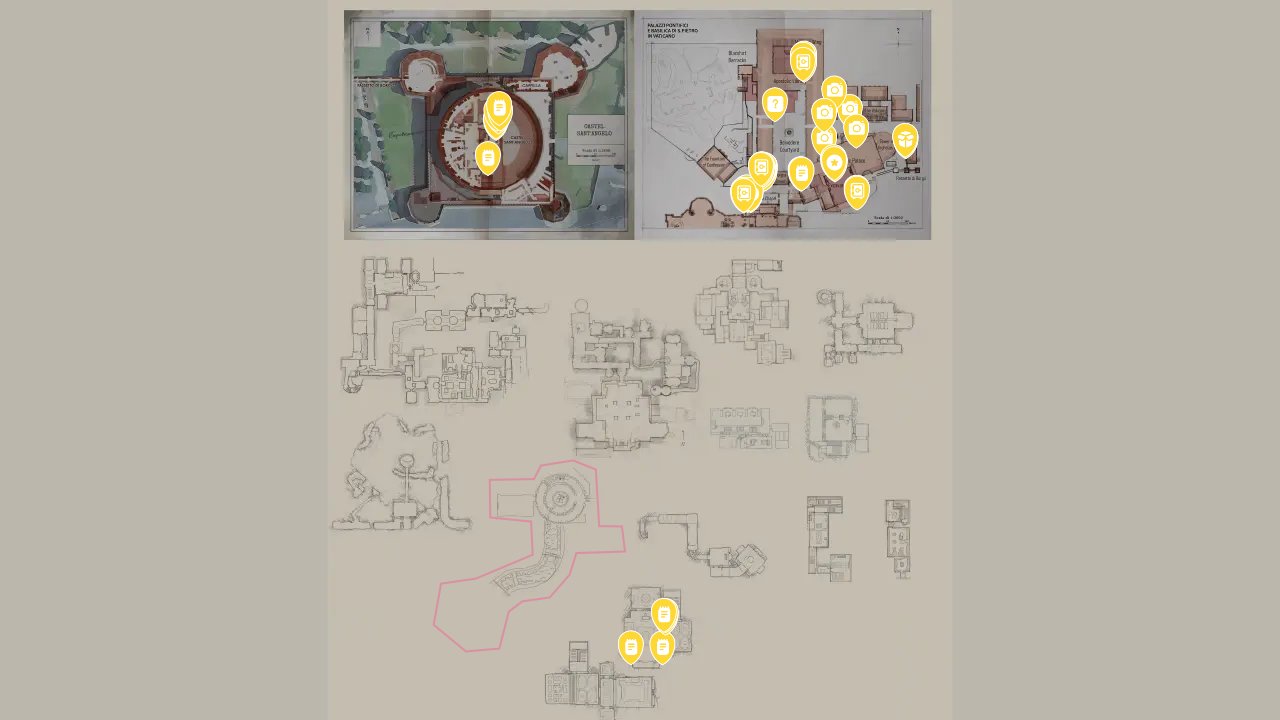
Mysteries (Side Missions) form the backbone of exploration and narrative depth in Indiana Jones And The Great Circle, offering rich storylines and rewarding discoveries beyond the main campaign. These optional questlines unlock unique adventures that showcase Indy’s archaeological expertise and problem-solving skills across diverse environments. The Indiana Jones And The Great Circle Interactive Map simplifies tracking these complex missions by organizing all related markers in one filtered view. Rather than wandering aimlessly through vast locations, you can plan efficient routes that connect mission objectives, gather required items, and solve intricate puzzles without missing critical components.

What Mysteries (Side Missions) Are Used For
Mysteries (Side Missions) unlock substantial content that enriches your understanding of the game world while providing valuable rewards and character development opportunities.
- Access exclusive story content that expands on historical mysteries and archaeological discoveries
- Earn unique rewards including rare artifacts, equipment upgrades, and adventure points
- Unlock new areas and hidden passages that remain inaccessible through normal exploration
- Develop Indy’s skills through challenging puzzles that require observation and deduction
- Complete detailed questlines that often span multiple locations and require careful planning
Mysteries (Side Missions) Types
Each Mystery contains multiple interconnected elements that work together to create comprehensive investigative experiences requiring different approaches and skills.
Mission
Mission markers identify the starting points and key objectives for each Mystery storyline. These represent major quest hubs where you receive briefings, accept objectives, and return completed discoveries for evaluation and rewards.Notes
Notes contain crucial background information, clues, and contextual details that advance Mystery narratives. These documents often provide essential hints for solving puzzles or reveal historical context that makes the archaeological discoveries more meaningful.Photo
Photo opportunities mark specific angles or subjects that contribute to Mystery documentation and evidence gathering. Taking these photographs often serves as proof of discoveries or provides visual clues needed to progress through complex investigative sequences.Mission Item
Mission Items represent essential objects required to complete specific Mystery objectives or unlock progression paths. These range from ancient artifacts and tools to modern equipment needed for archaeological work and puzzle solving.Interactive Objects
Interactive Objects mark environmental elements that respond to player actions and often contain hidden mechanisms or information. These might include moveable statues, readable inscriptions, or mechanical devices that require manipulation to reveal secrets.Puzzle
Puzzle markers indicate complex challenges that require logical thinking, pattern recognition, or environmental manipulation. These brain teasers often guard valuable rewards or serve as gatekeepers to restricted areas within Mystery locations.Switch
Switch locations highlight mechanical controls that alter environmental states, open passages, or activate ancient mechanisms. These often require specific sequences or timing to operate correctly and frequently connect to larger puzzle systems.Locked Container
Locked Container markers show secured storage that requires keys, codes, or puzzle solutions to access. These containers typically hold valuable Mission Items, important documents, or rare artifacts essential for Mystery completion.How to Use the Map Efficiently
Effective Mystery hunting requires systematic planning since these missions often involve multiple locations and interconnected objectives that must be completed in specific sequences.
- Start by identifying Mission markers to understand each Mystery’s scope and requirements before gathering supporting elements
- Group nearby markers by location to minimize travel time and ensure you collect all required items in each area
- Prioritize Notes and Photos early since they often provide essential context for understanding puzzle solutions
- Mark Switch and Interactive Object locations that might need to be activated in specific orders during puzzle sequences
- Plan routes that connect Mission Items with their corresponding objectives to avoid backtracking across large areas
- Save Locked Container locations for last since they often require keys or codes obtained from other Mystery elements
Mysteries (Side Missions) Locations Table
Each marker type serves a specific role in the complete Mystery experience.
| Type | What You Get | Notable Detail |
|---|---|---|
| Mission | Quest objectives and final rewards | Primary hub for each Mystery storyline |
| Notes | Background lore and puzzle clues | Often contain essential hints for progression |
| Photo | Documentary evidence and visual clues | Required for certain Mission completions |
| Mission Item | Essential quest objects and tools | Specific items needed for objective completion |
| Interactive Objects | Hidden mechanisms and information | Require examination or manipulation |
| Puzzle | Complex challenges and brain teasers | Guard valuable rewards and secret areas |
| Switch | Environmental controls and mechanisms | Often part of larger puzzle sequences |
| Locked Container | Secured storage with valuable contents | Require keys, codes, or puzzle solutions |
Tips for Mysteries (Side Missions) Hunting
- Read all available Notes before attempting puzzles since they often contain essential solution hints or historical context
- Photograph everything interesting even if not marked, as some Mysteries require documentation of unmarked subjects
- Examine Interactive Objects thoroughly since they might reveal hidden compartments or additional clues
- Keep Mission Items organized in your inventory since some Mysteries require multiple objects used in specific combinations
- Test Switch combinations methodically and note their effects since some puzzles require precise activation sequences
- Return to previously locked areas after completing other Mystery elements since new keys or codes might become available
FAQs
Can Mysteries (Side Missions) be completed in any order?
Most Mysteries can be started independently, but individual elements within each Mystery often require specific completion sequences. Some late-game Mysteries might require equipment or knowledge gained from earlier missions.
What happens if I miss Mission Items during exploration?
Mission Items remain available for collection even after progressing through other areas. You can return to previous locations to gather missed items needed for Mystery completion.
Are puzzle solutions randomized or always the same?
Puzzle solutions remain consistent across playthroughs, but the clues needed to solve them are scattered throughout the environment and require careful observation and note-taking to piece together.
Do completed Mysteries affect the main story progression?
While Mysteries provide valuable rewards and character development, they typically do not alter main story outcomes. However, they often provide additional context and background that enriches the overall narrative experience.
Credit: Indiana Jones And The Great Circle by Wand