Where To Find Every Food and Foraging In Bellwright
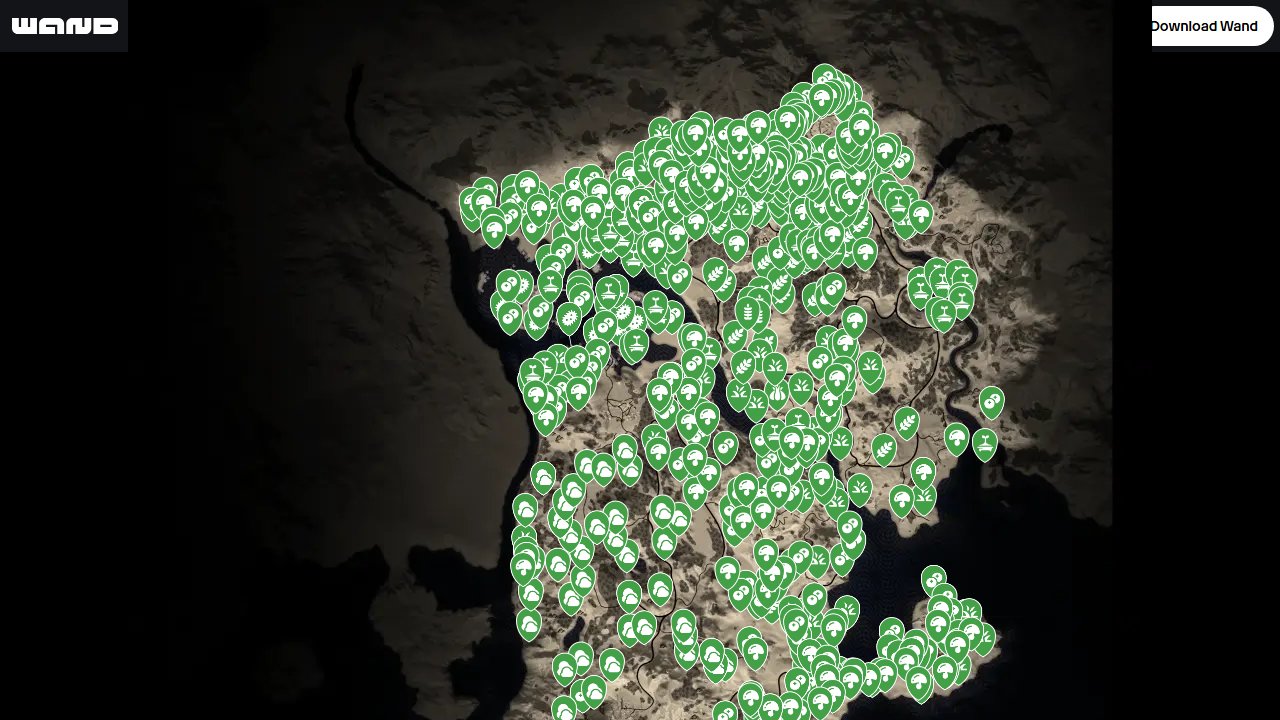
Food and Foraging locations in Bellwright provide essential survival resources scattered throughout the game world. The Bellwright Interactive Map filters these gathering spots to help you plan efficient resource collection routes across different biomes and terrain types. Finding food sources and crafting materials becomes crucial as you establish settlements and expand your influence. The filtered map shows exactly where each resource type spawns, eliminating guesswork from your foraging expeditions.

What Food and Foraging Are Used For
Food and Foraging resources serve as the foundation for survival, crafting, and settlement development in Bellwright. These materials fuel both immediate needs and long-term expansion plans.
- Sustaining health and stamina through direct consumption of berries, mushrooms, and other edibles
- Crafting medicines, potions, and healing items from gathered herbs and plants
- Creating textiles and rope from hemp, cotton, and other fibrous materials
- Supporting agricultural development through seed collection and farming preparation
- Trading valuable foraged goods with NPCs and settlements for equipment upgrades
Food and Foraging Types
The map tracks ten distinct categories of Food and Foraging resources, each offering specific materials for different crafting and survival needs.
Sage
Sage grows in highland areas and provides medicinal properties for healing items. This herb commonly appears near rocky outcroppings and elevated terrain where other vegetation struggles to thrive.
Hemp
Hemp offers fibrous material essential for rope crafting and textile production. These plants typically cluster in fertile valleys and along riverbanks where soil conditions support their growth.
Berry
Berry bushes deliver immediate food value and can be harvested repeatedly over time. They flourish in forest edges and clearings, making them reliable food sources during exploration.
Mushroom
Mushrooms provide both nutrition and alchemical components for advanced crafting recipes. They favor shaded forest floors and damp areas near water sources.
Garlic
Garlic bulbs offer strong medicinal properties and cooking ingredients for enhanced meals. These plants prefer well-drained soil in open meadows and grassland areas.
River Reed
River Reed grows exclusively along waterways and provides materials for basket weaving and construction. These tall plants mark reliable water sources while offering crafting versatility.
Cotton
Cotton plants yield soft fibers crucial for clothing and bandage production. They require specific growing conditions and typically appear in cultivated or formerly cultivated areas.
Cranberry
Cranberries grow in boggy, wetland areas and provide both food and preservation ingredients. These tart berries help extend the shelf life of other stored foods.
Mosses
Mosses serve as basic medical supplies and tinder for fire starting. They coat rocks, trees, and damp surfaces throughout forested regions.
Wheat Field
Wheat Fields represent established agricultural areas with grain crops for bread making. These locations often indicate former settlements or current farming operations.
How to Use the Map Efficiently
Strategic route planning maximizes your foraging efficiency while minimizing travel time between resource clusters.
- Group nearby markers by biome type since similar plants often grow in comparable environments
- Plan circular routes that start and end near fast-travel points or your base settlement
- Prioritize water-adjacent areas where multiple resource types converge naturally
- Visit agricultural zones first as Wheat Fields often contain multiple forageable plants nearby
- Check elevated areas for rare herbs like Sage that require specific terrain conditions
- Mark seasonal spawns since some plants may not be available year-round
Food and Foraging Locations Table
Each resource type provides specific materials and spawns in characteristic environments.
| Type | What You Get | Notable Detail |
|---|---|---|
| Sage | Medicinal herbs | Highland and rocky terrain |
| Hemp | Fiber for rope | Riverbanks and valleys |
| Berry | Direct food source | Forest edges, renewable |
| Mushroom | Food and alchemy | Shaded forest floors |
| Garlic | Medicine and seasoning | Open meadows |
| River Reed | Weaving materials | Waterway exclusive |
| Cotton | Soft textile fiber | Cultivated areas |
| Cranberry | Food preservation | Wetlands and bogs |
| Mosses | Medical supplies | Damp surfaces |
| Wheat Field | Grain for bread | Agricultural zones |
Tips for Food and Foraging Hunting
- Carry appropriate tools for harvesting different plant types to maximize yield per gathering attempt
- Check the same locations periodically as many Food and Foraging resources respawn over time
- Explore transitional zones between biomes where different plant types overlap
- Follow animal trails and paths which often lead to water sources with concentrated plant life
- Build temporary camps near resource-rich areas to reduce travel time during intensive gathering sessions
- Note weather patterns as some plants may be more abundant after rain or during specific seasons
FAQs
Do Food and Foraging resources respawn in Bellwright?
Yes, most Food and Foraging resources respawn after a certain period, though respawn rates vary by resource type and location.
Which Food and Foraging items are most valuable for trading?
Medicinal herbs like Sage and processed materials from Hemp and Cotton typically offer the highest trade value due to their crafting utility.
Can you cultivate Food and Foraging resources at your settlement?
Some resources like wheat can be cultivated through farming systems, while others must be gathered from wild spawns throughout the game world.
What tools improve Food and Foraging efficiency?
Specialized harvesting tools and increased carrying capacity equipment significantly improve both gathering speed and the amount of resources you can collect per expedition.
Credit: Bellwright by Wand