Where To Find All Hunting Locations In Far Cry Primal
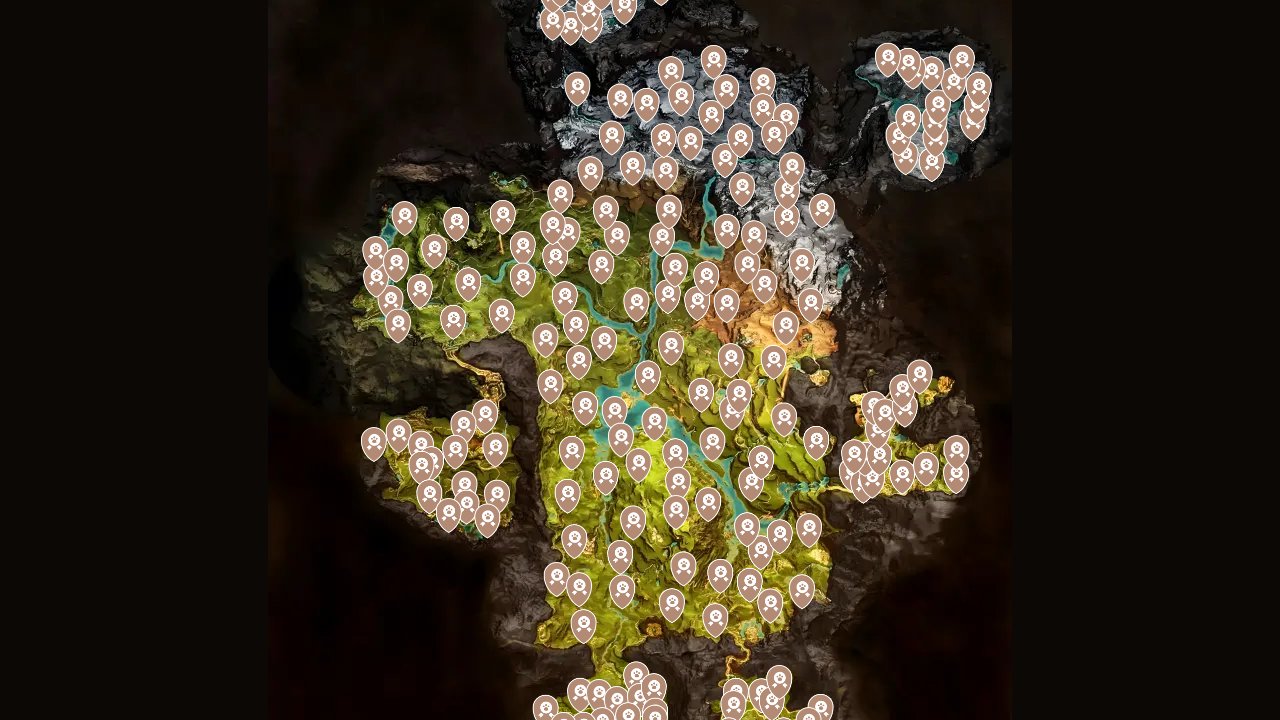
Hunting Locations in Far Cry Primal mark the territories where specific animals spawn consistently, making them essential waypoints for tracking down rare creatures and gathering crafting materials. The Stone Age setting demands careful resource management, and knowing where to find each animal type saves countless hours of wandering Oros. The Far Cry Primal Interactive Map shows every confirmed hunting ground across the valley, organized by animal type for efficient route planning. Each marker represents a reliable spawn point where you can expect to encounter specific wildlife, though some locations require particular conditions or times of day for the best results.
What Hunting Locations Are Used For
Hunting Locations provide the raw materials needed for crafting weapons, upgrading equipment, and completing tribal missions throughout your journey as Takkar.
- Craft and upgrade weapons using specific animal skins and bones
- Complete beast master missions that require hunting particular species
- Gather rare materials from apex predators like Cave Bears and Sabretooth Tigers
- Stock up on meat for health restoration and bait crafting
- Unlock new gear recipes that demand specific animal parts
Hunting Locations Types
The map categorizes hunting grounds by the primary animal species found at each location, covering everything from common prey to legendary apex predators.
Badger
Small but aggressive scavengers found in rocky areas and cave entrances. Badgers provide fur for basic crafting needs and are relatively easy targets for new hunters. They’re most active during dawn and dusk hours.
Bitefish
Dangerous aquatic predators lurking in deeper waters throughout Oros. These fish require spear fishing techniques and provide unique materials not found from land animals. They’re essential for certain water-based crafting recipes.
Boar
Common prey animals found in forested regions across the valley. Boars offer reliable sources of meat and hide for everyday crafting needs. They travel in groups and can be dangerous when cornered.
Brown Bear
Powerful predators inhabiting dense forests and mountainous regions. Brown Bears yield valuable materials for mid-tier equipment upgrades and pose significant combat challenges. They’re territorial and extremely aggressive when threatened.
Cave Bear
Massive apex predators dwelling in cave systems and rocky outcrops. Cave Bears provide some of the rarest crafting materials in the game and represent serious hunting challenges. Their territories often overlap with valuable resource deposits.
Cave Lion
Ancient feline predators stalking rocky terrain and cave mouths. Cave Lions offer unique materials for specialized weapon crafts and are notably more aggressive than their modern counterparts. They hunt in coordinated pairs.
Deer
Abundant herbivores grazing in open meadows and forest clearings. Deer provide steady supplies of meat and basic crafting materials, making them ideal targets for resource gathering. They’re skittish and require careful stalking.
Dhole
Pack-hunting wild dogs roaming grasslands and forest edges. Dholes yield materials for specialized gear and hunt cooperatively, making encounters unpredictable. They’re known for their persistence in pursuing wounded prey.
Elder Mammoth
Legendary tusked giants representing the ultimate hunting challenge. Elder Mammoths provide unparalleled crafting materials and require significant preparation to take down. Only a few exist across the entire valley.
Goat
Sure-footed mountain dwellers inhabiting steep cliffs and rocky slopes. Goats offer materials for climbing gear and specialized equipment while testing your archery skills at range. They’re excellent at detecting approaching hunters.
Jaguar
Stealthy jungle predators lurking in dense vegetation and near water sources. Jaguars provide materials for stealth-focused equipment and represent formidable opponents in close combat. They’re ambush hunters by nature.
Leopard
Agile spotted cats inhabiting diverse terrain from forests to grasslands. Leopards yield materials for balanced equipment upgrades and showcase impressive climbing abilities. They’re solitary hunters with exceptional night vision.
Mammoth
Towering herbivores traveling in small herds across open terrain. Mammoths provide substantial amounts of meat and bone for major crafting projects. They’re peaceful unless threatened but incredibly dangerous when provoked.
Monkey
Arboreal primates swinging through forest canopies and rocky areas. Monkeys offer unique materials for specialized tools and present challenging targets due to their mobility. They’re highly intelligent and communicate danger to their groups.
Sabretooth Tiger
Legendary feline apex predators with distinctive elongated canines. Sabretooth Tigers provide the rarest crafting materials and represent the pinnacle of hunting achievements. They’re solitary, territorial, and extremely dangerous.
Tall Elk
Majestic cervids standing above their common relatives in size and presence. Tall Elk yield premium materials for advanced crafting while requiring skilled hunting techniques. They’re alert, fast, and possess impressive antlers for defense.
Tapir
Unusual pig-like herbivores inhabiting wetland areas and forest streams. Tapirs provide specialized materials for water-resistant gear and prefer muddy terrain near rivers. They’re surprisingly fast swimmers when escaping threats.
Wolf
Cunning pack predators roaming diverse habitats across Oros. Wolves offer materials for survival gear and hunt in coordinated groups, making encounters tactically complex. They’re highly territorial and fiercely protective of their pack.
Woolly Rhino
Armored herbivores charging through grasslands and light forests. Woolly Rhinos provide exceptional materials for defensive equipment while posing serious combat risks. They’re near-sighted but possess devastating charging attacks.
Yak
Hardy mountain herbivores adapted to high-altitude conditions. Yaks yield materials for cold-weather gear and inhabit the most challenging terrain in Oros. They’re sturdy, persistent, and well-suited to harsh mountain environments.
How to Use the Map Efficiently
Planning hunting routes around Hunting Locations maximizes your time in the field while ensuring you gather the specific materials needed for your current crafting goals.
- Target specific regions based on the animals you need rather than random exploration
- Use fast-travel points to quickly move between distant hunting grounds
- Plan routes that connect multiple hunting areas for the same animal type
- Consider time of day preferences for different species when scheduling hunts
- Mark dangerous predator locations to avoid unexpected encounters during resource runs
- Coordinate hunting trips with nearby caves or outposts for efficient material storage
Hunting Locations Locations Table
Reference guide for each hunting location type and their primary benefits.
| Animal Type | Primary Materials | Hunting Difficulty |
|---|---|---|
| Badger | Basic fur, small bones | Easy |
| Bitefish | Fish meat, aquatic materials | Medium |
| Boar | Hide, meat, tusks | Easy |
| Brown Bear | Thick fur, large bones | Hard |
| Cave Bear | Rare fur, massive bones | Very Hard |
| Cave Lion | Premium fur, fangs | Hard |
| Deer | Hide, antlers, meat | Easy |
| Dhole | Wild fur, pack materials | Medium |
| Elder Mammoth | Legendary tusks, massive hide | Extreme |
| Goat | Mountain fur, hooves | Medium |
| Jaguar | Spotted fur, claws | Hard |
| Leopard | Spotted hide, fangs | Medium |
| Mammoth | Thick hide, huge tusks | Very Hard |
| Monkey | Primate fur, unique bones | Medium |
| Sabretooth Tiger | Legendary fur, saber teeth | Extreme |
| Tall Elk | Premium antlers, large hide | Hard |
| Tapir | Waterproof hide, snout | Medium |
| Wolf | Wolf fur, pack bones | Medium |
| Woolly Rhino | Armored hide, horn | Very Hard |
| Yak | Mountain hide, large bones | Medium |
Tips for Hunting Locations Hunting
- Craft hunter vision upgrades to spot animal tracks and scents more easily
- Use bait strategically to lure dangerous predators into favorable combat positions
- Approach Hunting Locations downwind to avoid alerting prey animals
- Stock up on arrows and spears before tackling apex predator territories
- Learn animal behavior patterns to predict movement and optimize hunting times
- Clear nearby threats before focusing on specific hunting targets
FAQs
Do animals respawn at Hunting Locations?
Yes, animals will respawn at their designated hunting locations after a period of time, allowing you to return for additional materials when needed.
Are there seasonal changes affecting animal spawns?
Far Cry Primal doesn’t feature seasonal changes, but some animals are more active during specific times of day or weather conditions.
Which Hunting Locations provide the rarest materials?
Elder Mammoth and Sabretooth Tiger locations yield the rarest crafting materials, followed by Cave Bear and Woolly Rhino hunting grounds.
Can I tame animals found at Hunting Locations?
Some animals at hunting locations can be tamed once you learn the appropriate beast master skills, including wolves, bears, and big cats.
Credit: Far Cry Primal by Wand