theHunter: Call of the Wild: All Huntable Animal Locations
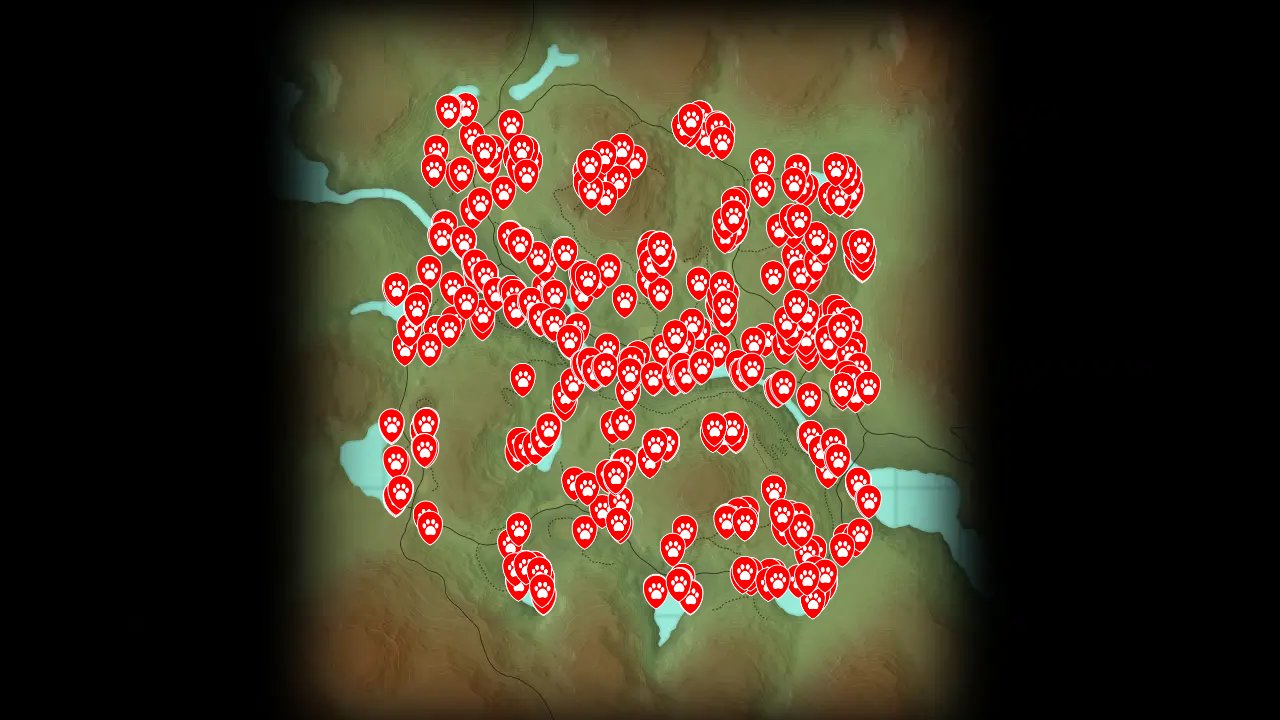
Huntable Animals form the core gameplay experience in theHunter: Call of the Wild, representing the diverse wildlife species you’ll pursue across Spain’s hunting reserves. Each species has unique behavior patterns, preferred habitats, and specific hunting requirements that determine your success in the field. The theHunter: Call of the Wild Interactive Map displays precise locations where these animals typically spawn and roam, allowing you to plan hunting routes based on species distribution and terrain features. Understanding animal locations helps you optimize your hunting sessions and target specific species for missions, achievements, or trophy collection.
What Huntable Animals Are Used For
Huntable Animals drive progression through mission completion, trophy scoring, and skill development as you learn each species’ behavioral patterns and habitat preferences.
- Mission objectives requiring specific animal harvests or trophy scores
- Experience points and skill progression through successful hunts
- Trophy lodge displays and personal achievement tracking
- Unlocking new hunting equipment and weapon customizations
- Cash rewards for selling harvested animals and materials
Huntable Animals Types
Spain’s hunting reserves feature eleven distinct animal species, each occupying specific terrain types and exhibiting unique behavioral traits that affect hunting strategies.
Ronda Ibex
Mountain-dwelling ibex found in rocky, elevated terrain with steep cliffs and sparse vegetation. These agile climbers require precise shooting due to their tendency to flee uphill when startled, making them challenging targets for trophy hunters.Beceite Ibex
Another ibex subspecies preferring rugged mountain environments but with slightly different habitat preferences than their Ronda cousins. They frequent areas with mixed rocky outcrops and scrubland, offering varied hunting approaches.Gredos Ibex
The largest of the Spanish ibex varieties, typically found in high-altitude areas with dramatic elevation changes. Their impressive horn size makes them highly sought after for trophy collections, though their wariness requires patient stalking techniques.Iberian Mouflon
Wild sheep adapted to Mediterranean climates, inhabiting areas with mixed terrain including forests, grasslands, and rocky slopes. Their keen senses and tendency to form herds create opportunities for multiple harvests but demand careful wind management.Iberian Wolf
Apex predators roaming forested areas and mountain valleys, often traveling in packs that present both opportunity and danger. Their intelligence and territorial behavior make them among the most challenging animals to hunt successfully.Southeastern Spanish Ibex
A regional ibex variant occupying specific mountainous zones with unique geological features. They exhibit distinct movement patterns compared to other ibex species, requiring adapted hunting strategies and equipment choices.Wild Boar
Aggressive omnivores inhabiting dense forests and brushland areas throughout the reserves. Their unpredictable nature and potential to charge hunters make them dangerous but rewarding targets with valuable meat and materials.Red Deer
Large cervids preferring mixed woodland and meadow environments where they graze during dawn and dusk periods. Their impressive antlers and substantial size make them premier big game targets requiring powerful rifles.Roe Deer
Smaller deer species favoring forest edges and areas with dense cover for quick escape routes. Their alertness and small profile demand precise shot placement, making them excellent practice for improving hunting accuracy.European Hare
Fast-moving small game inhabiting open grasslands and agricultural areas near forest boundaries. Their speed and erratic movement patterns provide challenging shooting opportunities for players developing their skills.Ring-Necked Pheasant
Ground-dwelling birds found in areas with mixed vegetation including crops, grasslands, and light woodland. Their ability to burst into flight when threatened requires quick reflexes and appropriate ammunition selection.How to Use the Map Efficiently
Effective hunting requires understanding animal spawn zones and movement patterns to maximize encounters while minimizing travel time between productive hunting areas.
- Focus on elevation changes and terrain transitions where multiple species overlap
- Plan routes connecting water sources, feeding areas, and rest zones for comprehensive coverage
- Use fast-travel points strategically to access distant hunting zones without long walks
- Target time-specific areas based on animal activity periods shown in the hunting pressure data
- Prioritize areas with multiple animal types to complete various missions simultaneously
- Consider wind direction and noise factors when planning approach routes to animal locations
Huntable Animals Locations Table
Reference guide for animal types, rewards, and key hunting considerations.
| Animal Type | Primary Reward | Hunting Challenge |
|---|---|---|
| Ronda Ibex | Trophy horns, experience | Steep terrain navigation |
| Beceite Ibex | Quality meat, cash | Wind detection sensitivity |
| Gredos Ibex | Premium trophies | Long-range shooting required |
| Iberian Mouflon | Wool materials, meat | Herd behavior management |
| Iberian Wolf | Rare pelts, high experience | Pack hunting dynamics |
| Southeastern Spanish Ibex | Regional trophies | Specific habitat requirements |
| Wild Boar | Abundant meat, materials | Aggressive charge behavior |
| Red Deer | Large antlers, substantial meat | Powerful rifle necessity |
| Roe Deer | Precision shooting practice | Small target profile |
| European Hare | Speed shooting training | Erratic movement patterns |
| Ring-Necked Pheasant | Feathers, small game meat | Flight burst reactions |
Tips for Huntable Animals Hunting
- Study animal need zones during scouting to predict movement patterns and optimal ambush points
- Carry appropriate ammunition types for different animal sizes to ensure clean, ethical harvests
- Use caller equipment specific to target species to attract animals within effective shooting range
- Monitor wind direction constantly as most species will detect your scent and flee immediately
- Practice shot placement on smaller species to improve accuracy before attempting larger, more valuable targets
- Save hunting pressure maps to track disturbed areas and plan alternative routes for subsequent hunts
FAQs
Which Huntable Animals are best for beginners?
European Hare and Ring-Necked Pheasant offer excellent starting points due to their abundance and forgiving shot placement requirements, helping new hunters develop fundamental skills.
What time of day is best for hunting most animal species?
Dawn and dusk periods typically show the highest animal activity as most species move between feeding and resting areas during these transition times.
How do I find rare trophy-class animals?
Trophy animals typically spawn in remote areas with low hunting pressure, requiring patience and multiple visits to specific zones while maintaining minimal disturbance to the environment.
Can I hunt multiple animal types in the same area?
Many hunting zones feature overlapping habitats where different species coexist, allowing efficient multi-target hunting sessions with proper equipment and ammunition selection.
Credit: theHunter: Call of the Wild by Wand