Stellar Blade Interactive Maps
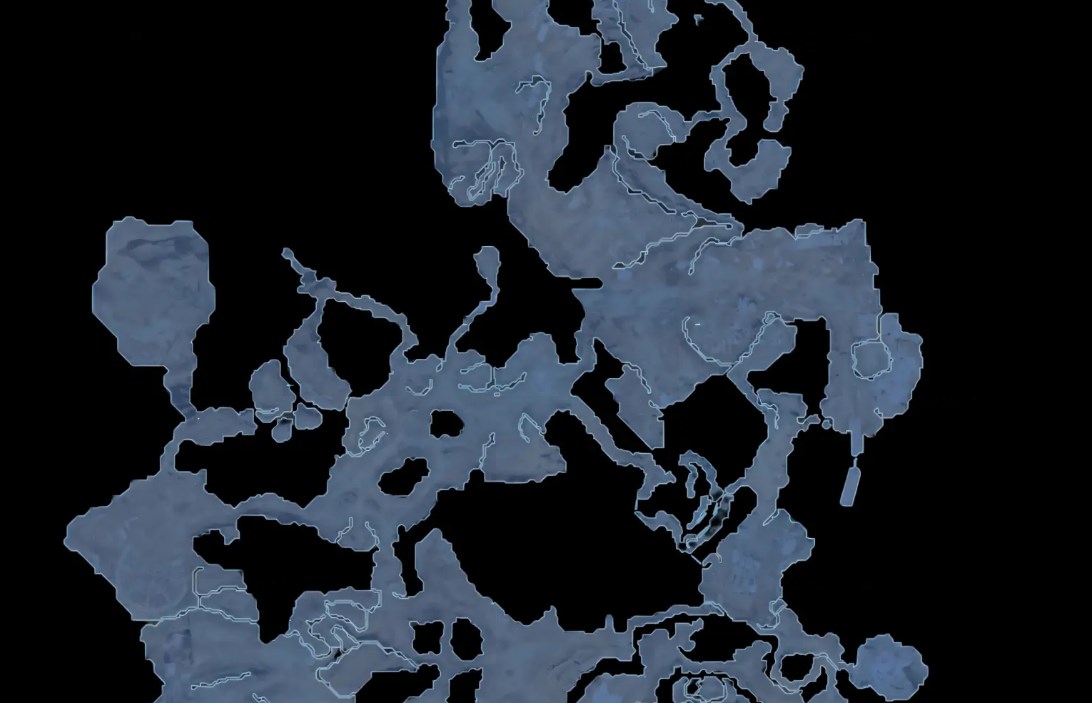
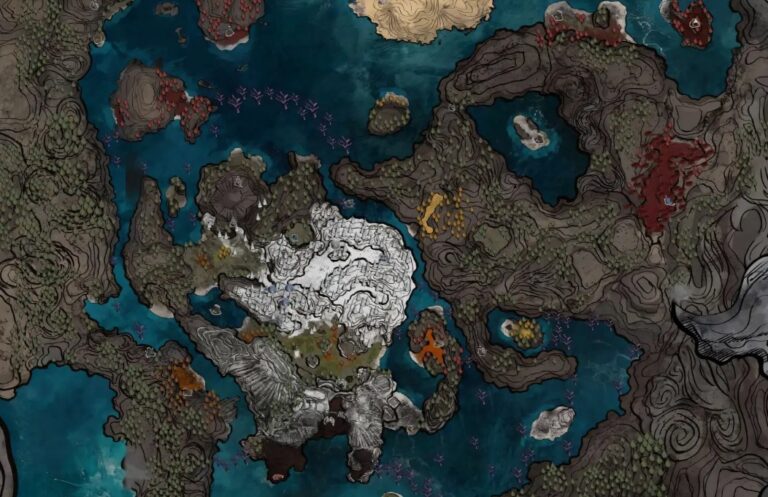
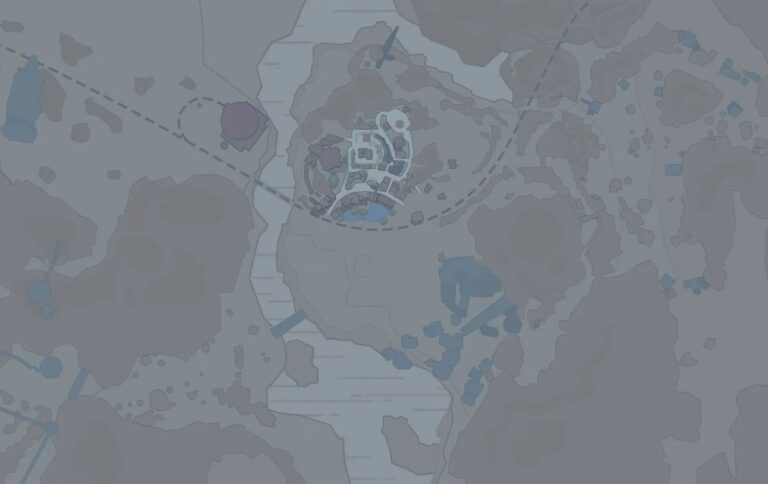
The Stellar Blade Map on this page brings together every major open area into one complete view. Since it works as a full Stellar Blade Interactive Map, it covers Xion, Wasteland, and Great Desert as a single all-in-one experience. Each region has its own tone and purpose, but progression flows between them, so seeing everything together makes the game much easier to understand and finish cleanly.
Xion acts as the story and character hub, packed with NPCs, side missions, and data entries. Wasteland opens things up with combat-heavy exploration, resource gathering, and traversal tools. Great Desert pushes that even further, layering in large-scale exploration, late-game collectibles, and DLC content. Treating all three maps as one unified world helps you track missions, hunt collectibles, and clean up databank entries without bouncing mentally between zones.
How to Use the Stellar Blade Maps
- Characters include NPCs and Naytibas across all regions
- Collectibles cover Cans, Supply Boxes, Photos, and Cores depending on the area
- Data Bank includes Documents, Memorysticks, and Passcodes
- Main Plot tracks Main Missions tied to story progression
- Subplot includes Side Missions spread across regions
- Points of Interest highlight Camps, Fast Travels, Paths, Machines, Bulletin Boards, Rope Lifts, Fishing Spots, Structures, and regional landmarks
- Additional Contents includes Stellar Tears and Lost Items from DLC content in the Great Desert
What the Map Can Do
Seeing Regional Roles Clearly
Looking at Xion, Wasteland, and Great Desert together makes their roles obvious. Xion is dense and focused. NPCs, Side Missions, Documents, and Bulletin Boards cluster tightly, which makes it the backbone for story context and character-driven content. It’s where a lot of narrative threads start, and seeing all Main Missions and Subplots laid out helps you pace the story without missing optional content.
Wasteland shifts the focus toward survival and exploration. Supply Boxes, Memorysticks, Cores, and Machines appear in higher numbers, and traversal features like Camps, Fast Travels, Paths, and Rope Lifts shape how you move through the space. Naytibas placements help signal combat hotspots, while Fishing Spots and Machines add variety to exploration loops.
Great Desert expands everything further. Larger counts of Supply Boxes and Memorysticks reward thorough exploration, while Camps and Fast Travels become essential landmarks across wide open terrain. DLC items like Stellar Tears and Lost Items integrate naturally into the environment, making the region feel like an extension of late-game progression rather than a separate mode.
Collectibles, Data, and Progress Tracking
Completion in Stellar Blade leans heavily on data collection, and the all-in-one map makes that manageable. Cans and Photos act as light exploration rewards, often encouraging you to revisit areas with fresh eyes. Supply Boxes and Cores tie directly into upgrades, so knowing their distribution across regions helps prioritize where to explore next.
Documents, Memorysticks, and Passcodes form the backbone of the Data Bank. Xion holds a large share of narrative documents, while Wasteland and Great Desert spread Memorysticks more aggressively across combat zones and hidden paths. Seeing these together helps prevent late-game frustration when you are missing just one or two entries.
Side Missions also benefit from this combined view. Many Subplots start in Xion but pull you into Wasteland or Great Desert. With all regions visible at once, it becomes easier to understand how these quests flow through the world instead of feeling disconnected.
Exploration Flow and Late Game Cleanup
Traversal tools and Points of Interest shape how each region feels to explore. Camps act as natural checkpoints, Fast Travels outline efficient routes, and Paths quietly guide you through otherwise overwhelming spaces. Machines often double as interaction points and landmarks, especially in Wasteland and Great Desert.
Late-game cleanup is where the all-in-one approach really pays off. Instead of guessing which region still has missing Cans, Memorysticks, or Supply Boxes, you can focus on specific categories and areas. Maybe Xion still has a couple of Side Missions or Documents. Maybe the Great Desert is missing a few Cores or DLC items. Having everything treated as one connected world keeps completion focused and realistic, rather than feeling like three separate checklists.
Map Table
Here’s a quick snapshot of how content is distributed across regions.t how content is split across both maps.
| Category | Example | Region |
|---|---|---|
| Side Missions | NPC Subplot | Xion |
| Supply Boxes | Upgrade Resource | Wasteland |
| Memorysticks | Data Entry | Great Desert |
| Camps | Checkpoint Area | All Regions |
| Stellar Tears | DLC Collectible | Great Desert |
FAQs
Does this include all Stellar Blade maps
Yes, Xion, Wasteland, and Great Desert are all covered together as one Stellar Blade Map.
Are collectibles tracked across every region
All Cans, Supply Boxes, Photos, Cores, and DLC collectibles are included where they appear.
Where is most story content located
Xion holds the highest concentration of NPCs, Main Missions, Side Missions, and Documents.
Which region is best for upgrades and resources
Wasteland and Great Desert contain the largest number of Supply Boxes, Cores, and Memorysticks.
Is this the full Stellar Blade Interactive Map
It is. All major categories, regions, and progression content are included in this all-in-one guide.
Credit: Stellar Blade Maps by Wand