My Time at Sandrock Interactive Map
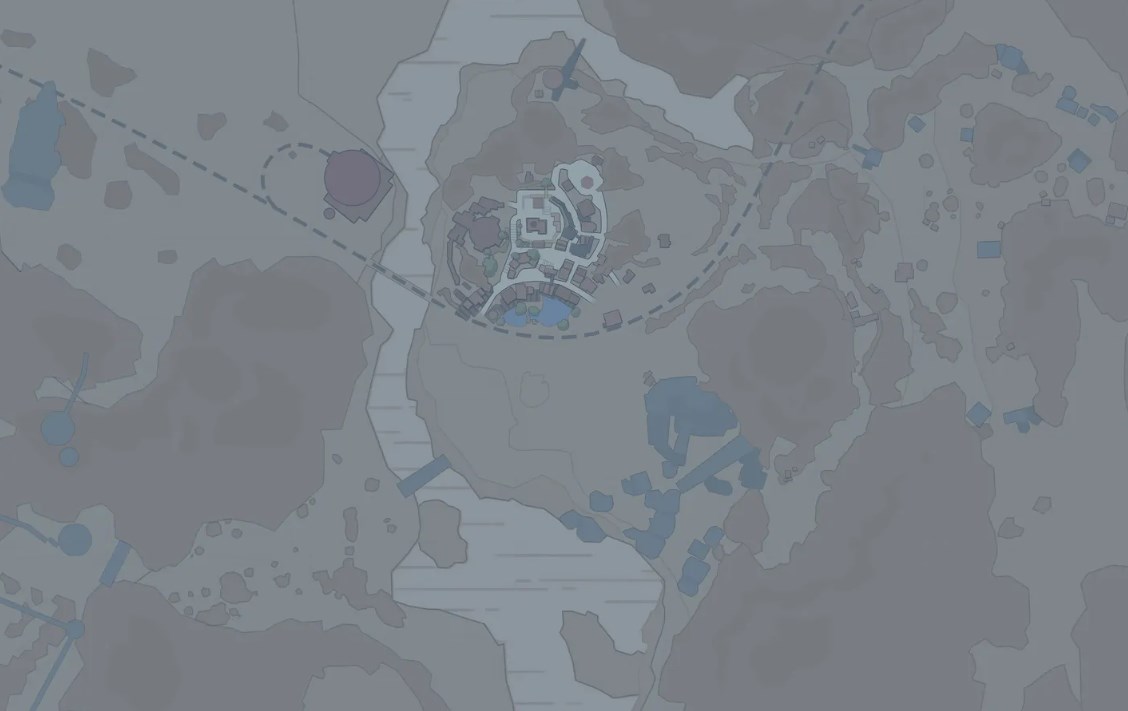
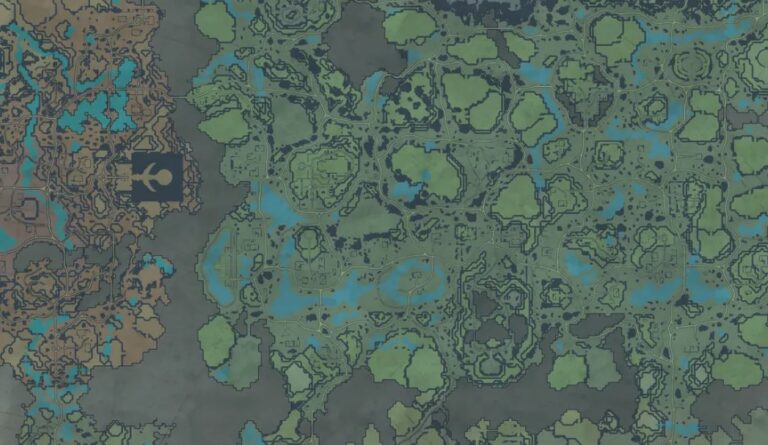
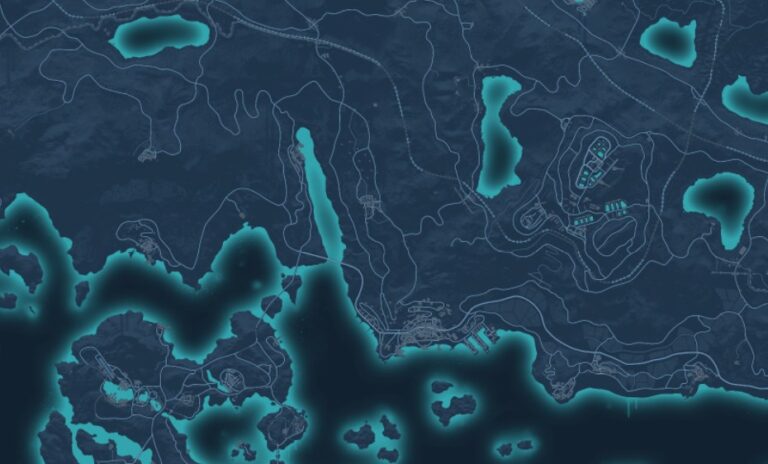
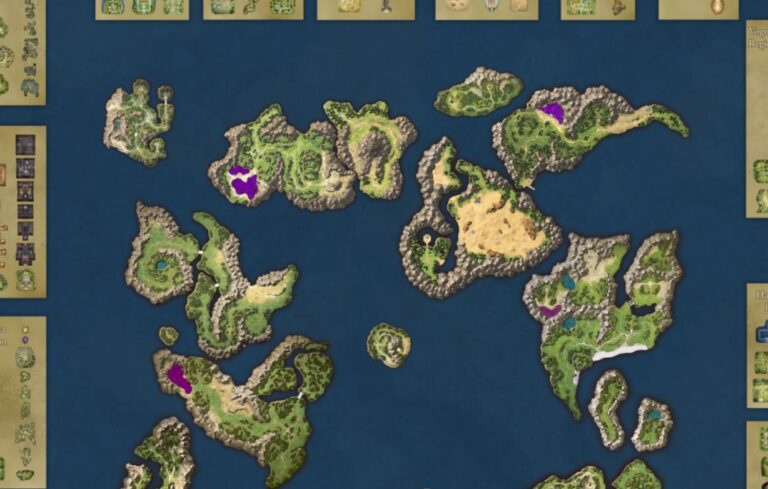
The My Time at Sandrock Map for the Eufaula Desert shows how resources, enemies, scrap piles, plants and collectibles appear across the region. Since it also functions as a My Time at Sandrock Interactive Map, it highlights where players can gather ores, harvest plants, track enemies or explore for useful materials. The Eufaula Desert is a huge space built around scavenging, combat, farming and crafting, and having all category types visible in one place makes it easier to manage routes and gather the materials needed for workshop upgrades. Because this region mixes natural deposits, enemy territories and scattered scrap, the combined map helps players understand how the desert supports progression in different ways. Whether you are searching for Granite, looking for Sisal Trees, hunting Scorpsters or exploring for chests, the map provides a complete picture of Eufaula Desert’s resources.
How to Use the My Time at Sandrock Maps
- Tree and plant categories include Acacia Tree, Alfalfa, Bitterbean, Cat’s Whiskers, Cistanche, Dracaena, Dry Boxtree, Illusion Tree, Large Deadwood, Mountain Rose, Needle Stonecrop, Oregano, Pepper, Rosemary, Rutabaga, Sisal Tree, Undead Grass, Wood Scrap and Yellow Lavender.
- Mineral and gemstone categories include Agate, Aluminum Scrap, Animal Bones, Ceramic Scrap, Copper Scrap, Fiber Scrap, Gold, Granite, Hard Rock, Lapis Lazuli, Limestone, Moonstone, Opal, Plastic Scrap, Rosestone, Rubber Scrap, Spinel, Stone Scrap, Sulfur and Titanium Scrap.
- Enemy categories include Pensky, Boxing Jack, Tripion, Hopper, Viper, Rockyenaroll, Fiend, Plierimp, Doom Shroom, Scorpster and Shellipede.
- Collectibles include Chests scattered throughout the desert.
- These categories support crafting, farming, exploration and combat progression across the Eufaula Desert.
What the Map Can Do
Regional Coverage Overview
The Eufaula Desert is a large region with mineral fields, plant clusters, enemy habitats and scrap deposits that support long-term workshop development. Granite and Hard Rock appear in large numbers and act as the backbone of stone gathering. Gold, Lapis Lazuli, Spinel, Moonstone and Opal appear less frequently and help with advanced crafting. Limestone, Sulfur and Copper Scrap support early and mid-game production. Stone Scrap, Fiber Scrap, Aluminum Scrap, Plastic Scrap and Titanium Scrap guide players through salvage-based resource loops that appear across the landscape.
Flora also plays a large role. Sisal Trees appear widely and are used for several crafting recipes. Bitterbean, Pepper, Oregano and Rosemary show up as everyday cooking or crafting plants. Mountain Rose, Cat’s Whiskers, Cistanche and Undead Grass appear in smaller clusters and support niche recipes. Illusion Trees, Dracaena and Dry Boxtrees appear less often, which encourages travel deeper into the desert. Larger resources like Large Deadwood add reliable wood gains. Combined, these plant categories help define where players should gather specific ingredients.
Enemy categories shape risk across the region. Pensky and Boxing Jack appear in defined territories. Tripion, Hopper and Viper create mid-level enemy zones that require preparation. Rockyenaroll, Fiend and Plierimp offer more dangerous encounters. Doom Shroom, Scorpster and Shellipede appear across multiple zones and influence traversal decisions. Because enemies inhabit different parts of the desert, the map helps players understand which regions suit their current gear level.
Resource, Scrap and Harvesting Distribution
Mineral deposits support progression across different crafting tiers. Granite appears in very high numbers and is one of the most consistent stone sources. Hard Rock requires stronger tools and yields advanced materials. Gold and Rosestone provide rare drops that appear in small pockets. Spinel, Lapis Lazuli, Moonstone and Opal offer gemstone-based crafting and come from specific nodes. Sulfur and Limestone appear in mid-tier routes and guide players through steady crafting loops. Titanium Scrap and Aluminum Scrap help with later game upgrades.
Scrap piles form a major part of the world. Plastic Scrap, Copper Scrap, Ceramic Scrap, Rubber Scrap, Fiber Scrap and Stone Scrap appear throughout the desert and support recycling-based crafting. Because scrap categories appear in clear clusters, gathering runs become easier to plan. Players can travel through metal-rich zones for Aluminum or head toward mixed scrap pockets for Plastic, Rubber or Ceramic.
Plant distribution shapes cooking, herbal crafting and farming. Bitterbean, Oregano, Pepper and Rosemary appear in consistent areas and support food recipes. Mountain Rose, Cat’s Whiskers and Cistanche appear in smaller zones tied to specialty items. Sisal Trees appear frequently and support rope crafting, which is useful for construction and workbench items. Undead Grass and Needle Stonecrop reflect more unusual plant types and appear in themed biomes.
Collectibles also add a layer of exploration. Chests appear throughout the Eufaula Desert and reward exploring corners, ridges and structures. These can contain valuable materials, currency or crafting components.
Exploration Flow, Combat Planning and Late Game Value
The My Time at Sandrock Interactive Map helps players plan efficient gathering loops that combine minerals, enemies and plants. Because Granite, Hard Rock and Spinel appear in predictable clusters, early and mid-game gathering becomes straightforward. Gold, Moonstone and Opal nodes guide players into more remote or enemy-heavy zones. Plants like Pepper, Bitterbean and Rosemary help with regular cooking, while rare plants like Mountain Rose or Cat’s Whiskers support specialty recipes.
Enemy placements help shape safe and dangerous travel paths. Pensky and Boxing Jack offer early threats. Tripion, Hopper and Viper encourage more careful exploration. Rockyenaroll, Fiend and Plierimp appear in areas suited for stronger gear. Doom Shroom, Scorpster and Shellipede add challenge at mid to late stages. Because enemies influence travel speed and safety, the map supports planning based on player level and equipment.
Scrap-based routes support players who rely heavily on recycling. Plastic Scrap, Aluminum Scrap and Titanium Scrap guide late-game production, while Ceramic Scrap and Copper Scrap support early crafting loops. Wood Scrap and Large Deadwood help players manage lumber needs for workshop upgrades.
Together, all categories create a picture of the desert as a resource-rich, enemy-filled space where planning and travel matter. The map helps players decide when to gather, when to fight and when to journey into deeper areas for rare materials.
Map Table
Here is a quick overview of several important categories in My Time at Sandrock.
| Category | Example Item | Type |
|---|---|---|
| Granite | Stone Deposit | Mineral |
| Sisal Tree | Fiber Plant | Plant |
| Fiend | Enemy Encounter | Enemy |
| Chest | Loot Container | Collectible |
| Spinel | Gemstone Node | Mineral |
FAQs
Does this map include all resource nodes
Yes. All minerals, scrap types and gemstones in the Eufaula Desert appear on the map.
Where can I find enemies like Fiend or Tripion
Enemy territories are marked across the region and show where each type is commonly found.
Do plants like Oregano or Bitterbean appear everywhere
They appear in consistent clusters, and the map shows their exact distribution.
Are chests included
Yes. All chest locations are included in the Collectibles category.
Is this the full My Time at Sandrock Map
Yes. Every category across the entire Eufaula Desert is represented.
Credit: My Time at Sandrock Map by Wand