Ghost of Tsushima Interactive Map
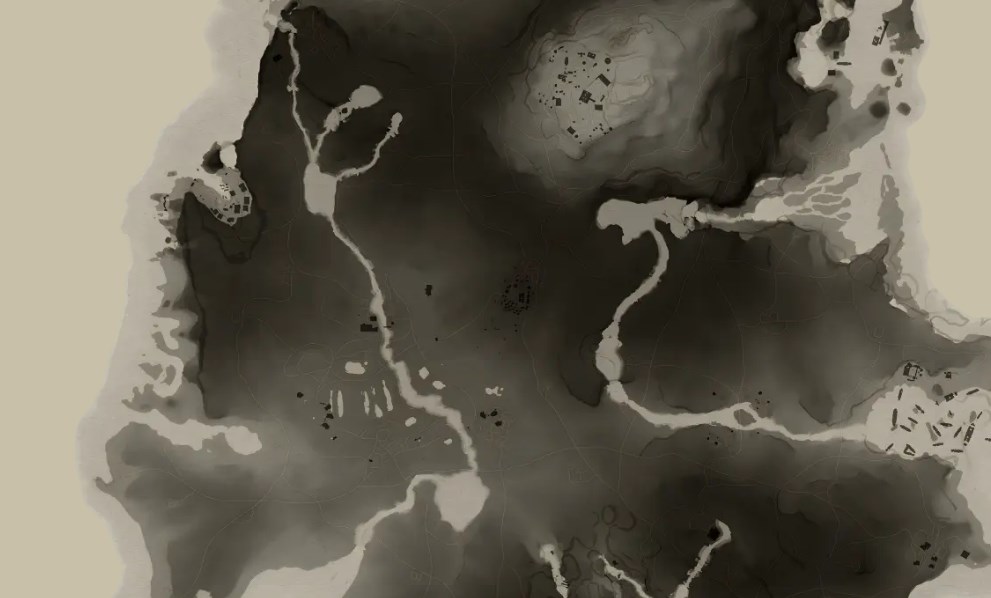
The Ghost of Tsushima DIRECTOR’S CUT Map brings the entire experience together in one place. As a full Ghost of Tsushima DIRECTOR’S CUT Interactive Map, it covers both Tsushima and Iki Island as a single connected world. Even though they’re separate regions, progression, exploration, and completion all flow between them, so treating this as one all in one map just makes sense.
Tsushima forms the heart of the game, with large stretches of countryside, towns, strongholds, and story-driven locations. Iki Island adds a tighter, more experimental layer with new activities, wildlife sanctuaries, memories, and Tales of Iki. When you see everything together, it becomes much easier to balance main story progress with exploration, collectibles, and side content without feeling pulled in too many directions.
How to Use the Ghost of Tsushima Maps
- Artifacts include Mongol Artifacts, Records, Records of Iki, Sashimono Banners, Singing Crickets, Sakai Banners, and Vanity Gear
- Exploration includes Bamboo Strikes, Duels, Haiku, Hidden Altars, Hot Springs, Inari Shrines, Lighthouses, Pillars of Honor, Shinto Shrines, Wind Shrines, Archery Challenges, Memories, and animal Sanctuaries
- Locations include Towns, Temples, Survivor Camps, Strongholds, Outposts, Farmsteads, Locations, and Points of Interest
- Services include Armorers, Bowyers, Dye Merchants, Gift Altars, Merchants, Swordsmiths, and Trappers
- Tales include Jin’s Journey, Mythic Tales, Side Tales, Unwritten Tales, and Tales of Iki
- Other includes Miscellaneous world interactions
What the Map Can Do
Seeing Tsushima and Iki as One World
Looking at Tsushima and Iki Island together highlights how differently they’re designed. Tsushima is broad and methodical. Exploration activities like Hot Springs, Bamboo Strikes, Haiku, and Inari Shrines are spread wide, encouraging long rides through fields, forests, and mountains. Strongholds, Outposts, and Survivor Camps create a clear sense of territory and conflict, while Towns and Temples act as safe anchors between fights.
Iki Island feels denser and more experimental. Activities like Cat, Deer, and Monkey Sanctuaries, Memories, and Wind Shrines add variety and story flavor. Duels and Mythic Tales on Iki are tighter and more personal, often pushing skill mastery rather than map control. Seeing both regions together makes it obvious when you want slow exploration versus focused challenges.
Collectibles, Progression, and Power Growth
Collectibles are a huge part of Ghost of Tsushima, and the all in one map makes tracking them far less painful. Sashimono Banners, Singing Crickets, Mongol Artifacts, and Records fill Tsushima and reward thorough exploration. Vanity Gear ties directly into visual customization, which makes hunting it down feel worthwhile beyond pure completion.
Iki Island adds Sakai Banners and Records of Iki, which plug into its own narrative arc. Pillars of Honor, Shinto Shrines, and Wind Shrines connect directly to combat growth and charm upgrades, so knowing where they sit helps you plan power spikes instead of stumbling into them randomly.
Because everything is visible together, you can decide whether to focus on strength, story, or style at any point in the game.
Tales, Services, and Late Game Cleanup
Tales are the backbone of narrative progression. Jin’s Journey and Side Tales dominate Tsushima, weaving character arcs across the island. Mythic Tales unlock powerful abilities and gear, often tied to unique landmarks and duels. On Iki, Tales of Iki and Unwritten Tales add a more reflective tone, filling in Jin’s past while offering new rewards.
Services play a quieter but important role. Armorers, Swordsmiths, Bowyers, and Trappers tend to sit near Towns or Camps, shaping natural resupply routes. Dye Merchants and Gift Altars feed into customization and charm systems, making exploration feel consistently rewarding.
Late game cleanup is where the combined map really pays off. Instead of guessing whether you missed a Banner on Tsushima or a Memory on Iki, you can focus on categories and sweep regions with purpose. What starts as an overwhelming checklist turns into a calm, methodical wrap up of the world.
Map Table
Here’s a quick snapshot of how content is spread across both regions.
| Category | Example | Region |
|---|---|---|
| Inari Shrine | Charm Upgrade Path | Tsushima |
| Mythic Tale | Legendary Technique | Both |
| Sakai Banner | Clan Collectible | Iki Island |
| Hot Spring | Health Upgrade | Tsushima |
| Animal Sanctuary | Exploration Activity | Iki Island |
FAQs
Does this include both maps in Director’s Cut
Yes, Tsushima and Iki Island are fully included as one Ghost of Tsushima DIRECTOR’S CUT Map.
Are all collectibles shown
All artifacts, banners, records, vanity gear, and exploration collectibles across both regions are included.
Where should I focus early on
Tsushima is best early for upgrades and story flow, while Iki Island fits better after you’ve built confidence and gear.
Are Mythic Tales included for both regions
Yes, all Mythic Tales across Tsushima and Iki Island are covered.
Is this the full Ghost of Tsushima DIRECTOR’S CUT Interactive Map
It is. Every major category and region is included in this all in one guide.
Credit: Ghost of Tsushima by Wand