Every Salt Location In Subnautica 2
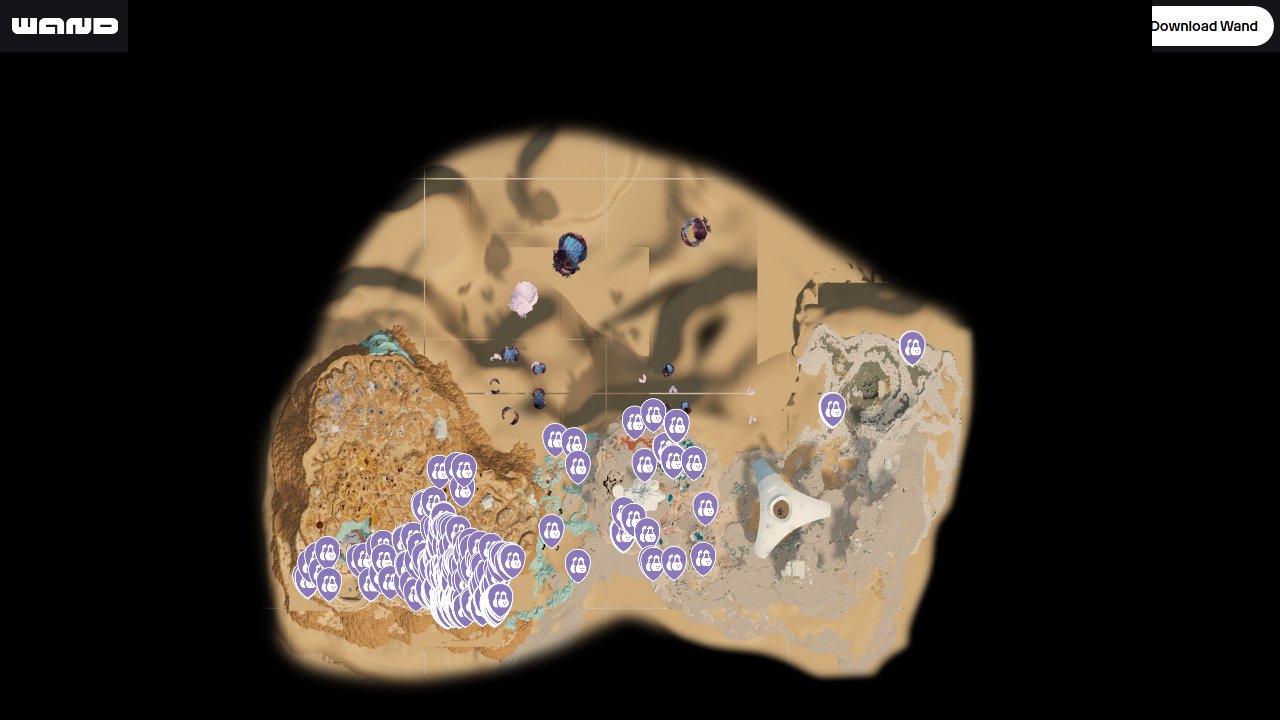
Salt serves as a fundamental crafting resource in Subnautica 2, essential for creating food preservatives and advanced technological components. Finding consistent salt sources becomes crucial as you establish deeper bases and plan extended exploration missions. The Subnautica 2 Interactive Map reveals every salt deposit location across the ocean floor, from shallow reef formations to deep-sea thermal vents. This targeted view eliminates guesswork when planning resource gathering routes, ensuring you never run short of this vital mineral during critical crafting sessions.
What Salt Are Used For
Salt functions as a key ingredient in food preservation systems and water filtration technology. Without adequate salt reserves, your survival capabilities become severely limited in extended underwater expeditions.
- Preserve cooked fish and other perishables for long-term storage
- Craft water filtration systems that convert seawater into drinkable water
- Create specialized nutrient blocks for emergency food supplies
- Manufacture advanced electronics components requiring mineral catalysts
- Process certain raw materials that demand salt-based chemical reactions
Salt Types
Different salt formations provide varying quantities and purities depending on their geological source.
Crystalline Salt Deposits
Large crystal formations found in cave systems and deep trenches offer the highest salt yields. These deposits regenerate slowly but provide substantial quantities when harvested.
Sedimentary Salt Patches
Smaller accumulations scattered across the ocean floor in areas with strong currents. These patches regenerate quickly but yield smaller amounts per harvest cycle.
Thermal Vent Salt
Concentrated salt formations near underwater volcanic activity contain trace minerals. These specialized deposits are essential for advanced crafting recipes requiring enhanced salt compounds.
How to Use the Map Efficiently
Salt gathering requires strategic planning since deposits are scattered across diverse biomes with varying accessibility and regeneration rates.
- Target thermal vent areas first for high-concentration deposits near your main base
- Mark sedimentary patches along your regular exploration routes for quick collection
- Establish supply caches near crystal formations in deeper areas before major expeditions
- Plan collection runs during daylight hours when visibility improves in darker biomes
- Combine salt gathering with other resource collection to maximize efficiency
- Use vehicles with large storage capacity when targeting distant crystalline deposits
Salt Locations Table
Key salt sources organized by type and strategic value for base planning.
| Salt Type | Best Locations | Yield Rating |
|---|---|---|
| Crystalline Deposits | Deep Cave Networks | High |
| Sedimentary Patches | Shallow Reef Systems | Medium |
| Thermal Vent Salt | Volcanic Regions | Very High |
| Surface Evaporation | Tidal Pool Areas | Low |
| Concentrated Brine | Deep Ocean Trenches | High |
Tips for Salt Hunting
- Bring multiple storage containers when targeting large crystalline formations
- Check thermal vents regularly as they produce the most valuable salt variants
- Harvest sedimentary patches frequently since they regenerate faster than other types
- Use scanner tools to identify salt composition before committing to deep dives
- Establish beacon networks near major salt sources for easy navigation
- Monitor your salt inventory before embarking on extended exploration missions
FAQs
How often do salt deposits regenerate in Subnautica 2?
Sedimentary salt patches regenerate within 2-3 game days, while crystalline deposits take 5-7 days to fully restore. Thermal vent deposits regenerate continuously but at slower rates.
Which biomes contain the most salt deposits?
Thermal vent regions and deep cave systems contain the highest concentrations of salt deposits. Shallow reef areas offer more frequent but smaller deposits suitable for regular collection.
Can you process seawater directly into salt?
Advanced fabricators can extract salt from seawater, but this process requires significant energy and produces lower yields than harvesting natural deposits. Natural sources remain more efficient for large-scale salt collection.
How much salt should you stockpile for extended expeditions?
Maintain at least 20-30 units of salt for week-long expeditions, with additional reserves if you plan to craft preservation systems or water filtration equipment during the journey.
Credit: Subnautica 2 by Wand