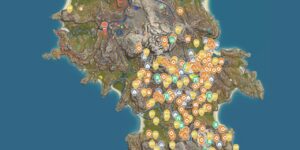
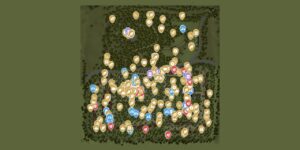
Dead Space Map
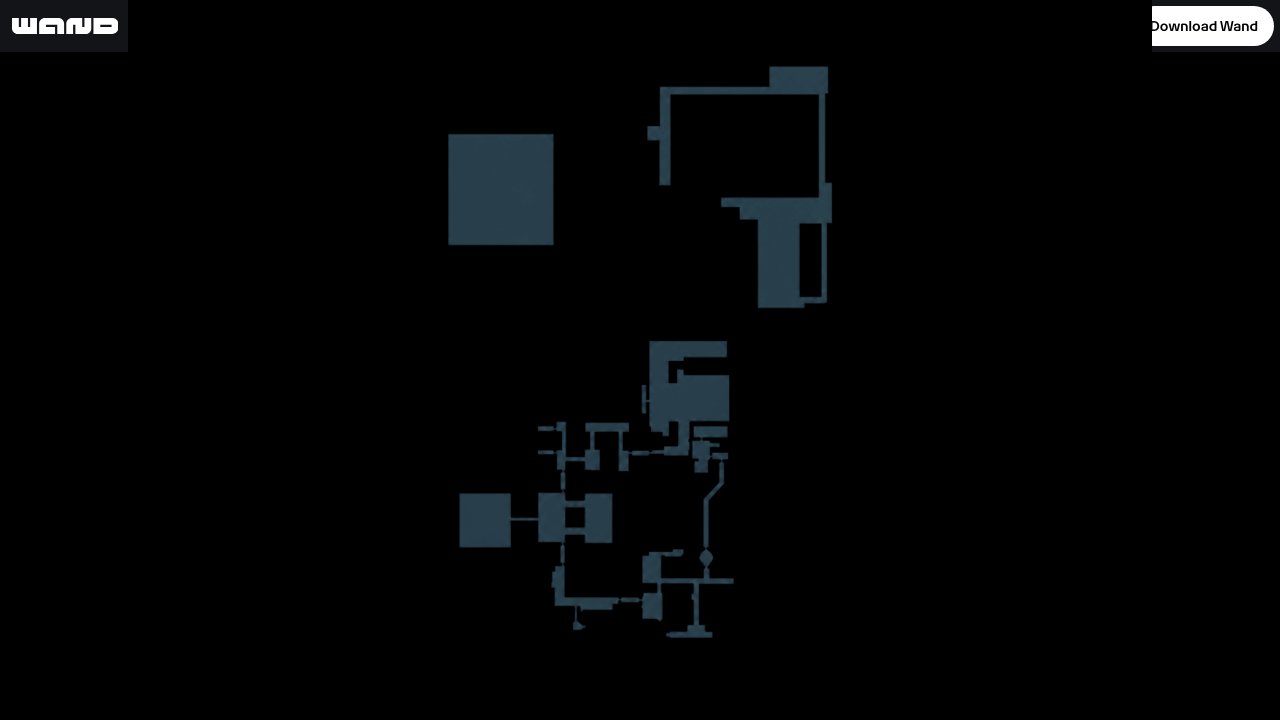
The Dead Space Map on GameMappers.com gives players a complete interactive view of the USG Ishimura, pinpointing every collectible, enemy, secret, NPC, quest objective, and key location across the entire ship. Whether you’re hunting down the last audio log or trying to navigate the brutalist corridors without missing critical items, this tool transforms a notoriously disorienting environment into a structured, trackable experience. Dead Space’s interconnected ship design rewards thorough exploration, and having every marker clearly laid out makes the difference between a blind run and a confident, complete playthrough.
Dead Space is a game that punishes careless rushing. Collectibles are tucked behind environmental puzzles, enemies patrol in ways that catch unprepared players off guard, and quests branch through areas you may have already left behind. The Dead Space Map addresses all of this by giving you real-time visual reference for every category that matters, from story-critical quest markers to hidden secrets that most players miss entirely on their first run. It works as both a pre-exploration planning tool and a live companion while you navigate each chapter.

How to Use the Dead Space Map
Locations and Quests: The Locations and Quests categories form the backbone of the interactive map. Locations mark every significant area aboard the Ishimura, helping you orient yourself within the ship’s complex, multi-deck layout. Quest markers show you exactly where objectives are, which is essential in a game where mission instructions can feel vague against the backdrop of constant threats.
Enemies and NPCs: The Enemies category plots out where hostile encounters are positioned, letting you approach dangerous sections with a clear tactical picture rather than stumbling into ambushes. NPC markers highlight every character interaction point on the ship, ensuring you never miss a critical conversation or story beat that feeds into the larger narrative.
Collectibles and Secrets: The Collectibles and Secrets categories are where the map delivers the most value for completionists. Audio logs, text logs, and hidden items are scattered throughout areas that demand backtracking, and the map tracks your progress so you know exactly what you’ve found and what still needs attention. Secrets go beyond standard collectibles, flagging locations that reward curiosity with meaningful gameplay discoveries.
What the Dead Space Map Can Do
Eliminate Backtracking Confusion
The Ishimura is an intentionally labyrinthine space, designed to disorient players as they move between decks and departments. The interactive map removes that disorientation by giving you a clear overhead reference for every location and transition point. Instead of wandering hallways hoping to stumble onto your objective, you navigate with purpose, saving time and reducing unnecessary encounters with enemies you’ve already dealt with.
Lock Down 100% Collectible Completion
Dead Space hides its collectibles with deliberate care. Audio logs disappear if you progress past certain points, and text logs blend into the environmental detail of the ship’s grim corridors. Using the Collectibles markers lets you cross-reference your inventory against every known item location, chapter by chapter, so you reach the endgame without realizing too late that you missed something irretrievable. This is the single most practical use of the map for players chasing full completion.
Plan Routes Around Enemy Positions
The Enemies category gives you advance knowledge of where Necromorphs are positioned before you walk into a room. This is especially useful on higher difficulty settings, where resource management determines survival. Knowing what you’re about to face lets you decide whether to engage, conserve ammunition, or use a specific weapon loadout rather than reacting blindly in a tight corridor with limited health.
Track Quests Across Revisited Areas
Several of Dead Space’s quests require you to return to areas you’ve already cleared, often hours after your initial visit. The Quests markers keep your objectives visible across the full map so you always know which area needs attention next and which side objectives you’ve left incomplete. This prevents the frustrating experience of finishing the game and realizing a quest went unresolved because the trigger location wasn’t obvious.
Uncover Secrets That Reward Thorough Players
The Secrets category flags locations that exist outside the standard collectible and quest systems, rewarding players who push beyond the critical path. These markers point to areas and interactions that many players complete the game without ever finding, adding replay value and depth to a story that already benefits from multiple playthroughs. Tackling these locations with the map open ensures nothing meaningful slips past you.
Dead Space Map Overview
A quick reference for the key features of this interactive map.
| Category | Example | Why It Matters |
|---|---|---|
| Collectibles | Audio logs, text logs | Many are missable and tied to specific chapters, making tracking essential for full completion |
| Secrets | Hidden rooms and off-path discoveries | Secrets exist outside standard objectives and reward players who explore thoroughly |
| Enemies | Necromorph spawn positions | Knowing enemy placement in advance supports resource planning on higher difficulties |
| Quests | Chapter-specific mission triggers | Quest markers prevent missed objectives in areas that require multi-stage backtracking |
| Locations | Deck transitions, department hubs | The Ishimura’s layout is deliberately confusing, and location markers provide reliable spatial orientation |
Frequently Asked Questions
What does this Dead Space map cover?
The Dead Space Map covers the full interior of the USG Ishimura across all chapters. It includes six marker categories: Collectibles, Quests, Enemies, NPCs, Locations, and Secrets. Every significant item, character interaction, enemy position, and hidden discovery across the entire game appears on a single interactive map.
How does this map help with completion?
The map helps with completion by giving you a visual reference for every collectible, secret, and quest objective in the game. You can filter by category to focus on what you still need, track which markers you’ve visited, and identify items in areas you’re about to revisit – all of which makes achieving full completion far more manageable than relying on memory alone.
Are collectibles included on the map?
Yes, collectibles are a dedicated category on the Dead Space Map. Audio logs and text logs are both marked, including those hidden in easy-to-miss corners of the Ishimura. Since some collectibles are chapter-locked and become permanently unavailable once you progress, having their locations mapped out before you leave an area is critical for players going for complete runs.
Does this map cover progression systems?
The map supports progression directly through its Quests and Locations categories. Quest markers keep your chapter objectives visible regardless of where you are on the ship, and Location markers help you track which areas you’ve visited and which still hold unchecked content. This makes it easier to progress efficiently without losing track of what each section of the Ishimura still has to offer.
Is this Dead Space map complete?
The map covers the full game across all six categories: Collectibles, Quests, Enemies, NPCs, Locations, and Secrets. It represents a comprehensive tool for the entire Dead Space experience from the opening chapter through to the final area of the Ishimura. Players can rely on it for both a first playthrough and subsequent runs targeting higher completion percentages.
Credit: Dead Space Map by Wand