Dead Island 2 Interactive Map
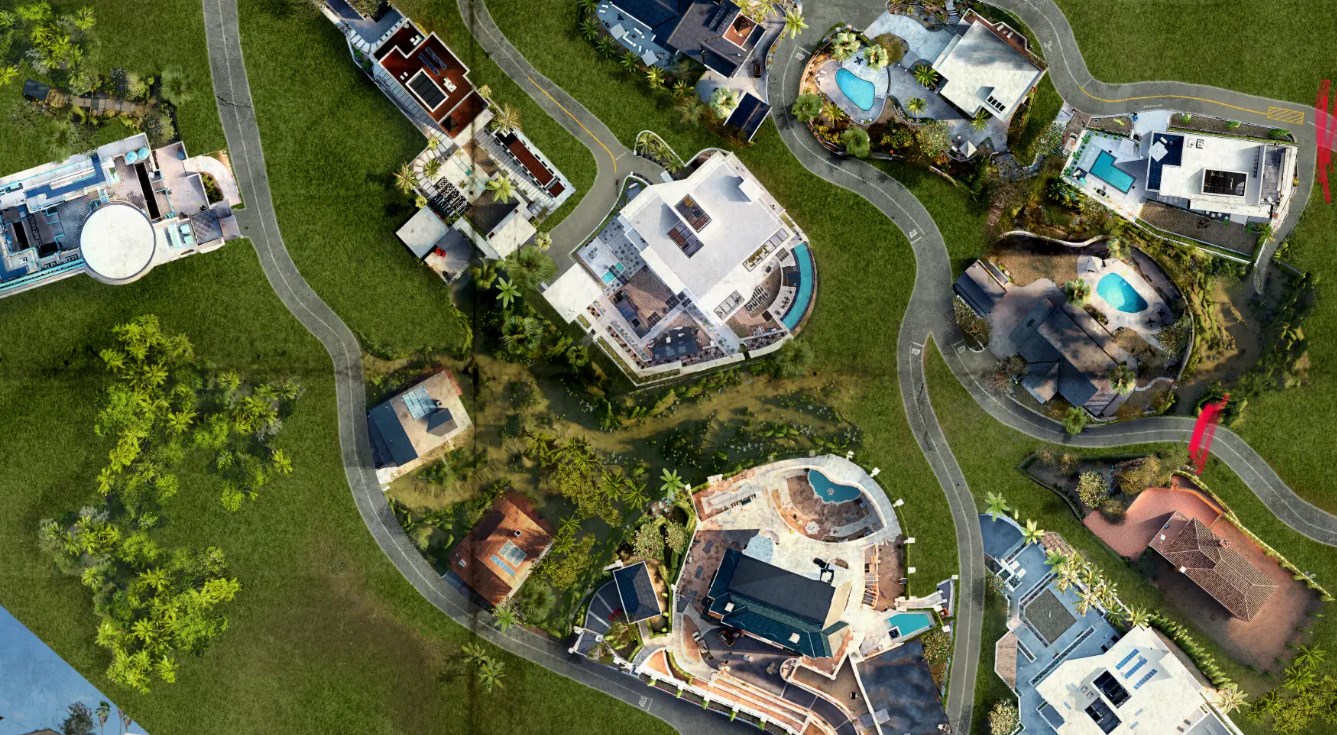
If you’re trying to fully clear the game, this guide covers Dead Island 2 where to find everything across every playable area. That includes Bel-Air, Beverly Hills, Brentwood Sewers, Halperin Hotel, Hollywood Boulevard, Monarch Studios, Ocean Avenue, Santa Monica, Venice Beach, The Metro, plus DLC zones Haus and SoLA. All locations roll into a single Dead Island 2 interactive map, so you can track progression without treating each zone as a separate checklist.
Each map focuses on a dense mix of enemies, loot, story progression, and unlockables. Some areas lean heavier into combat, while others reward exploration and puzzle solving. Because items, keys, and quest objectives often overlap between zones, having everything mapped out together makes cleanup runs much faster.
This guide breaks down what the map contains, how categories relate to progression, and why each type of location matters as you move through Dead Island 2.
How the Dead Island 2 Map Helps With Progression
- Zombies, Apex Zombies, and Bosses show combat density per area
- Weapons, Curveballs, and Workbenches support build planning
- Keys, Locked Chests, and Doors shape exploration routes
- Quest items track both main and side progression
- NPCs and Traders mark safe interaction hubs
- Loot containers support upgrade and crafting loops
- Diaries and Journals flesh out environmental storytelling
- Zone Exits and Travel Maps connect areas cleanly
Locations Across All Dead Island 2 Maps
Dead Island 2 spreads its content deliberately across each zone. Early areas introduce systems gently, while later maps stack objectives closer together to support faster progression. Treating the game as one continuous world helps you understand why some items appear where they do and when it makes sense to come back.
Enemies, Combat, and Difficulty Spikes
Enemy placement defines each area’s pacing. Regular Zombies populate most zones and act as resource drains over time. Apex Zombies spike difficulty and usually guard valuable loot or block progress routes. Boss encounters appear less frequently, but each one anchors a key moment in the story or a major side objective.
Because Apex Zombies cluster differently per map, knowing where they appear helps you decide when to explore versus when to push story progression. Sewer and interior heavy maps like Brentwood Sewers and Halperin Hotel lean harder on tight combat, while open zones balance enemies with exploration.
Loot, Gear, and Upgrade Paths
Lootable containers drive progression. Chests, Zomproof Slayer Hoards, and Disaster Relief Crates often sit behind locked routes, generators, or circuit puzzles. Food and First Aid items support survival pacing, while weapons and Curveballs give constant opportunities to refine your playstyle.
Workbenches act as natural checkpoints for build upgrades. Maps with higher Workbench counts usually support longer combat loops, which makes them ideal for farming parts and testing weapons.
Exploration, Puzzles, and Environmental Progress
Generators, Fuse Boxes, Circuit Breakers, and Breaker Panels form the backbone of Dead Island 2’s environmental progression. These elements open doors, unlock loot routes, and often gate optional areas. Because multiple maps reuse these mechanics, understanding their role early pays off later.
Keys and Locked Chests reward thorough exploration. Many keys tie directly to nearby loot, which encourages methodical clearing instead of rushing objectives. Houses, storage areas, and rare item locations often hide valuable upgrades behind simple exploration checks.
Story, Quests, and World Building
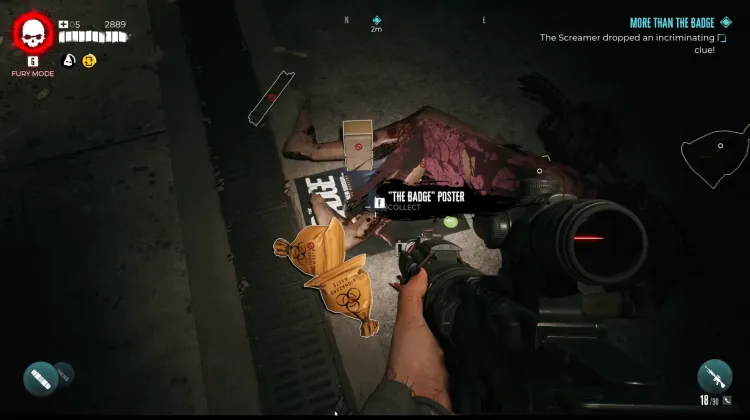
Main Storyline quests push you through new zones, while Side Quests and Lost and Found quests pull you back into older areas. Quest items often overlap with exploration paths, so clearing content naturally stacks progress across multiple categories.
Diaries and Journals fill in the world’s backstory. These entries don’t just add flavor. They often explain why certain locations matter or hint at what happened before the outbreak escalated.
Dead Island 2 Map Categories Table
Here’s a clean overview of the core categories represented across all Dead Island 2 maps.
| Category | Purpose | Gameplay Impact |
|---|---|---|
| Enemies | Zombies, Apex Zombies, Bosses | Combat challenge and progression pacing |
| Equipment | Weapons, Curveballs, Workbenches | Build upgrades and combat variety |
| Lootable Items | Chests, Hoards, Relief Crates | Resource and upgrade acquisition |
| Locations | Doors, Generators, Houses | Exploration and puzzle progression |
| Quests | Main, Side, Lost and Found | Story advancement and rewards |
| Unlockables | Keys, Blueprints, Diaries | Permanent progression and lore |
Dead Island 2 Map FAQs
Does this cover all Dead Island 2 maps?
Yes. This guide covers every base game map plus Haus and SoLA DLC areas.
Does the Dead Island 2 interactive map include quests?
It includes Main Storyline quests, Side Quests, Lost and Found quests, and Quest Items.
Are all loot containers shown?
Yes. Chests, Zomproof Slayer Hoards, and Disaster Relief Crates all appear on the map.
Can the map help with cleanup after finishing the story?
Absolutely. The category layout makes late game cleanup far easier.
Do DLC maps follow the same structure?
Yes. Haus and SoLA use the same category logic as the base game zones.
Credit: Dead Island 2 Map by Wand