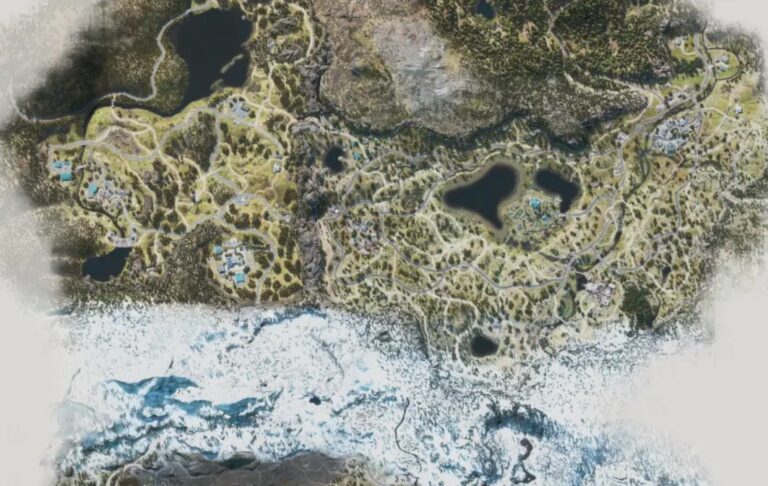
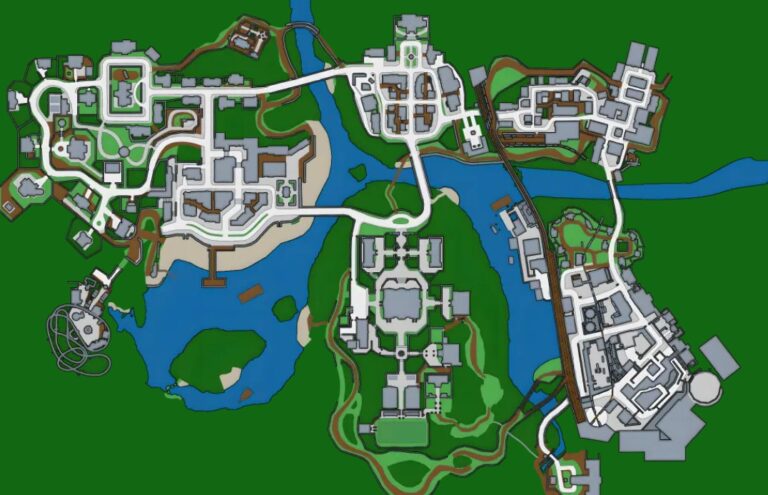
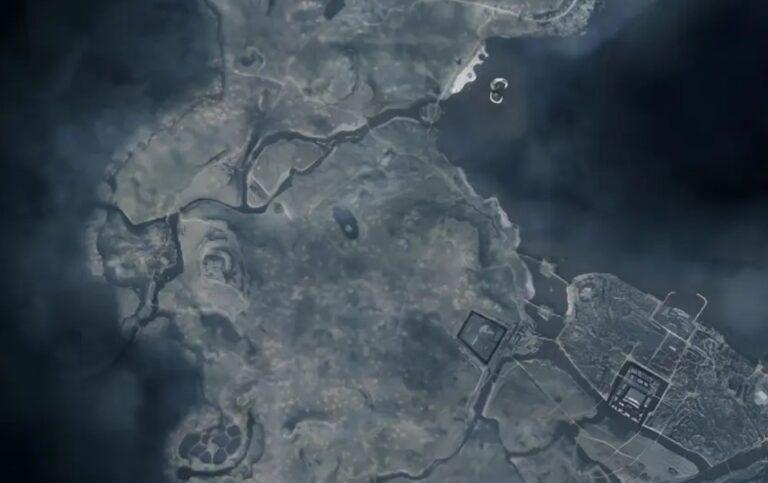
CODE VEIN II Interactive Map
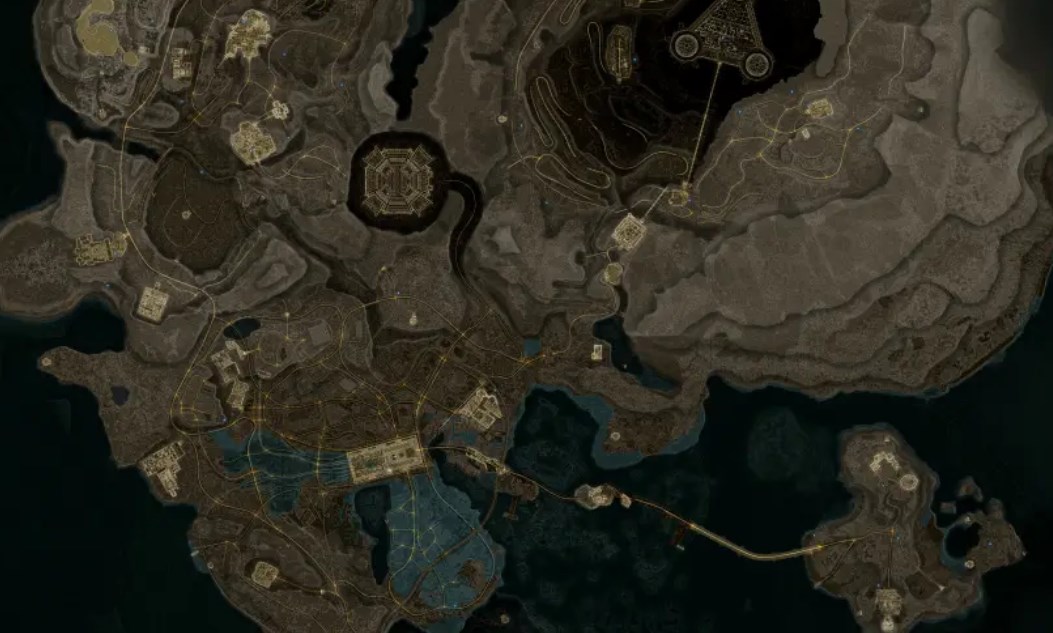
The CODE VEIN II Interactive Map covers the full world map, tracking enemies, loot, exploration tools, NPCs, and progression points in one place. CODE VEIN II leans into tight level design and deliberate traversal, so knowing where mistles, shortcuts, and key items sit makes a real difference to how smoothly the game plays.
Unlike wide open RPGs, CODE VEIN II rewards controlled exploration. Areas loop back on themselves, checkpoints matter, and missing a single upgrade or mistle can make progression harder than it needs to be. This map gives structure to exploration without removing the challenge.
How to Use the CODE VEIN II Map
- Enemies include standard mobs and boss encounters
- Exploration includes Elevators and Map Jammers that affect traversal and navigation
- Locations include Points of Interest, Mistles, Resurrection Monuments, Return Monuments, and Bond locations
- Loot includes Materials, Treasure Chests, Items, Valuables, and Ammo
- NPCs include all interactable characters
- Quests include Main Quests and story progression points
What the Map Can Do
Improve routing and checkpoint control
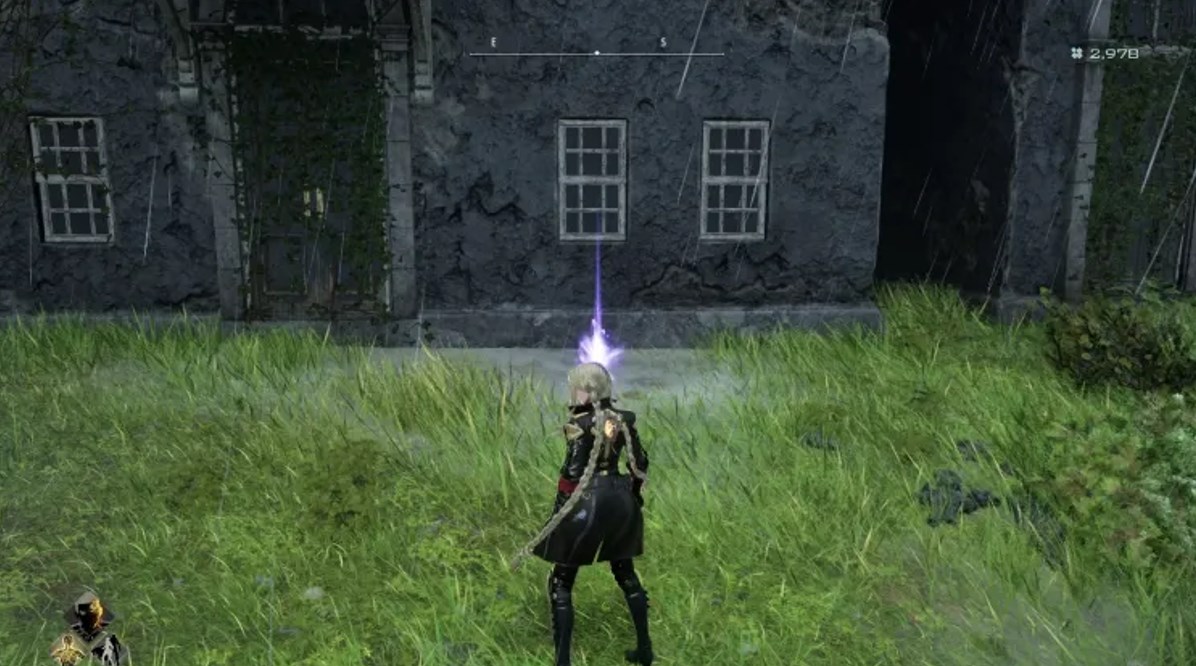
Mistles are the backbone of progression. They act as checkpoints, fast travel nodes, and build management hubs. Seeing all mistle locations helps you decide how deep to push into an area before resetting, especially in zones with limited shortcuts.
Return and Resurrection Monuments also shape risk management. Knowing where they are lets you recover safely instead of gambling progress.
Support efficient exploration
CODE VEIN II environments often hide loot behind vertical routes, elevators, or gated paths. Elevators and map jammers directly affect how areas open up, and tracking them prevents missed routes or unnecessary backtracking.
Points of Interest highlight locations worth slowing down for, especially when they overlap with NPCs or quest objectives.
Track materials and build progression
Materials are the backbone of upgrades. With material locations visible, you can plan farming routes that support your current build instead of relying on random drops.
Valuables and treasure chests tend to sit in riskier areas. The map helps you decide whether to push forward for rewards or return later when better prepared.
Keep quests and NPCs aligned
Main quests and NPC interactions often intersect in subtle ways. Seeing where NPCs are located relative to quest routes helps you avoid missing dialogue, rewards, or side interactions tied to story progression.
This is especially useful in CODE VEIN II, where revisiting areas at the right time can unlock new outcomes.
CODE VEIN II Map Overview Table
This table outlines the main map categories in CODE VEIN II and explains how each one supports exploration, combat flow, and progression.
| Category | Example | Why it matters |
|---|---|---|
| Mistle | Checkpoint node | Fast travel and recovery |
| Boss | Major encounter | Progression gate |
| Material | Upgrade resource | Build progression |
| Elevator | Traversal shortcut | Area flow and routing |
| NPC | Story interaction | Quests and lore |
FAQs
Does this cover the full CODE VEIN II world map
Yes. All known areas, enemies, loot, NPCs, and progression points are included.
Are all mistles and checkpoints shown
Yes. Every mistle, return monument, and resurrection monument is mapped.
Does the map include all bosses
Yes. All boss encounters on the world map are included.
Is this useful for material farming
Yes. Material locations are visible, making upgrade planning much easier.
Is this a complete CODE VEIN II Interactive Map
Yes. All major exploration, combat, and progression systems are represented.
Credit: CODE VEIN II by Wand