All Transport Locations: Euro Truck Simulator 2 Guide
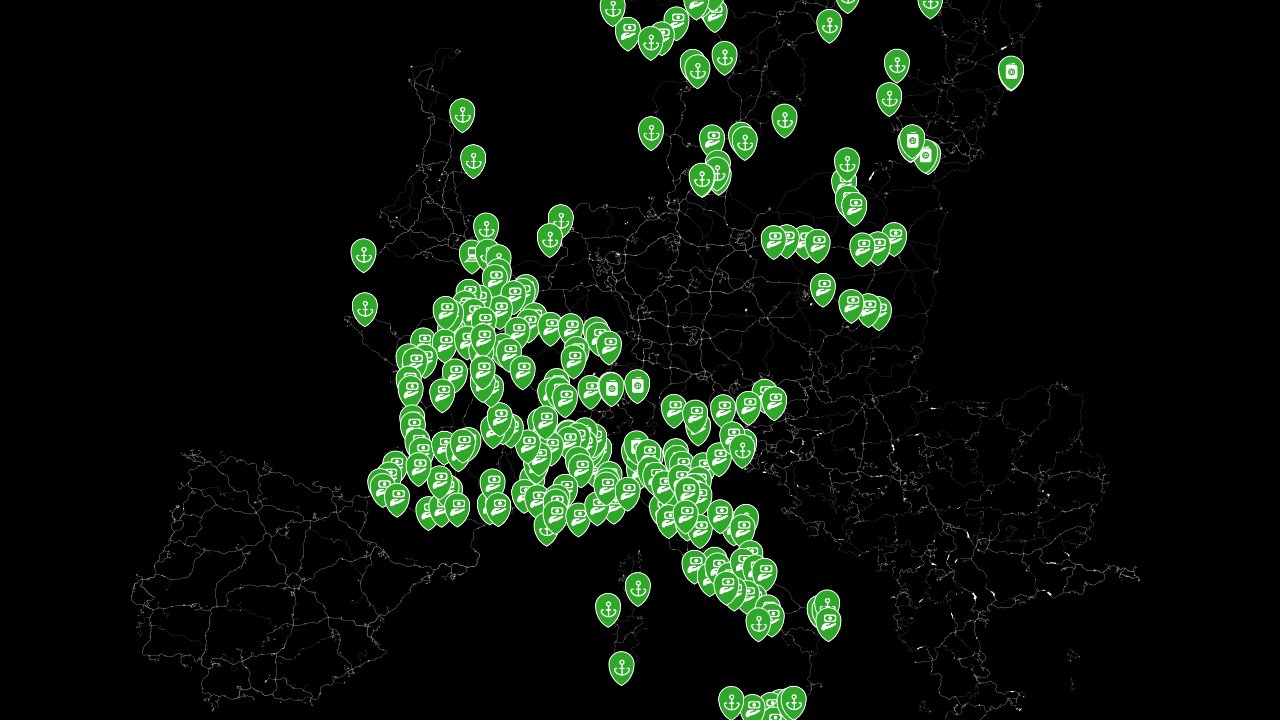
Transport infrastructure in Euro Truck Simulator 2 forms the backbone of your trucking operations, determining which routes you can take and how much they’ll cost you. These critical waypoints include ferry terminals, train tunnels, toll gates, and border crossings that directly impact your delivery efficiency and profit margins. The Euro Truck Simulator 2 Interactive Map highlights every transport hub across the game’s expansive European road network, letting you plan optimal routes that account for crossing fees, waiting times, and alternative pathways. Understanding where these transport nodes are located helps you avoid unexpected delays and budget for crossing costs during long-haul deliveries. Whether you’re planning a cross-country route or trying to find the most economical path between cities, having these locations mapped out saves both time and money.
What Transport Are Used For
Transport infrastructure controls movement between different regions and countries, often requiring payment or creating mandatory chokepoints in your delivery routes. These locations directly affect your route planning, travel time, and operating expenses.
- Ferry terminals provide the only water crossings between certain landmasses and islands
- Train tunnels offer alternative routes through mountainous terrain where regular roads don’t exist
- Toll gates charge fees for using premium highways and major thoroughfares
- Border crossings are mandatory stops when traveling between different countries
- Each transport type can create delays that impact delivery schedules and fuel consumption
Transport Types
The transport network consists of four distinct infrastructure types, each serving a specific purpose in the European road system. Understanding these different transport modes helps you make informed routing decisions.
Ferry
Ferry terminals connect mainland Europe with islands and cross major water bodies where bridges don’t exist. These crossings typically involve waiting times and boarding fees, but they’re often the only way to reach certain destinations like Sardinia or ferry routes across the English Channel.Train Tunnel
Train tunnels provide passage through mountain ranges and under major waterways where conventional roads aren’t feasible. The Channel Tunnel between England and France represents the most significant example, offering an alternative to ferry crossings with different timing and cost considerations.Toll Gate
Toll gates appear on major highways and premium routes throughout Europe, charging fees for road usage. These automated payment points are common on national highways and can significantly impact your operating costs on longer routes, making alternative road planning worthwhile for budget-conscious drivers.Border Crossing
Border crossings mark the transition points between different countries, often involving brief stops for customs procedures. While most European borders operate under open policies, these locations still serve as important navigation landmarks and can involve different traffic patterns or road conditions.How to Use the Map Efficiently
Planning routes around transport infrastructure requires balancing cost, time, and accessibility to find the most efficient path for your cargo deliveries.
- Check ferry schedules and costs before committing to island deliveries or cross-channel routes
- Compare tunnel routes with surface alternatives to find the best balance of time and expense
- Map out toll-free alternatives for budget runs, especially on longer continental routes
- Identify border crossings early to avoid dead-end routes or unexpected detours
- Factor in waiting times at busy transport hubs during peak traffic hours
- Keep backup routes in mind when primary transport links experience delays or closures
Transport Locations Table
Each transport type offers different advantages and considerations for route planning.
| Type | What You Get | Notable Detail |
|---|---|---|
| Ferry | Water crossing access | Involves waiting times and boarding fees |
| Train Tunnel | Mountain/water passage | Fixed route with specific entry/exit points |
| Toll Gate | Premium highway access | Automated payment required for passage |
| Border Crossing | International travel | Customs checkpoint and navigation landmark |
Tips for Transport Hunting
- Scout ferry terminals before accepting island delivery contracts to understand crossing costs and schedules
- Learn tunnel locations to access otherwise unreachable areas without lengthy detours
- Track toll gate positions to calculate total route costs during job planning
- Memorize major border crossings to navigate international routes more efficiently
- Keep alternative transport options in mind when primary routes become congested
- Factor transport delays into delivery time estimates to avoid late penalties
FAQs
Do ferry crossings cost money in Euro Truck Simulator 2?
Yes, ferry crossings typically charge boarding fees that are automatically deducted from your account balance, similar to toll gates on highways.
Can I avoid toll gates by taking alternative routes?
Yes, most toll highways have parallel free roads available, though they may take longer and pass through smaller towns with lower speed limits.
Are there waiting times at border crossings?
Border crossings in the game typically involve brief stops rather than extended waiting periods, serving mainly as transition points between countries.
What happens if I miss a ferry departure?
You’ll need to wait for the next scheduled departure, which can add significant time to your delivery schedule and potentially result in late delivery penalties.
Credit: Euro Truck Simulator 2 by Wand