All Locations: Far Cry Primal Guide
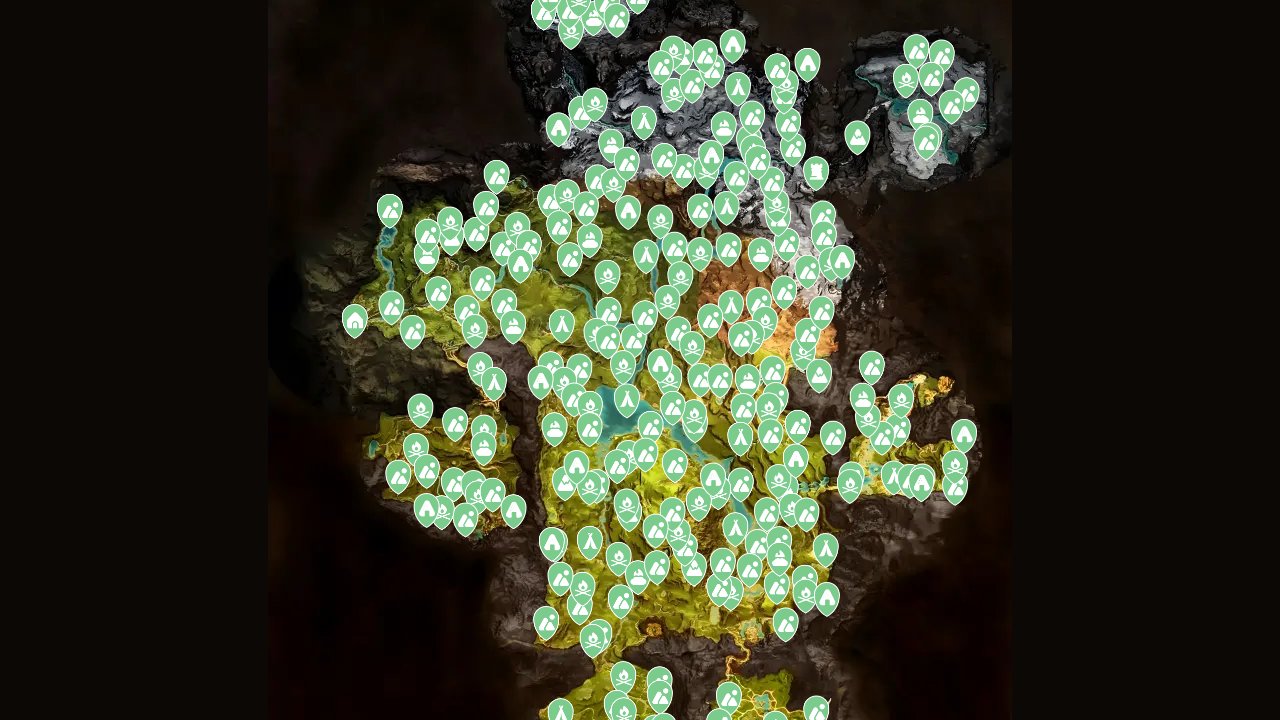
Locations in Far Cry Primal serve as essential waypoints that define your journey through the Stone Age wilderness of Oros. These markers encompass everything from ancient landmarks and tribal villages to strategic outposts and mysterious caves that hold valuable resources. The Far Cry Primal Interactive Map displays all location types with precise coordinates, helping you navigate between settlements, discover hidden areas, and plan efficient exploration routes across the vast prehistoric landscape. Understanding where each location type appears becomes crucial for progression, as many contain unique crafting materials, story elements, or tactical advantages that directly impact your survival and dominance in this harsh world.

What Locations Are Used For
Locations provide navigation anchors, resource gathering points, and strategic positions that form the backbone of your Stone Age conquest across Oros.
- Establish fast-travel points through bonfires and villages for rapid movement
- Access unique crafting materials and rare resources found only in specific areas
- Unlock story progression through major landmarks and tribal settlements
- Secure tactical advantages by capturing enemy outposts and fortified positions
- Discover cave systems containing ancient artwork, rare plants, and hidden treasures
Locations Types
The map categorizes eight distinct location types, each serving different purposes in your prehistoric adventure from navigation aids to combat objectives.
Landmark
Landmarks represent notable geographical features and ancient structures scattered throughout Oros that serve as visual navigation aids. These distinctive rock formations, stone circles, and natural monuments help orient yourself during exploration and often contain collectible items or crafting materials in their vicinity.Major Landmark
Major Landmarks mark the most significant locations in the world, including story-critical areas and unique geographical features central to the game’s narrative. These locations typically unlock important quests, house special resources, or provide access to new regions of the map.Bonfire
Bonfires function as your primary fast-travel network, allowing instant transportation between discovered points across the map. Lighting these ancient fire pits not only establishes travel routes but often provides temporary buffs and serves as safe resting spots during dangerous expeditions.Village
Villages represent the settlements of various tribes scattered across Oros, each with distinct cultures and resources. These locations offer unique quests, specialist vendors, and crucial story progression points while serving as cultural hubs that define the political landscape of the Stone Age world.Campfire
Campfires mark smaller rest areas and temporary shelters used by hunters and travelers throughout the wilderness. These locations provide basic crafting facilities and safe spots to gather resources, though they lack the fast-travel capabilities of larger bonfires.Fort
Forts represent heavily fortified enemy strongholds that require strategic planning and combat prowess to overcome. Capturing these locations provides significant rewards, unlocks new crafting recipes, and removes hostile presence from surrounding areas.Outpost
Outposts serve as smaller enemy encampments that guard valuable resources and strategic positions throughout Oros. These locations offer moderate combat challenges with worthwhile rewards and help establish territorial control over specific regions.Cave
Caves contain some of the most valuable resources in the game, including rare crafting materials, ancient cave paintings, and unique plant specimens. These underground locations often require careful exploration and provide significant progression benefits for dedicated explorers.How to Use the Map Efficiently
Strategic location planning maximizes your exploration efficiency and ensures you never miss critical resources or progression opportunities.
- Prioritize bonfires early to establish fast-travel networks before venturing into distant regions
- Clear outposts and forts systematically to secure safe passage through hostile territories
- Visit caves during daylight hours when visibility is optimal for spotting rare materials
- Plan circular routes that connect multiple location types to maximize resource gathering efficiency
- Focus on villages aligned with your current story progression to unlock relevant quests
- Mark landmark clusters on your map to identify areas rich in collectibles and materials
Locations Locations Table
Each location type offers distinct benefits and requires different approaches for optimal utilization.
| Type | What You Get | Notable Detail |
|---|---|---|
| Landmark | Navigation aid, collectibles | Visual waypoints for orientation |
| Major Landmark | Story progression, unique resources | Critical for main quest advancement |
| Bonfire | Fast-travel point, temporary buffs | Essential for efficient map traversal |
| Village | Tribal quests, cultural vendors | Each tribe offers unique specializations |
| Campfire | Basic crafting, resource gathering | Temporary rest spots without fast-travel |
| Fort | Major rewards, recipe unlocks | Requires strategic combat approach |
| Outpost | Moderate rewards, territorial control | Easier targets than fortified positions |
| Cave | Rare materials, cave paintings | Underground exploration with unique finds |
Tips for Locations Hunting
- Use your owl companion to scout locations from above before approaching potentially dangerous areas
- Approach enemy locations during dawn or dusk when guard visibility is reduced
- Carry fire arrows and clubs when assaulting fortified positions for maximum combat effectiveness
- Check cave walls systematically as ancient paintings blend into natural rock formations
- Mark discovered locations immediately to avoid revisiting empty areas during resource runs
- Combine location visits with hunting expeditions to maximize your time in each region
FAQs
How many bonfires are there in Far Cry Primal?
Far Cry Primal contains over 20 bonfires scattered throughout Oros, with each major region containing multiple fast-travel points to ensure efficient navigation across the expansive map.
Do caves respawn resources after clearing them?
Most cave resources respawn over time, but cave paintings and one-time collectibles remain permanently discovered once collected, making multiple visits worthwhile for renewable materials.
Can you capture all enemy outposts and forts?
Yes, all enemy outposts and forts can be permanently captured, removing hostile presence and converting them into safe zones with resource benefits and fast-travel access.
Which locations provide the most valuable crafting materials?
Caves and major landmarks typically contain the rarest crafting materials, including unique plant specimens and mineral deposits not found in surface locations or enemy camps.
Credit: Far Cry Primal by Wand