All Fauna Locations in Subnautica 2
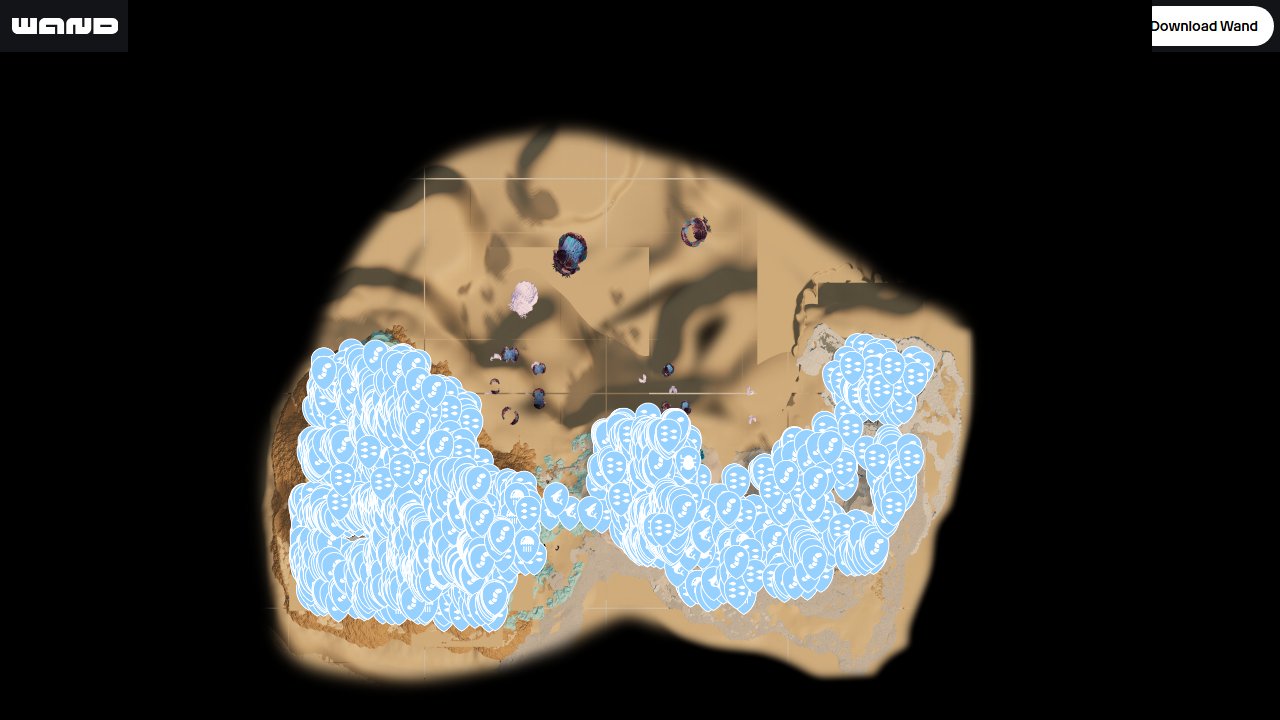
Fauna in Subnautica 2 represent the diverse marine life populating Planet 4546B’s alien oceans. These creatures range from harmless filter feeders to massive predatory leviathans that define the game’s underwater ecosystem.
The Subnautica 2 Interactive Map tracks every fauna species across all biomes, helping you catalog marine life, avoid dangerous predators, and locate specific creatures for research purposes. Understanding fauna distribution is essential for safe exploration and completing biological studies.
What Fauna Are Used For
Fauna serve multiple critical functions in Subnautica 2, from providing research data to creating environmental hazards that shape your exploration routes.
- Scanning creatures unlocks biological data and crafting blueprints
- Large predators create no-go zones that require careful navigation
- Harmless species indicate safe areas for base construction
- Specific creatures drop materials needed for advanced equipment
- Fauna behavior patterns reveal biome boundaries and resource locations
Fauna Types
The map categorizes fauna into distinct species, each with unique behaviors, habitats, and threat levels that affect your underwater exploration strategy.
Anemone Crab
Small crustaceans that inhabit shallow reef environments and kelp forests. These creatures are generally passive but can deliver mild electrical shocks when threatened. They’re valuable for early-game biological research and pose minimal threat to explorers.
Black Hoverthorn
Dark-colored variants of the standard Hoverthorn that prefer deeper water environments. These creatures exhibit more aggressive territorial behavior than their lighter counterparts. They’re often found guarding valuable resource deposits in mid-depth zones.
Bluemoon
Bioluminescent jellyfish that drift through open water columns in various biomes. Their blue glow makes them easy to spot during night dives and serves as natural lighting in dark areas. They’re completely harmless and often indicate clean water conditions.
Bullethead
Fast-moving predatory fish with streamlined bodies built for quick strikes. They hunt in small groups and target smaller creatures, rarely bothering larger explorers. Their speed makes them difficult to scan without proper preparation and timing.
Cerathecan
Large, armored creatures resembling prehistoric marine reptiles that patrol specific territories. They’re moderately aggressive and can damage small vehicles with their powerful jaws. Scanning them provides valuable data about Planet 4546B’s evolutionary history.
Collector Leviathan
Massive creatures that represent some of the largest fauna in Subnautica 2’s oceans. These leviathans are extremely dangerous and territorial, capable of destroying vehicles and habitats. Encountering them requires advanced equipment and careful planning.
Collector Leviathan First Encounter Event
Scripted encounters with Collector Leviathans that trigger during story progression. These events introduce players to leviathan-class threats and demonstrate the scale of dangers in deeper waters. They’re crucial for understanding the game’s escalating threat progression.
Coral Crab
Camouflaged crustaceans that blend with coral reef environments and remain motionless until approached. Their defensive behavior makes them easy to miss during casual exploration. They’re excellent subjects for studying adaptation and camouflage techniques.
Crimson Shrimp
Bright red crustaceans that inhabit thermal vent areas and volcanic regions. Their vibrant coloration serves as a warning to potential predators about their toxic nature. They’re often found near valuable mineral deposits in hostile environments.
Dark Anemone Crab
Darker variants of standard Anemone Crabs that prefer cave systems and shadowed reef areas. They exhibit more defensive behavior and stronger electrical discharges than their lighter cousins. Their presence often indicates nearby cave networks worth exploring.
Electric Geordie
Electrically-charged variants of standard Geordie fish that can deliver powerful shocks to nearby creatures. They’re found in areas with high electromagnetic activity and serve as natural hazard indicators. Proper insulation is required for safe observation and scanning.
Epicurean
Large filter-feeding creatures that consume smaller organisms and organic debris from the water column. They’re completely passive and often serve as mobile ecosystems, hosting smaller creatures on their bodies. Their feeding patterns indicate nutrient-rich water areas.
Epicurean Symbiote
Small creatures that live in symbiotic relationships with Epicurean hosts, cleaning parasites and feeding on scraps. They demonstrate complex ecological relationships and provide insight into Planet 4546B’s interconnected marine ecosystems. They’re harmless to explorers.
Flash Slug
Bioluminescent gastropods that produce bright flashes when startled or threatened. Their defensive light displays can temporarily blind predators and explorers alike. They’re valuable for studying bioluminescence and serve as natural warning systems in dark environments.
Flutter Tail
Small, agile fish with distinctive tail fins that create rapid propulsion through water. They travel in schools and serve as prey for larger predators, making their presence a good indicator of healthy ecosystem balance. They’re easy to scan due to their curious nature.
Four Eye
Unique fish species with multiple visual organs that provide enhanced perception in low-light conditions. Their advanced sensory capabilities make them excellent early warning systems for approaching predators. They prefer twilight zones where light begins to fade.
Geordie
Common schooling fish that inhabit various biomes and serve as a primary food source for many predators. Their abundance makes them reliable indicators of ecosystem health and water quality. They’re among the easiest creatures to scan for biological research.
Halfmoon
Crescent-shaped creatures that exhibit unique swimming patterns resembling their distinctive body shape. They’re moderately sized and generally peaceful, making them excellent subjects for behavioral studies. Their unusual locomotion provides insights into alternative evolutionary paths.
Hammerhead
Aggressive predators with distinctive head shapes that enhance their sensory capabilities and hunting effectiveness. They patrol territorial boundaries and attack anything that enters their domain. Advanced defensive equipment is recommended when exploring their habitats.
Harvestmoon
Large, slow-moving creatures that filter-feed on plankton and small organisms during specific tidal cycles. Their feeding behavior is tied to environmental conditions, making them valuable for understanding planetary rhythms. They’re completely harmless to explorers.
Hoverthorn
Floating creatures with thorn-like appendages that hover in mid-water columns using specialized gas bladders. They’re mildly territorial and can inflict puncture wounds with their spines. Their hovering behavior makes them unique among Planet 4546B’s marine life.
Jelly Ring
Ring-shaped jellyfish with unique circular body structures that pulse through the water. They’re completely passive and often travel in groups, creating beautiful underwater displays. Their translucent bodies make them challenging to spot without proper lighting.
Jeto Caris
Streamlined predatory fish that hunt using coordinated pack tactics and high-speed attacks. They’re moderately dangerous to unprotected explorers and can damage equipment with their sharp teeth. Their intelligence makes them formidable opponents in their territories.
Locust Swarm
Dense aggregations of small creatures that move in coordinated groups resembling terrestrial insect swarms. They can overwhelm and disorient explorers through sheer numbers rather than individual aggression. Their collective behavior demonstrates advanced social organization.
Marrowbreach
Large predatory creatures with bone-like external structures and powerful crushing jaws. They’re capable of breaching armored surfaces and pose significant threats to vehicles and habitats. Their skeletal appearance reflects their role as apex predators.
Mirror Halfmoon
Reflective variants of standard Halfmoon creatures that use light manipulation for camouflage and communication. Their mirror-like surfaces can confuse predators and create disorienting visual effects. They prefer areas with complex lighting conditions.
Needler Shark
Sleek predators with needle-like teeth designed for piercing armor and thick hides. They’re fast and aggressive, capable of penetrating standard diving suits with their specialized dentition. Reinforced protection is essential when exploring their hunting grounds.
Nibbler Mango
Small, colorful fish that feed on algae and small organisms, playing important roles in maintaining ecosystem balance. Their bright coloration warns of mild toxicity, but they’re generally harmless to larger creatures. They indicate healthy reef environments.
Pneuma
Gas-filled creatures that regulate their buoyancy through specialized organs and can rapidly change depth levels. Their pneumatic abilities make them unique among marine life and valuable subjects for studying pressure adaptation. They’re generally non-aggressive.
Sandspear Juvenile
Young versions of larger Sandspear creatures that inhabit sandy bottom areas and burrow for protection. They’re less aggressive than adults but still possess defensive capabilities. Observing juveniles can reveal adult spawning and nursery areas.
Surge Jelly
Powerful jellyfish that create strong water currents through their swimming motions and can knock explorers off course. They’re not directly aggressive but their movement patterns create hazardous conditions. Their surges can damage delicate equipment.
Teal Cycloplet
Small, single-eyed creatures with distinctive teal coloration that inhabit various biomes. Their simple anatomy makes them excellent subjects for basic biological research and understanding fundamental life processes. They’re completely harmless to explorers.
Twin Eel
Paired eel-like creatures that hunt cooperatively and share neural connections for coordinated attacks. They demonstrate advanced social behavior and pose moderate threats to unprotected explorers. Their partnership makes them fascinating subjects for behavioral studies.
Water Slug
Simple gastropods that filter water for nutrients and help maintain water quality in their habitats. They’re completely passive and serve as natural water purification systems. Their presence indicates stable environmental conditions.
Waxmoon
Waxy-textured creatures with moon-like appearance that exhibit bioluminescent properties during feeding cycles. They’re passive filter feeders that create beautiful light displays during nighttime activities. Their wax-like coating provides protection against parasites.
How to Use the Map Efficiently
Planning your fauna research requires understanding creature distribution patterns, threat levels, and optimal scanning conditions across different biomes.
- Start with harmless species in shallow areas before venturing into dangerous predator territories
- Use time-of-day cycles to your advantage, as many creatures exhibit different behaviors during day and night
- Cluster nearby fauna locations into single expeditions to maximize scanning efficiency and reduce travel time
- Prioritize scanning aggressive species from vehicles or protected positions to avoid damage
- Focus on biome-specific creatures when exploring new areas to complete biological catalogs systematically
- Mark dangerous predator locations to plan safe routes for future exploration and base construction
Fauna Locations Table
Complete fauna reference showing creature types, research value, and behavioral characteristics.
| Type | Research Value | Threat Level |
|---|---|---|
| Anemone Crab | Basic biological data | Low – mild electrical shock |
| Black Hoverthorn | Territorial behavior study | Medium – aggressive defense |
| Bluemoon | Bioluminescence research | None – completely passive |
| Bullethead | Predatory behavior patterns | Low – avoids large targets |
| Cerathecan | Evolutionary history data | Medium – territorial attacks |
| Collector Leviathan | Apex predator analysis | Extreme – destroys vehicles |
| Collector Leviathan First Encounter Event | Story progression data | Extreme – scripted encounter |
| Coral Crab | Camouflage adaptation study | None – defensive only |
| Crimson Shrimp | Toxic adaptation research | Low – warning coloration |
| Dark Anemone Crab | Cave ecosystem study | Low – enhanced electrical discharge |
| Electric Geordie | Bioelectricity research | Medium – powerful shock |
| Epicurean | Filter feeding analysis | None – completely passive |
| Epicurean Symbiote | Symbiosis relationship study | None – beneficial interaction |
| Flash Slug | Bioluminescent defense study | None – light flash only |
| Flutter Tail | Schooling behavior research | None – curiosity driven |
| Four Eye | Enhanced vision study | None – sensory specialist |
| Geordie | Ecosystem health indicator | None – prey species |
| Halfmoon | Alternative locomotion study | None – peaceful behavior |
| Hammerhead | Apex predator research | High – territorial aggression |
| Harvestmoon | Tidal feeding behavior | None – filter feeder |
| Hoverthorn | Buoyancy adaptation study | Low – spine defense |
| Jelly Ring | Circular locomotion research | None – passive drifter |
| Jeto Caris | Pack hunting analysis | Medium – coordinated attacks |
| Locust Swarm | Collective behavior study | Medium – overwhelming numbers |
| Marrowbreach | Bone structure research | High – armor piercing |
| Mirror Halfmoon | Light manipulation study | None – camouflage specialist |
| Needler Shark | Specialized predation study | High – armor piercing teeth |
| Nibbler Mango | Ecosystem balance research | None – algae grazer |
| Pneuma | Pressure adaptation study | None – buoyancy specialist |
| Sandspear Juvenile | Life cycle research | Low – developing defenses |
| Surge Jelly | Hydrodynamic force study | Medium – current displacement |
| Teal Cycloplet | Basic anatomy research | None – simple organism |
| Twin Eel | Cooperative hunting study | Medium – paired attacks |
| Water Slug | Water filtration research | None – environmental benefit |
| Waxmoon | Protective coating study | None – bioluminescent display |
Tips for Fauna Hunting
- Carry multiple scanner batteries and backup equipment when studying dangerous species
- Use stealth and distance when observing aggressive creatures to avoid triggering attack responses
- Study creature daily patterns and feeding times to find optimal scanning opportunities
- Bring appropriate defensive gear when entering territories of known aggressive species
- Focus on completing biome-specific fauna catalogs before moving to new areas
- Use environmental features like caves and coral formations for protection while scanning dangerous predators
FAQs
Which fauna are most dangerous to avoid?
Collector Leviathans pose the greatest threat and can destroy vehicles, while Hammerhead, Marrowbreach, and Needler Shark species require heavy defensive equipment for safe observation.
Credit: Subnautica 2 by Wand