All Enemy Locations in Icarus
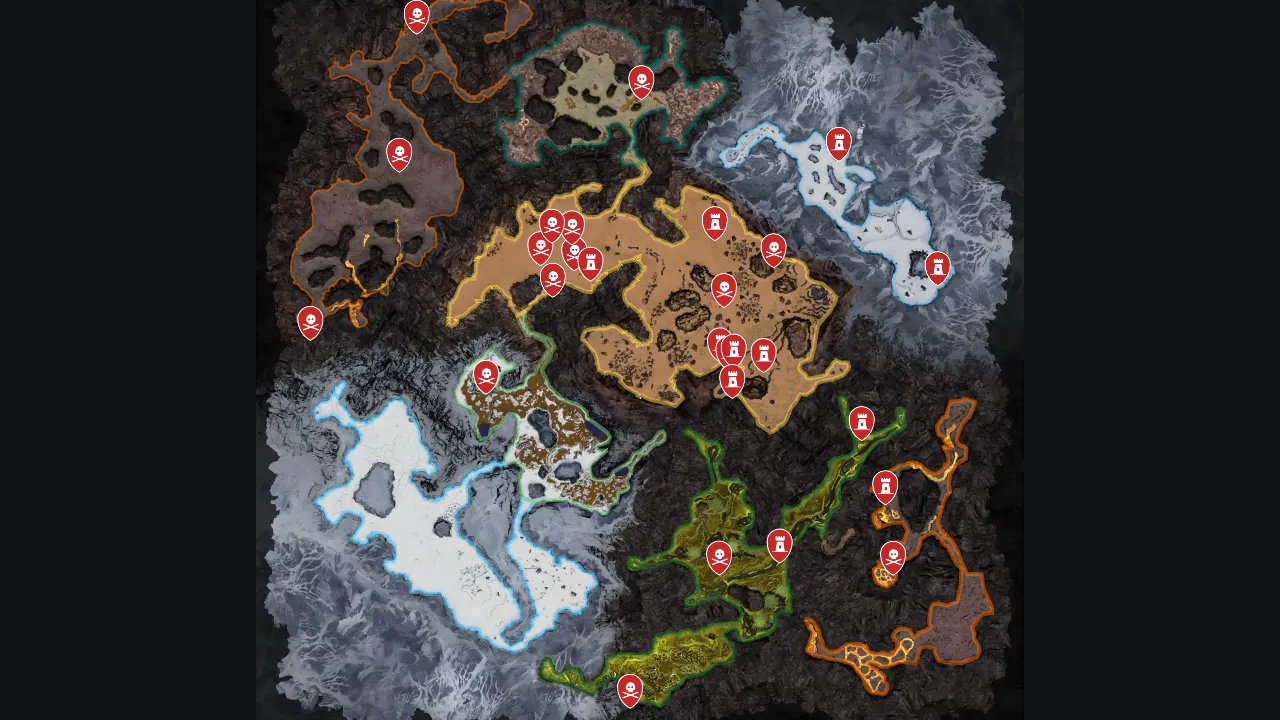
Enemies in Icarus present constant threats across every biome, from aggressive wildlife to hostile human factions that can end your mission in seconds. Understanding where these dangers spawn helps you plan safer routes, prepare appropriate gear, and avoid unnecessary confrontations when carrying valuable resources.
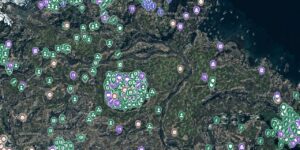
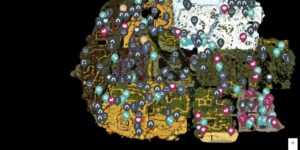
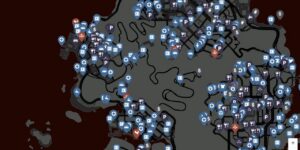
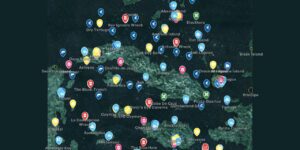
The Icarus Interactive Map filters enemy locations into distinct categories, letting you identify high-threat zones before venturing into unexplored territory. This tactical awareness becomes crucial during timed missions where a single ambush can cost hours of progress.
What Enemies Are Used For
Enemies serve as both obstacles and opportunities in Icarus, guarding valuable resources while testing your combat readiness. They control key areas, drop rare materials, and create dynamic challenges that shape your exploration strategy.
- Block access to high-value mining nodes and research sites
- Drop exotic materials needed for advanced crafting recipes
- Provide combat experience and weapon testing opportunities
- Create territorial boundaries that influence base placement
- Guard crashed ships and abandoned settlements containing rare loot
Enemies Types
The map tracks two primary enemy categories that pose distinct threats to prospectors exploring Icarus.
Boss
Boss encounters represent the most dangerous creatures on Icarus, typically massive predators with unique attack patterns and substantial health pools. These encounters require advanced weapons, coordinated team tactics, and often specific environmental strategies to defeat safely.
TPS Tower
TPS Towers are automated defense systems left by previous colonization attempts, scanning large areas and engaging any detected movement with heavy weapons. These installations control strategic locations and require careful approach planning or heavy firepower to neutralize.
How to Use the Map Efficiently
Planning your route around enemy locations prevents costly encounters and helps you prepare appropriate countermeasures for unavoidable fights.
- Check enemy density before establishing base camps to avoid constant harassment
- Mark boss locations early to plan end-game hunting expeditions with proper gear
- Identify TPS Tower coverage zones to find safe approach angles for objectives
- Plot alternative routes around high-threat areas when carrying valuable cargo
- Use enemy-free corridors for rapid movement between distant mission objectives
- Coordinate with teammates to assign roles based on nearby enemy types and strengths
Enemies Locations Table
Key enemy categories and their strategic implications for mission planning:
| Type | Primary Threat | Strategic Value |
|---|---|---|
| Boss | Massive damage, unique mechanics | Rare drops, territory control |
| TPS Tower | Automated heavy weapons | Area denial, tech salvage |
Tips for Enemies Hunting
- Scout enemy positions during daylight hours when visibility is optimal for planning attacks
- Bring appropriate ammunition types since different enemies have varying armor resistances
- Use terrain advantages like elevated positions or chokepoints to control engagement distances
- Mark retreat routes before engaging tough enemies in case the fight goes poorly
- Check weather conditions since storms can mask your approach or hinder visibility
- Coordinate timing with teammates to avoid splitting attention between multiple threats
FAQs
Do enemies respawn after being defeated?
Most standard enemies respawn after a certain period, but boss creatures typically remain defeated for the duration of your mission.
Can TPS Towers be permanently disabled?
Yes, TPS Towers can be destroyed with sufficient firepower and remain inactive for the rest of your mission, opening up previously guarded areas.
What’s the best strategy for avoiding unnecessary enemy encounters?
Use the map to identify enemy clusters and plan routes through gaps in their patrol areas, especially when transporting valuable resources to your dropship.
Are there environmental factors that affect enemy behavior?
Weather conditions, time of day, and proximity to their territory centers can influence enemy aggression levels and detection ranges.
Credit: Icarus by Wand