Where To Find Every Animal In theHunter: Call of the Wild
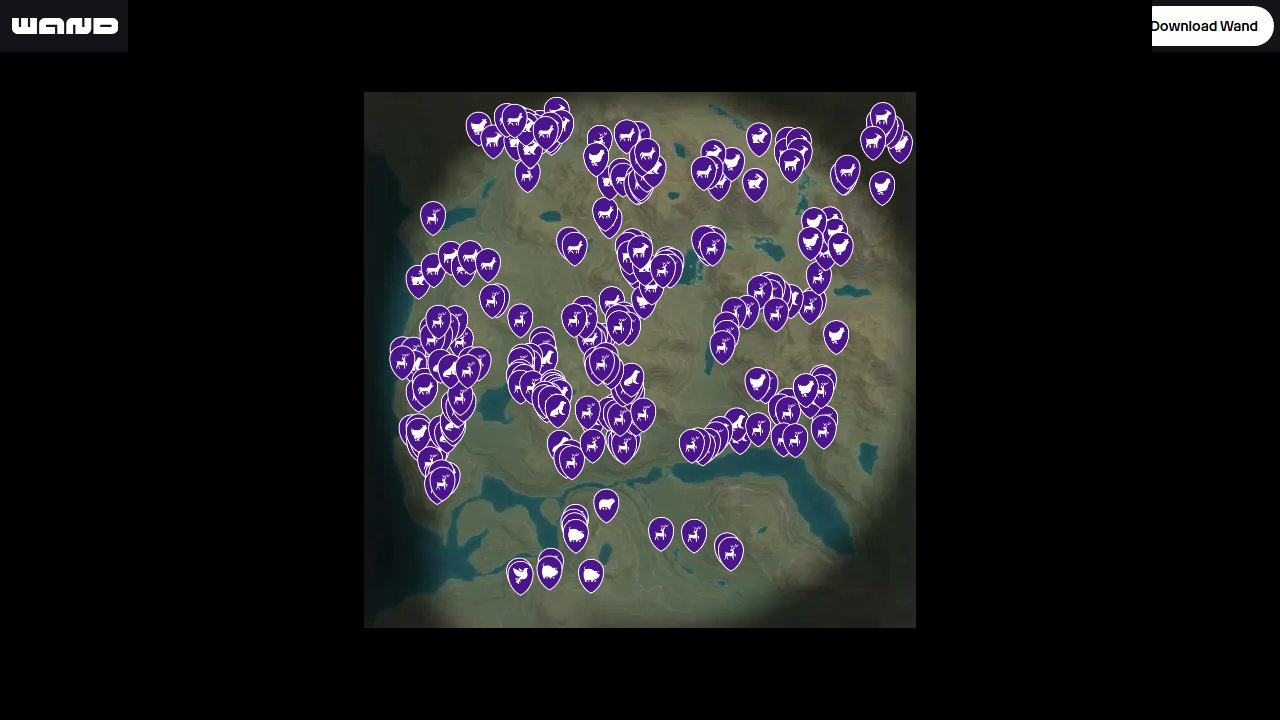
Animals in theHunter: Call of the Wild represent the core hunting targets that define your entire experience. Each species requires specific strategies, equipment, and knowledge of their behavioral patterns to successfully track and harvest.
The theHunter: Call of the Wild Interactive Map reveals precise locations where different animal species can be found across all hunting reserves. Understanding where each species roams helps you plan efficient hunting routes and select the right gear for your target animals.

What Animals Are Used For
Animals serve as the primary objective in theHunter: Call of the Wild, providing progression rewards, crafting materials, and trophy opportunities. Each successful hunt contributes to your hunter rank and unlocks new equipment.
- Earning experience points and hunter rank progression through successful harvests
- Obtaining trophy racks and pelts for lodge decoration and achievement completion
- Unlocking weapon and equipment upgrades by completing harvest objectives
- Generating in-game currency through meat and trophy sales
- Accessing species-specific missions and challenges across different reserves
Animals Types
The map tracks fifteen distinct animal species across multiple hunting reserves, each with unique habitat preferences and behavioral patterns that affect your hunting approach.
Red Deer
Red Deer are among the largest cervids in the game, inhabiting forested areas and open meadows. These majestic animals provide impressive trophy antlers and require careful stalking due to their keen senses and tendency to flee when startled.
Roe Deer
Roe Deer are smaller, agile cervids that prefer dense woodland and forest edges. Their compact size makes them challenging targets, but they offer consistent hunting opportunities and are excellent for practicing stalking techniques.
Fallow Deer
Fallow Deer feature distinctive spotted coats and palmate antlers, typically found in mixed woodland and parkland areas. They’re social animals that often travel in groups, making herd management an important consideration during hunts.
American Mink
American Mink are small, semi-aquatic mammals found near water sources and wetland areas. These elusive creatures require precise shooting and knowledge of waterside habitats to hunt successfully.
Eurasian Pine Marten
Eurasian Pine Marten are arboreal predators that inhabit coniferous forests. Their tree-dwelling nature and small size make them particularly challenging targets that test your marksmanship skills.
European Badger
European Badger are nocturnal mammals that create extensive burrow systems in woodland areas. Their sturdy build and defensive nature require different hunting approaches compared to other small game.
Red Grouse
Red Grouse are ground-dwelling game birds found in heathland and moorland environments. They provide fast-moving targets that test your wing shooting abilities and knowledge of upland terrain.
Wild Boar
Wild Boar are powerful, potentially dangerous animals that inhabit dense forests and woodland areas. These challenging targets require heavy ammunition and careful positioning due to their aggressive nature when wounded.
Sika Deer
Sika Deer are medium-sized cervids with distinctive whistling calls and spotted summer coats. They prefer forest environments and offer unique trophy opportunities with their distinctive antler formation.
Feral Goat
Feral Goat inhabit rocky, mountainous terrain and steep hillsides. Their sure-footed nature and preference for difficult terrain make them challenging targets that require knowledge of mountain hunting techniques.
Western Capercaillie
Western Capercaillie are large grouse species found in mature coniferous forests. These impressive game birds provide challenging wing shooting opportunities and require understanding of forest canopy hunting.
Black Grouse
Black Grouse inhabit forest edges and open woodland areas, particularly where conifers meet heathland. Their lekking behavior during mating season creates specific hunting opportunities at traditional display grounds.
Pheasant
Pheasant are colorful game birds found in agricultural areas and woodland edges. They provide classic wing shooting experiences and are often found near farmland and mixed habitat zones.
Mountain Hare
Mountain Hare are high-altitude specialists found in moorland and mountainous regions. Their seasonal coat changes and alpine habitat preferences require specific hunting strategies for successful harvests.
Red Fox
Red Fox are intelligent predators found across various habitats from forests to open countryside. Their cunning nature and excellent senses make them challenging targets that require patience and stealth.
How to Use the Map Efficiently
Planning your hunting routes around animal locations maximizes your time in the field and increases your chances of successful harvests across different species.
- Focus on specific habitat types that support your target species rather than random exploration
- Plan circular routes that cover multiple animal locations within the same reserve area
- Use fast-travel points strategically to access distant hunting zones without long walks
- Match your equipment loadout to the animals present in your planned hunting area
- Consider time of day and weather patterns when planning routes to specific animal locations
- Mark high-priority trophy locations and revisit them across multiple hunting sessions
Animals Locations Table
Each animal species offers distinct hunting challenges and rewards based on their habitat preferences and behavior patterns.
| Species | Primary Reward | Habitat Preference |
|---|---|---|
| Red Deer | Large antler trophies | Forests and meadows |
| Roe Deer | Compact trophy racks | Dense woodland edges |
| Fallow Deer | Palmate antlers | Mixed woodland parks |
| American Mink | Fur pelts | Waterside areas |
| Eurasian Pine Marten | Small predator trophy | Coniferous forests |
| European Badger | Sturdy pelt | Woodland burrow areas |
| Red Grouse | Upland game bird | Heathland and moors |
| Wild Boar | Large game trophy | Dense forest cover |
| Sika Deer | Whistling deer trophy | Forest environments |
| Feral Goat | Mountain trophy | Rocky steep terrain |
| Western Capercaillie | Large grouse trophy | Mature conifer forests |
| Black Grouse | Lekking bird trophy | Forest edge habitats |
| Pheasant | Colorful game bird | Agricultural woodland |
| Mountain Hare | Alpine small game | High altitude moorland |
| Red Fox | Predator fur trophy | Mixed countryside habitats |
Tips for Animals Hunting
- Study animal feeding and drinking times to position yourself at key locations during peak activity periods
- Use appropriate ammunition types for each animal size class to ensure clean kills and maximum trophy scores
- Learn animal call patterns and responses to increase your success rate with specific species
- Practice wind direction awareness as most animals have excellent scent detection capabilities
- Invest in species-appropriate camouflage and scent elimination gear for your target hunting areas
- Master the shot placement for different animal anatomies to improve harvest quality and reduce tracking time
FAQs
Which animals provide the highest trophy scores?
Red Deer, Wild Boar, and Western Capercaillie typically offer the highest trophy scores due to their size and antler or body mass potential, making them priority targets for trophy hunters.
What time of day is best for hunting different animals?
Most deer species are active during dawn and dusk hours, while small game like mink and badgers are more active at night, and birds like grouse are typically active during morning hours.
How do I track wounded animals effectively?
Look for blood trails, disturbed vegetation, and use your binoculars to scan ahead. Wounded animals typically follow predictable escape routes toward thick cover or water sources.
Can I hunt multiple animal species in the same location?
Yes, many locations support multiple species, especially forest edges and mixed habitats where different animals share resources, allowing you to hunt several species during a single outing.
Credit: theHunter: Call of the Wild by Wand