Where To Find All Needle Clumps In Subnautica 2
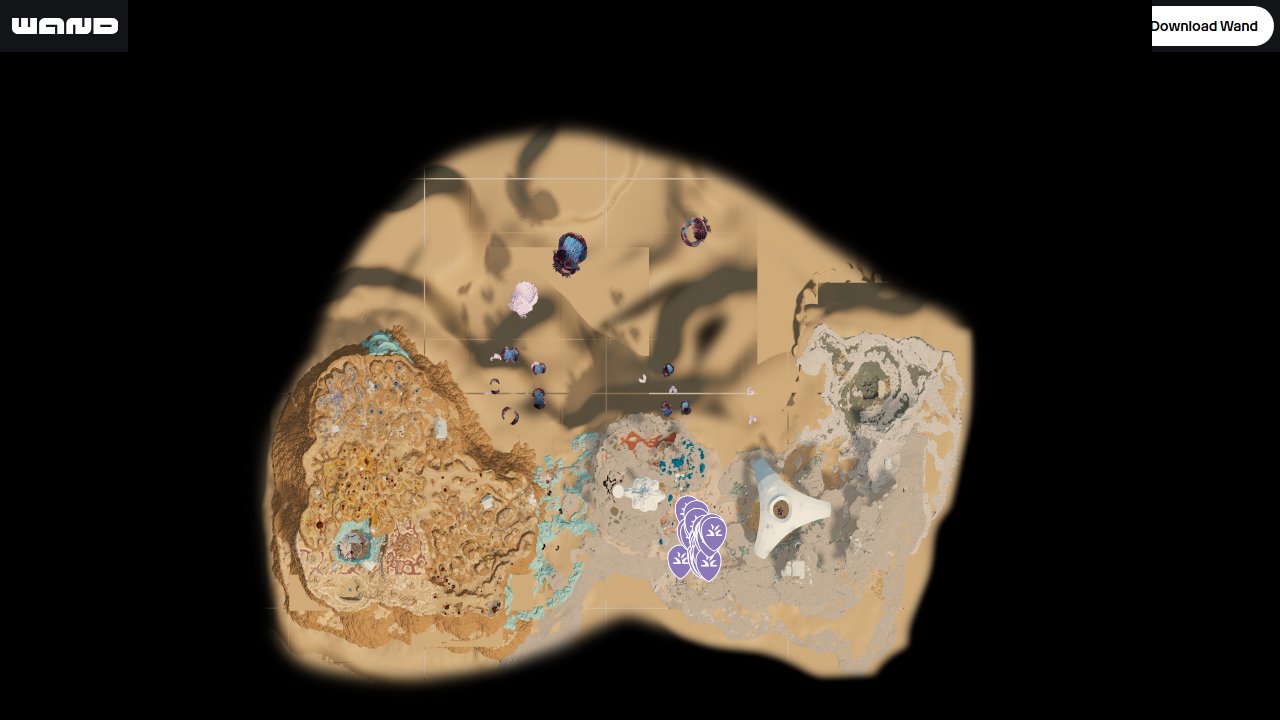
Needle Clump locations in Subnautica 2 are essential resource deposits that provide critical crafting materials for advanced equipment and base construction. These distinctive formations appear throughout the ocean depths, offering valuable resources that become increasingly important as you progress deeper into the game’s aquatic world. The Subnautica 2 Interactive Map filters all known Needle Clump spawns, helping you plan efficient collection routes without missing crucial deposits. Finding these resources systematically saves time and ensures you have the materials needed for essential upgrades and survival equipment.

What Needle Clump Are Used For
Needle Clump serve as a primary source of specialized minerals required for crafting advanced technology and reinforcing underwater habitats. These formations contain concentrated deposits that cannot be obtained through other means.
- Crafting high-tier equipment upgrades for diving suits and vehicles
- Constructing reinforced hull plating for deep-sea bases
- Manufacturing advanced scanning and navigation devices
- Creating specialized tools for deep-ocean exploration
- Building defensive systems for underwater installations
Needle Clump Types
Different varieties of Needle Clump formations offer distinct mineral compositions based on their depth and biome location.
Shallow Water Clusters
These formations appear in the upper ocean layers and provide basic mineral components. They’re easily accessible but offer lower-grade materials suitable for early-game crafting.
Deep Sea Formations
Found in abyssal zones, these dense clusters contain rare minerals essential for advanced technology. They require specialized equipment to reach safely and harvest effectively.
Thermal Vent Deposits
Located near underwater volcanic activity, these formations yield heat-processed minerals with unique properties. The extreme environment makes them challenging to access but highly valuable.
Cave System Nodes
Hidden within underwater cave networks, these deposits offer concentrated resources in protected environments. Navigation skills are essential for locating and accessing these formations safely.
How to Use the Map Efficiently
Planning your collection route based on depth zones and proximity to safe areas maximizes efficiency while minimizing risk exposure.
- Start with shallow water clusters to gather basic materials and upgrade equipment
- Group nearby formations into single diving expeditions to reduce travel time
- Mark dangerous areas and plan escape routes before venturing into deep zones
- Use vehicle docking stations as waypoints for extended collection missions
- Prioritize formations near established bases for easy resource storage
- Check thermal signatures to identify the most productive deposit types
Needle Clump Locations Table
Key formation types and their typical characteristics across different ocean zones.
| Formation Type | Depth Zone | Primary Yield |
|---|---|---|
| Shallow Clusters | 0-200m | Basic Minerals |
| Deep Formations | 400-800m | Rare Compounds |
| Thermal Deposits | 600-1000m | Heat-Processed Ores |
| Cave Nodes | 200-600m | Concentrated Extracts |
| Abyssal Veins | 800m+ | Ultra-Rare Elements |
Tips for Needle Clump Hunting
- Bring adequate lighting equipment when exploring deep formations or cave systems
- Carry emergency oxygen supplies for extended diving sessions in remote areas
- Use sonar scanning to locate formations hidden within rock faces or vegetation
- Monitor environmental hazards like temperature extremes near thermal deposits
- Build temporary outposts near rich deposit clusters for efficient harvesting
- Track formation regeneration patterns to optimize return collection schedules
FAQs
Do Needle Clump formations regenerate over time?
Yes, most formations regenerate slowly after being harvested, though deep-sea deposits take longer to replenish than shallow water clusters.
What equipment is needed to harvest deep-sea formations safely?
Deep-sea harvesting requires pressure-resistant diving gear, enhanced oxygen systems, and specialized cutting tools designed for high-pressure environments.
Are there any dangers associated with harvesting Needle Clump?
Thermal deposits can cause heat damage, while deep formations may be guarded by aggressive fauna or located in areas with strong currents.
How can I identify the most valuable Needle Clump formations?
Use advanced scanning equipment to analyze mineral composition before harvesting, focusing on formations with unique crystalline structures or unusual coloration patterns.
Credit: Subnautica 2 by Wand