theHunter: Call of the Wild: All Landmark Locations

Landmarks in theHunter: Call of the Wild serve as crucial navigation points and strategic locations that help hunters orient themselves across the game’s vast reserve maps. These distinctive locations provide essential services, vantage points, and reference markers that make exploring the wilderness more manageable and rewarding.
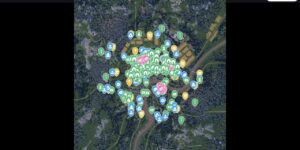
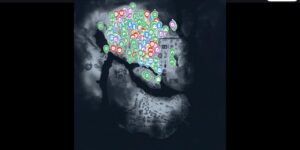
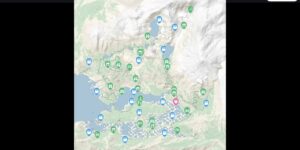
The theHunter: Call of the Wild Interactive Map filters these landmark locations to help you plan efficient hunting routes and identify key areas for setting up your hunting strategy. Whether you need a high vantage point to scout animal movements or require access to essential services, knowing where these landmarks sit can dramatically improve your hunting success.

What Landmarks Are Used For
Landmarks provide essential infrastructure and strategic advantages that support your hunting activities across each reserve. These locations offer services, viewpoints, and reference points that enhance your hunting experience.
- Fast-travel points that reduce travel time between distant hunting areas
- Elevated positions for scouting animal herds and movement patterns
- Access to hunting equipment, ammunition, and gear upgrades
- Strategic reference points for navigation and route planning
- Rest areas where you can save progress and plan your next hunt
Landmarks Types
The landmark system includes three distinct types of locations, each serving different purposes in your hunting strategy and reserve navigation.
Lookout Point
These elevated observation posts provide commanding views of the surrounding terrain and wildlife activity. Lookout points are essential for spotting animal herds from a distance and planning your approach routes. Many hunters use these positions to identify high-traffic animal corridors and feeding areas before moving in for closer stalking.
Outposts
Outposts function as your primary service hubs within each reserve, offering equipment purchases, weapon customization, and fast-travel access. These locations stock ammunition, hunting gear, and weapon modifications that you can purchase using in-game currency. Most outposts also serve as respawn points and progress save locations.
Landmark
General landmark locations include distinctive geographical features, structures, and points of interest that serve as navigation references. These markers help you orient yourself on the map and provide memorable waypoints for planning hunting routes. Many landmarks also offer unique photo opportunities and scenic viewpoints.
How to Use the Map Efficiently
Planning your landmark visits requires balancing travel efficiency with strategic positioning to maximize your hunting opportunities.
- Start each hunting session by visiting nearby outposts to restock ammunition and purchase necessary equipment
- Use lookout points during early morning and evening hours when animals are most active
- Plan circular routes that connect multiple landmarks to avoid backtracking across large distances
- Mark personal waypoints between official landmarks to create custom navigation networks
- Prioritize lookout points that overlook water sources and feeding areas for maximum animal spotting
- Fast-travel between distant outposts to quickly access different hunting zones within the same reserve
Landmarks Locations Table
Each landmark type offers specific advantages for planning your hunting strategy.
| Type | What You Get | Notable Detail |
|---|---|---|
| Lookout Point | Elevated scouting position | Best during dawn/dusk animal activity |
| Outposts | Equipment and fast-travel access | Primary service hubs with full amenities |
| Landmark | Navigation reference points | Distinctive features for route planning |
Tips for Landmarks Hunting
- Visit lookout points with binoculars equipped to maximize your spotting range and identify distant animals
- Check outpost inventories regularly as new equipment becomes available based on your hunting progress
- Use landmarks as staging areas for multi-day hunting expeditions in remote reserve sections
- Combine landmark visits with need zone identification to create efficient hunting circuits
- Take advantage of weather changes while at lookout points, as visibility affects animal spotting success
- Plan landmark routes that account for wind direction to avoid alerting animals in target hunting areas
FAQs
How many landmarks are there per reserve?
Each reserve contains dozens of landmarks spread across the map, with the exact number varying by reserve size and terrain complexity.
Do I need to discover landmarks before using them?
Most landmarks appear on your map immediately, though some remote lookout points may require physical discovery before becoming fast-travel destinations.
Can I fast-travel to any landmark?
Outposts always support fast-travel, while lookout points and general landmarks may have fast-travel restrictions depending on the specific location.
What equipment should I bring when visiting lookout points?
Always carry binoculars for long-distance spotting, and consider bringing a rangefinder to measure distances to spotted animals for shot planning.
Credit: theHunter: Call of the Wild by Wand