Phasmophobia: All Environment Locations
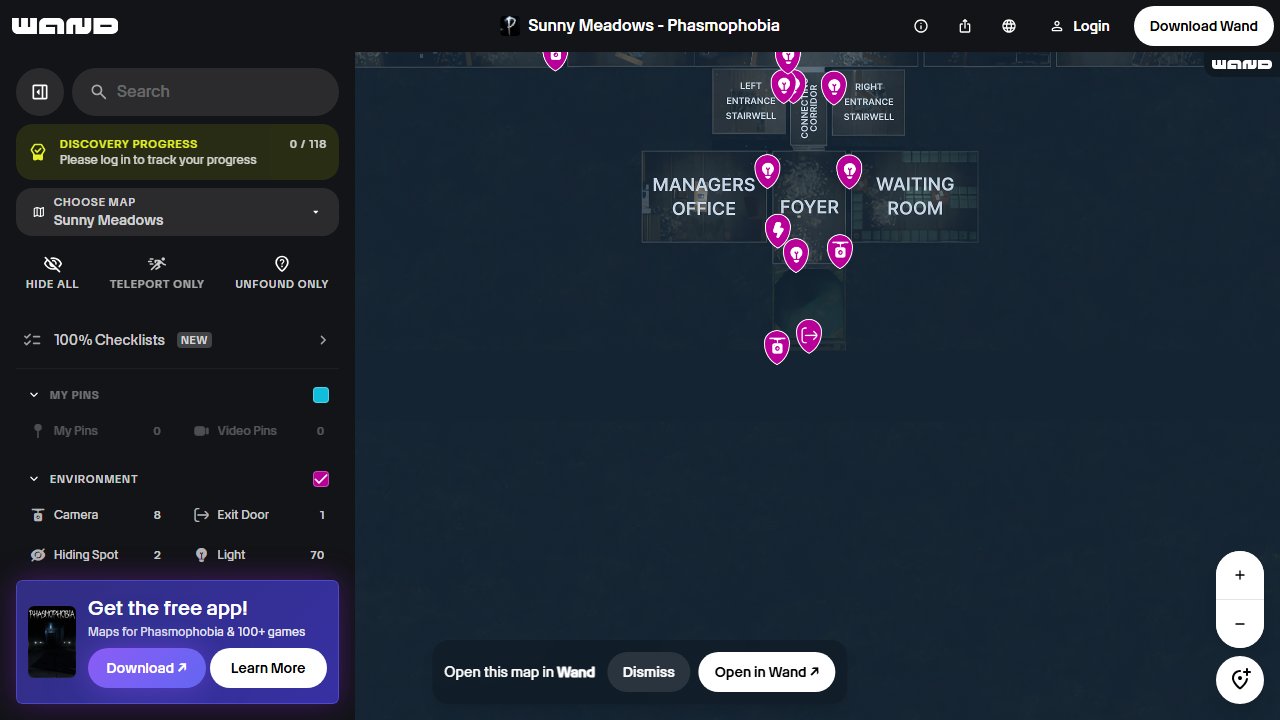
Environment locations in Phasmophobia represent the essential infrastructure and interactive elements that make each investigation site functional and navigable. These markers identify crucial gameplay systems like lighting, power sources, camera positions, and hiding spots that directly impact your survival and evidence-gathering success. The Phasmophobia Interactive Map filters these environment markers to help you quickly identify safe zones, equipment placement opportunities, and escape routes before entering any haunted location. Understanding the layout of these environmental features gives you a tactical advantage when planning your investigation approach.

What Environment Are Used For
Environment markers serve as your foundation for surviving ghost encounters and conducting successful investigations in Phasmophobia. They represent the physical infrastructure that determines your movement options, safety zones, and equipment deployment strategies.
- Establish safe hiding spots during ghost hunts and aggressive supernatural events
- Identify optimal camera placement for monitoring ghost activity and evidence collection
- Locate power sources to maintain lighting and electronic equipment functionality
- Map exit routes for quick escapes when investigations turn dangerous
- Plan lighting strategies to maintain visibility and reduce sanity loss
Environment Types
The environment category encompasses six distinct marker types that represent the physical infrastructure and interactive elements found across Phasmophobia’s investigation sites.
Camera
Camera positions mark strategic surveillance points where you can place video cameras to monitor ghost activity remotely. These locations offer optimal viewing angles for capturing evidence and tracking supernatural movements while maintaining a safe distance from the entity.Exit Door
Exit doors represent your primary escape routes from haunted locations when ghost encounters become too dangerous to continue. Knowing these positions helps you plan quick evacuation strategies and avoid getting trapped during intense supernatural events.Hiding Spot
Hiding spots identify secure locations where you can take cover during ghost hunts and aggressive supernatural encounters. These positions offer protection from hostile entities and provide temporary safety while waiting for dangerous situations to pass.Light
Light markers show controllable illumination sources throughout each investigation site. These environmental features help you maintain visibility, reduce sanity drain from darkness, and create safer working conditions for evidence gathering.Power Source
Power sources mark electrical panels and breaker boxes that control the site’s electrical systems. These locations determine whether your electronic equipment functions properly and whether lighting remains operational during investigations.Miscellaneous
Miscellaneous environment markers cover other interactive elements and notable environmental features that don’t fit the primary categories. These can include unique structural elements, special interaction points, or location-specific environmental details.How to Use the Map Efficiently
Effective environment planning requires understanding the relationship between safety, visibility, and equipment placement across each investigation site.
- Study hiding spot locations near your planned evidence-gathering areas before entering
- Identify the main power source location to quickly restore electricity if the ghost cuts power
- Plan camera placement in high-activity areas with clear sightlines to common ghost spawn points
- Memorize exit door positions from multiple rooms to ensure escape route redundancy
- Map light switch locations along your primary investigation paths to maintain visibility
- Check for environmental chokepoints where the ghost might corner you during hunts
Environment Locations Table
Reference guide for environment marker types and their practical applications during investigations.
| Type | Primary Function | Strategic Value |
|---|---|---|
| Camera | Remote surveillance and evidence capture | Monitor ghost activity from safe distance |
| Exit Door | Emergency evacuation routes | Quick escape during dangerous encounters |
| Hiding Spot | Protection during ghost hunts | Temporary safety from hostile entities |
| Light | Visibility and sanity management | Reduce darkness effects and improve navigation |
| Power Source | Electrical system control | Restore equipment functionality and lighting |
| Miscellaneous | Special environmental interactions | Location-specific tactical advantages |
Tips for Environment Hunting
- Always locate the nearest hiding spot before beginning evidence collection in any room
- Test light switches early in your investigation to identify which areas rely on main power
- Place cameras with overlapping coverage areas to track ghost movement patterns effectively
- Keep exit doors clear of equipment to ensure unobstructed escape routes
- Check power source accessibility before the ghost becomes aggressive and limits your movement
- Use environment markers to create safe zones where team members can regroup during investigations
FAQs
Why do environment locations matter for survival?
Environment locations provide the infrastructure for safety and functionality during investigations. Hiding spots save your life during hunts, power sources keep your equipment working, and exit doors provide escape routes when encounters turn deadly.
How many cameras should I place per investigation?
Most effective setups use 2-3 cameras positioned to cover high-activity areas and potential ghost rooms. Focus on locations with good sightlines rather than quantity, as you need to monitor multiple feeds effectively.
Do all hiding spots work equally well during hunts?
No, hiding spot effectiveness varies based on location, line of sight, and ghost type. Closets and small rooms with doors generally offer better protection than open areas or corners without full concealment.
Can ghosts disable environment features permanently?
Ghosts can temporarily disable lights and cut main power, but these systems can be restored by interacting with power sources or individual switches. Environment structures like hiding spots and exit doors remain functional throughout the investigation.
Credit: Phasmophobia by Wand