Final Fantasy Resonance Map
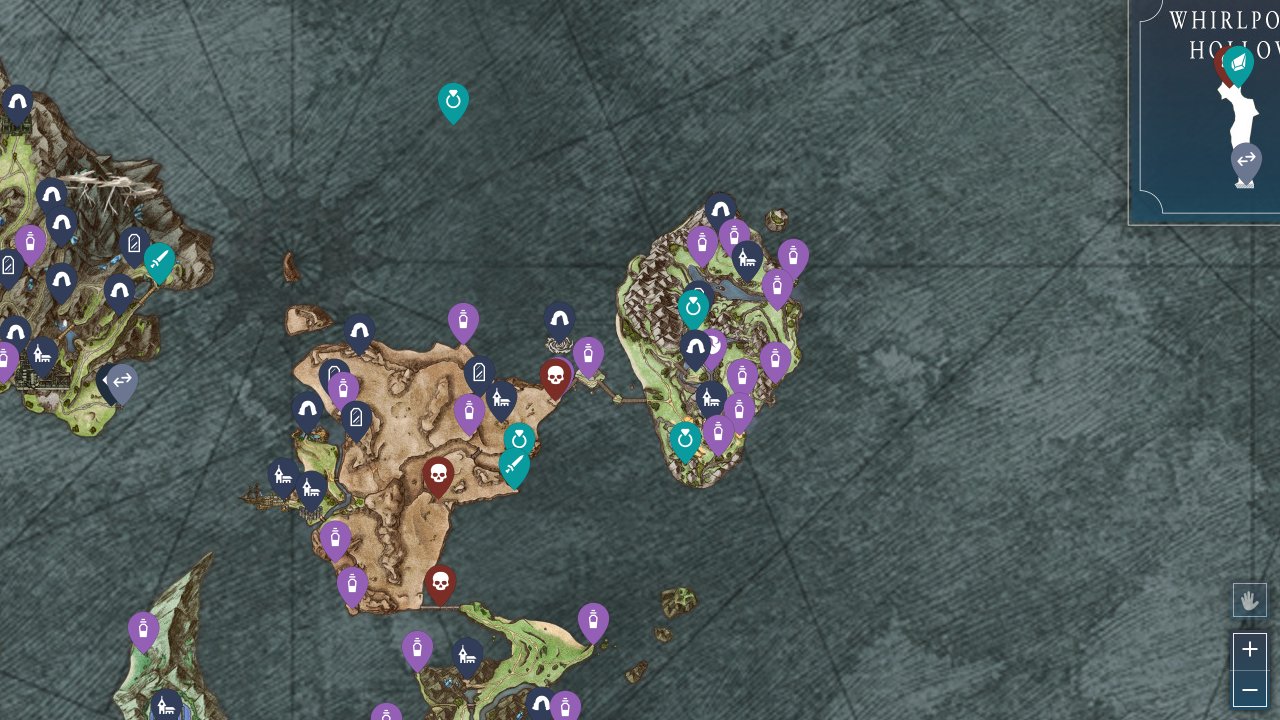
Lapis is a world that fights back against exploration – layered environments, hidden corridors, and enemies that punish the unprepared make it genuinely difficult to find everything on your own. That is exactly where the Final Fantasy Resonance Map becomes indispensable, covering every marker type across the region from Save Points and Dungeons to Vision Crystals and Espers. Merchant NPCs, powerful enemy encounters, and collectibles are scattered throughout dense, overlapping zones, and tracking them without a reliable reference means missing content you will not easily stumble back onto.
The variety of content packed into Lapis is staggering. Tablet Shards hide in hard-to-reach corners, Moogles of Light gate critical progression rewards, and Magic Pot encounters demand you know exactly where to look before you walk past them. Sub Quests and Main Story objectives run in parallel, and keeping track of both requires the kind of structured overview the Final Fantasy Resonance Map delivers – so your exploration stays efficient and no backtracking goes to waste.
How to Use the Final Fantasy Resonance Map
Locations and Exploration: The map plots every Save Point, Town, Dungeon, and Sanctum across Lapis. Use these markers to plan your route before entering new areas, identify safe resting spots, and locate Dungeons you may have bypassed during the main story. Sanctums are especially worth tracking early since they often sit adjacent to key story moments and rare item clusters.
Loot and Resources: Item, Gil, Magicite, Key Item, and Tablet Shard markers are all individually toggleable, letting you zero in on exactly what you need at any given point in your run. Tablet Shards in particular are easy to overlook since they blend into dungeon environments – filtering for them on the map makes collection runs dramatically faster.
Equipment and Gear: Weapon, Armor, Accessory, and Vision Crystal markers show you where powerful gear drops and spawns across Lapis. Vision Crystals are tied to character enhancement systems, so knowing their exact locations ahead of time helps you build around specific playstyles without grinding blindly.
Services and Vendors: Rest Spots, Item Shops, Accessory Shops, Weapon Shops, Armor Shops, and Moogles of Light all appear as distinct NPC markers. Before heading into a tough Dungeon or boss encounter, cross-reference nearby vendor markers to make sure you stock up on the right consumables and gear upgrades without unnecessary detours.
Quests and Objectives: Main Story and Sub Quest markers give you a clear picture of where the narrative is heading and what optional content sits nearby. Layering quest markers with enemy and location markers helps you complete objectives efficiently rather than exploring regions piecemeal.
Enemies and Combat: Enemy, Cave Master, Magic Pot, and Esper markers let you locate specific encounters without wandering. Magic Pots reward specific item offerings and are notoriously elusive, while Espers represent major combat milestones tied to character power spikes – knowing their exact locations changes how you approach progression entirely.
What the Final Fantasy Resonance Map Can Do
Streamline Your Route Through Lapis
Lapis is a single, interconnected world with dense content distribution across Dungeons, Sanctums, and Towns. Using the map to preview Save Point and Town placement before entering a new zone lets you plan resting points and resource runs in advance. This eliminates unnecessary backtracking and keeps your session momentum high, especially during longer dungeon sequences.
Track Every Collectible Across the World
Tablet Shards, Magicite, and Key Items are the collectible backbone of Final Fantasy Resonance, and each category has a dedicated marker layer you can isolate on the map. Toggle off all other categories and work through each collectible type systematically, marking items as found to keep your progress visible and accurate. This approach is far more reliable than relying on in-game inventory checks alone.
Support Equipment and Vision Crystal Progression
Vision Crystals directly fuel character progression in Final Fantasy Resonance, making their locations some of the most strategically important markers on the entire map. By cross-referencing Vision Crystal locations with nearby Weapon, Armor, and Accessory markers, you can build targeted farming loops that strengthen specific characters without wasting time in low-yield areas. Planning gear acquisition this way turns a slow grind into a focused, satisfying progression curve.
Manage Esper and Boss Encounter Preparation
Espers are some of the most demanding encounters in Lapis, and entering a fight underprepared is a quick route to frustration. The map lets you locate the nearest Weapon Shop, Armor Shop, and Rest Spot before committing to an Esper encounter, giving you a clear pre-fight checklist to run through. Cave Master markers serve a similar purpose for players farming rare drops or testing combat builds in controlled enemy encounters.
Plan Sub Quest Completion Without Missing Triggers
Sub Quests in Final Fantasy Resonance are often tied to specific NPCs, locations, and enemy encounters that appear in limited windows. The map layers Sub Quest markers alongside NPC and Enemy markers so you can identify where quest givers, targets, and rewards are all positioned relative to each other. This contextual view makes it easy to complete sub quest chains in a logical order rather than stumbling across them out of sequence.
Final Fantasy Resonance Map Overview
A quick reference for the key features of this interactive map.
| Category | Example | Why It Matters |
|---|---|---|
| Locations | Dungeon, Sanctum, Save Point | Plan safe routes, rest stops, and dungeon entry points across Lapis before committing to an area |
| Items and Collectibles | Tablet Shard, Magicite, Key Item | Isolate specific collectible types to run efficient collection loops without missing hidden pickups |
| Equipment | Vision Crystal, Weapon, Armor | Locate gear and progression-critical crystals to build targeted farming routes for specific characters |
| NPCs and Vendors | Moogle of Light, Weapon Shop, Rest Spot | Find merchants and services near tough encounters to optimize preparation without wasted travel |
| Enemies | Esper, Magic Pot, Cave Master | Locate rare and powerful enemies for farming, progression unlocks, and combat challenge milestones |
Frequently Asked Questions
What does the Final Fantasy Resonance Map cover?
The Final Fantasy Resonance Map covers the entire world of Lapis across six marker categories: Locations, Items, Equipment, NPCs, Quests, and Enemies. Every marker type – from Save Points and Sanctums to Vision Crystals, Espers, and Moogles of Light – is included and individually toggleable so you can filter exactly what you need.
How does this map help with 100% completion?
The map makes completion approachable by letting you track each marker category independently. Toggle on Tablet Shards to find every collectible, switch to Sub Quest markers to confirm you have not missed any optional objectives, and check NPC markers for Moogles of Light that tie into completion rewards. Marking items as found keeps your progress visible across every play session.
Are collectibles included on this map?
Yes. The map includes dedicated markers for Items, Tablet Shards, Gil, Magicite, and Key Items – all of which qualify as collectible content in Final Fantasy Resonance. Each type has its own toggleable layer, so you can isolate and hunt specific collectibles without visual clutter from other marker categories.
Does this map support the game’s progression systems?
Directly, yes. Vision Crystal markers show exactly where character progression resources are located across Lapis, which is critical for players building specific party configurations. Esper markers also tie into major power unlocks, and knowing their locations ahead of time lets you prepare at nearby vendor and Rest Spot locations before engaging those encounters.
Is the Final Fantasy Resonance Map complete?
The map is actively maintained and covers all six marker categories across the Lapis region. As with any community-supported interactive map, marker data continues to be refined and expanded as the game’s content is more thoroughly explored. Check back regularly to make sure you are working with the most current version of the map data.
Credit: Final Fantasy Resonance Map by MapGenie