All Locations: The Elder Scrolls IV Oblivion Remastered Guide
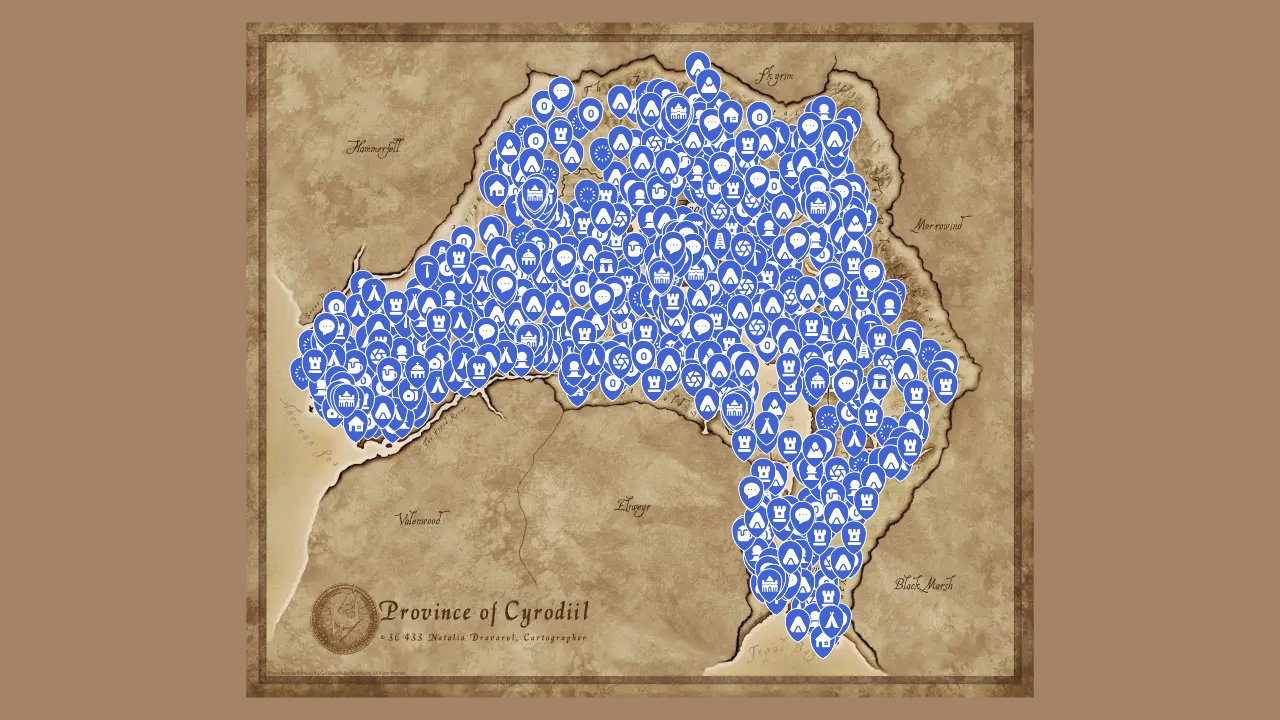
Locations in The Elder Scrolls IV Oblivion Remastered encompass every significant point of interest across Cyrodiil’s vast landscape. From ancient Ayleid ruins to bustling cities, these markers form the backbone of exploration and quest progression throughout your adventure.
The Elder Scrolls IV Oblivion Remastered Interactive Map provides comprehensive location tracking to help you navigate efficiently between dungeons, settlements, and unique landmarks. This filtered view eliminates guesswork when planning routes or searching for specific types of destinations across the province.

What Locations Are Used For
Locations serve as quest hubs, loot sources, and fast-travel anchors that define your progression through Cyrodiil. These markers represent every explorable destination that contributes to character advancement and world discovery.
- Quest initiation points where NPCs provide missions and storylines
- Dungeon entrances containing valuable loot, skill books, and unique equipment
- Fast-travel destinations that reduce backtracking across the massive world map
- Trading posts and services for equipment repair, spell purchasing, and item sales
- Shrine locations offering permanent stat bonuses and disease cures
Locations Types
Cyrodiil contains diverse location types, each serving specific gameplay functions from combat challenges to story advancement.
Landmark
Notable geographical features and memorable locations that serve as navigation reference points. These markers help orient yourself within Cyrodiil’s regions and often contain minor secrets or scenic views worth discovering during travels.
Oblivion Gate
Demonic portals that spawn randomly across Cyrodiil during the main questline crisis. Each gate leads to unique Oblivion plane dungeons containing Sigil Stones for enchanting and valuable Daedric equipment rewards.
Ayleid Well
Ancient magical fountains that restore your Magicka when activated. These wells provide crucial magical energy recovery in remote areas and can be repeatedly used, making them valuable waypoints for spellcasters.
Cave
Natural underground systems housing bandits, creatures, and hidden treasure caches. Caves offer excellent early-game loot opportunities and skill training through combat encounters with varied enemy types.
Settlement
Small communities providing basic services like shops, inns, and quest opportunities. Settlements serve as regional trading hubs and often feature unique local storylines or specialized merchants.
Fort Ruin
Abandoned Imperial fortifications now occupied by bandits, undead, or creatures. These locations typically contain valuable military equipment, spell tomes, and challenging combat encounters for experienced adventurers.
Camp
Temporary bandit or creature encampments scattered across wilderness areas. Camps offer quick combat encounters and modest loot rewards while serving as convenient fast-travel points.
Wayshrine
Divine blessing locations dedicated to the Nine Divines that cure diseases and provide temporary stat bonuses. Wayshrines offer essential healing services in remote locations without requiring temple visits.
Daedric Shrine
Altar locations for Daedric Prince worship that initiate powerful artifact quests. These shrines unlock some of the game’s most potent magical items through challenging questlines and moral choices.
City
Major population centers containing guild headquarters, advanced merchants, and primary questlines. Cities provide comprehensive services including spellmaking, enchanting, and high-level training opportunities.
Mine
Underground excavation sites containing ore veins, mining equipment, and often dangerous creatures. Mines provide crafting materials and unique loot while presenting claustrophobic combat scenarios.
Magical Stone
Mystical monuments offering permanent stat increases or special magical effects. These rare locations provide character enhancement opportunities that significantly impact long-term gameplay progression.
Inn
Roadside establishments offering bed rental, food, drink, and local rumors. Inns serve as rest stops that restore health and provide information about regional quests and activities.
Ayleid Ruin
Ancient Elven architectural sites containing powerful magical artifacts and complex trap systems. These dungeons offer the most challenging exploration experiences with correspondingly valuable magical rewards.
Chapel
Religious buildings dedicated to Divine worship providing healing, blessing, and pilgrimage opportunities. Chapels offer sanctuary services and often feature important NPCs for faction questlines.
Npc
Specific character locations for unique individuals offering specialized services or questlines. These markers track important personalities who provide rare training, items, or story advancement opportunities.
Guild Hall
Faction headquarters providing advancement opportunities, specialized training, and exclusive equipment access. Guild halls serve as progression hubs for the various organizations throughout Cyrodiil.
House
Residential buildings offering potential player ownership or containing unique NPCs and quest opportunities. Houses represent investment opportunities and personal storage solutions in various settlements.
Campsite
Established rest areas with bedrolls and campfires providing safe sleeping locations. Campsites offer convenient rest stops during long wilderness journeys without requiring inn payments.
Fort Ruins
Deteriorated military installations featuring complex layouts and valuable loot caches. These locations challenge players with multi-level exploration while rewarding thorough investigation with rare equipment.
Obelisk of Order
Shivering Isles monuments representing Order faction influence within the realm. These structures play crucial roles in the expansion’s main questline and territorial control mechanics.
How to Use the Map Efficiently
Strategic location planning maximizes exploration rewards while minimizing travel time across Cyrodiil’s expansive terrain.
- Cluster nearby locations into single expeditions to reduce fast-travel costs and time investment
- Prioritize city and settlement visits for equipment repairs and supply restocking between dungeon runs
- Mark Ayleid Wells along your planned routes to ensure magical energy recovery during extended adventures
- Schedule Daedric Shrine visits according to character level requirements for optimal artifact acquisition
- Use landmark markers as navigation aids when exploring unmapped wilderness regions
- Plan fort and ruin exploration during appropriate character levels to handle combat challenges effectively
Locations Locations Table
Reference guide for location types and their primary benefits throughout Cyrodiil.
| Type | What You Get | Notable Detail |
|---|---|---|
| Landmark | Navigation reference | Scenic views and orientation |
| Oblivion Gate | Sigil Stones, Daedric loot | Random spawn locations |
| Ayleid Well | Magicka restoration | Reusable magical energy |
| Cave | Basic loot, combat | Early game friendly |
| Settlement | Basic services, quests | Regional trading hubs |
| Fort Ruin | Military equipment | Challenging encounters |
| Camp | Quick loot, fast travel | Convenient waypoints |
| Wayshrine | Disease cure, blessings | Divine stat bonuses |
| Daedric Shrine | Artifact quests | Powerful unique items |
| City | Advanced services | Guild headquarters |
| Mine | Ore veins, materials | Crafting resources |
| Magical Stone | Permanent stat boosts | Character enhancement |
| Inn | Rest, rumors, food | Health restoration |
| Ayleid Ruin | Magical artifacts | Complex trap systems |
| Chapel | Healing, blessings | Divine worship |
| Npc | Unique services | Specialized training |
| Guild Hall | Faction advancement | Exclusive equipment |
| House | Ownership potential | Storage solutions |
| Campsite | Free rest stops | Wilderness shelter |
| Fort Ruins | Rare equipment | Multi-level exploration |
| Obelisk of Order | Expansion content | Shivering Isles faction |
Tips for Locations Hunting
- Save before entering unknown locations to experiment with different approach strategies
- Carry lockpicks and repair hammers when exploring ruins and dungeons for maximum loot access
- Visit Ayleid Wells before tackling nearby ruins to ensure sufficient magical energy for spells
- Check settlement notice boards for location-specific quests that provide additional context and rewards
- Use invisibility or stealth to scout dangerous locations before committing to full exploration
- Mark completed locations on your map to track exploration progress across different regions
FAQs
Do Oblivion Gates respawn after closing them?
No, once you close an Oblivion Gate by retrieving its Sigil Stone, that specific gate is permanently closed and will not reopen. New gates may appear in different locations as the main quest progresses.
Can I own multiple houses across different cities?
Yes, you can purchase and own houses in multiple cities simultaneously. Each house requires completing specific quests and paying the purchase price, but there’s no limit to total ownership.
Do Ayleid Wells have usage limitations?
Ayleid Wells can be used repeatedly without cooldown or usage limits. They fully restore your Magicka each time you activate them, making them reliable magical energy sources during exploration.
Are there level requirements for Daedric Shrine quests?
Most Daedric Shrines require minimum character levels ranging from 2 to 20 before their quests become available. Some also require specific items or conditions to initiate the associated questlines.
Credit: The Elder Scrolls IV Oblivion Remastered by Wand