All Locations: Grounded Guide
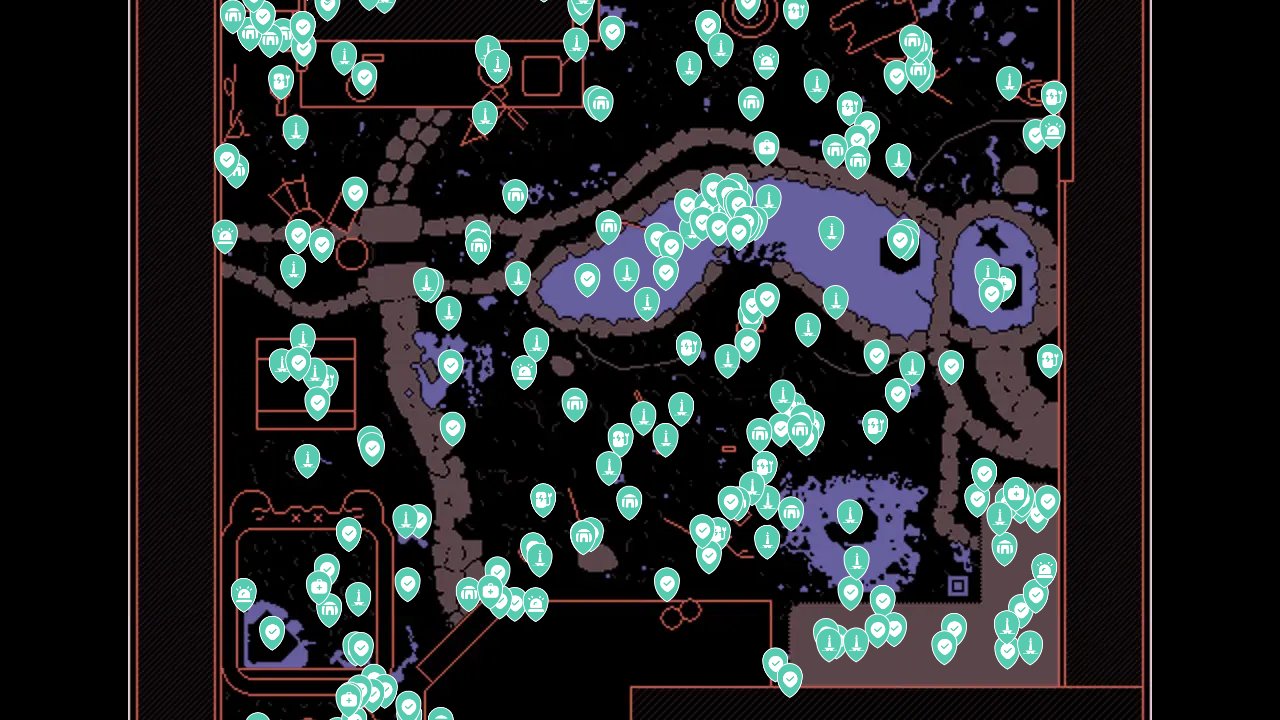
Locations in Grounded represent critical points of interest scattered throughout the miniaturized backyard environment. From hidden laboratories to mysterious field stations, these markers guide players through the game’s most important story beats and resource-rich areas.
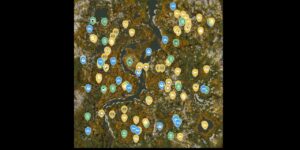
The Grounded Interactive Map filters all location markers to help you navigate the complex terrain efficiently. Each location type serves distinct purposes, whether advancing the main storyline, unlocking new crafting recipes, or providing essential fast-travel points across the vast backyard.
What Locations Are Used For
Locations serve as the backbone of progression in Grounded, offering story advancement, resource access, and navigation waypoints. These markers represent essential stops on your journey from tiny survivor to backyard explorer.
- Advancing the main storyline through key story locations
- Unlocking fast-travel points for efficient backyard navigation
- Discovering unique crafting materials and recipes
- Accessing underground tunnel networks for safe passage
- Finding research stations that unlock new technologies
Locations Types
The backyard contains six distinct types of locations, each serving unique gameplay functions from story progression to resource gathering and navigation.
Area of Interests
These locations mark significant environmental features and story-relevant zones throughout the backyard. They often contain unique resources, environmental hazards, or serve as landmarks for navigation. Many areas of interest tie directly into the main questline or provide access to rare materials needed for advanced crafting.
Tunnels
Underground tunnel systems provide safe passage between distant areas of the backyard, bypassing dangerous surface routes. These locations connect major regions and often house valuable resources or story elements. Tunnels become increasingly important as you venture into hostile territories populated by larger insects.
Mix.R
Mix.R stations are automated resource processing facilities scattered throughout the backyard environment. These locations provide access to advanced crafting materials and often require specific items or quest completion to activate. They represent key technological elements in the game’s underlying mystery.
Laboratory
Laboratory locations house critical story content and advanced research facilities. These areas typically contain audio logs, research data, and unique crafting stations that unlock powerful equipment recipes. Laboratories are essential for understanding the game’s central narrative and accessing endgame content.
Landmarks
Landmark locations serve as major navigation points and often house significant gameplay features like base-building opportunities or unique environmental challenges. These spots help orient players within the massive backyard space and frequently offer stunning vantage points for surveying surrounding areas.
Field Stations
Field stations function as fast-travel hubs and research outposts, providing essential services for backyard exploration. These locations offer respawn points, storage access, and research terminals for analyzing discovered specimens. Activating field stations creates a network of safe zones throughout the dangerous backyard environment.
How to Use the Map Efficiently
Planning efficient routes between locations requires understanding the backyard’s terrain, danger zones, and interconnected systems that link different marker types.
- Prioritize field stations early to establish fast-travel networks before venturing into dangerous areas
- Use tunnel entrances to safely traverse between regions without facing surface predators
- Plan laboratory visits around story progression to maximize narrative understanding
- Identify landmark clusters to efficiently explore multiple locations in single expeditions
- Coordinate Mix.R station visits with resource gathering runs to maximize material collection
- Mark safe paths between locations to avoid repeatedly encountering hostile insects
Locations Locations Table
Each location type provides distinct benefits and serves specific roles in backyard survival and exploration.
| Type | Primary Function | Key Benefits |
|---|---|---|
| Area of Interests | Story progression and unique resources | Quest advancement and rare materials |
| Tunnels | Safe underground travel routes | Bypass surface dangers and connect regions |
| Mix.R | Automated resource processing | Advanced crafting materials and technology |
| Laboratory | Research facilities and story content | Equipment recipes and narrative elements |
| Landmarks | Navigation and base locations | Orientation points and building opportunities |
| Field Stations | Fast-travel and research hubs | Respawn points and specimen analysis |
Tips for Locations Hunting
- Activate field stations immediately upon discovery to expand your fast-travel network
- Bring light sources when exploring tunnels as many passages are completely dark
- Stock up on healing items before visiting laboratories in dangerous areas
- Use landmarks as staging points for extended exploration expeditions
- Check Mix.R stations regularly as they may require periodic maintenance or resource input
- Coordinate location visits with daily quest objectives to maximize efficiency
FAQs
Can I fast-travel between all field stations?
Yes, once activated, all field stations become part of a connected fast-travel network accessible from any other active station.
Do tunnels connect to all areas of the backyard?
Tunnel networks cover major regions but don’t reach every area. Some remote locations require surface travel or alternative routes.
Are laboratory locations dangerous to explore?
Many laboratories are located in hazardous areas or contain environmental dangers, so proper equipment and preparation are recommended before exploring.
What happens if I miss important locations during story progression?
Most locations remain accessible throughout the game, allowing you to return and explore missed areas even after completing main story objectives.
Credit: Grounded by Wand