All Locations: Green Hell Guide
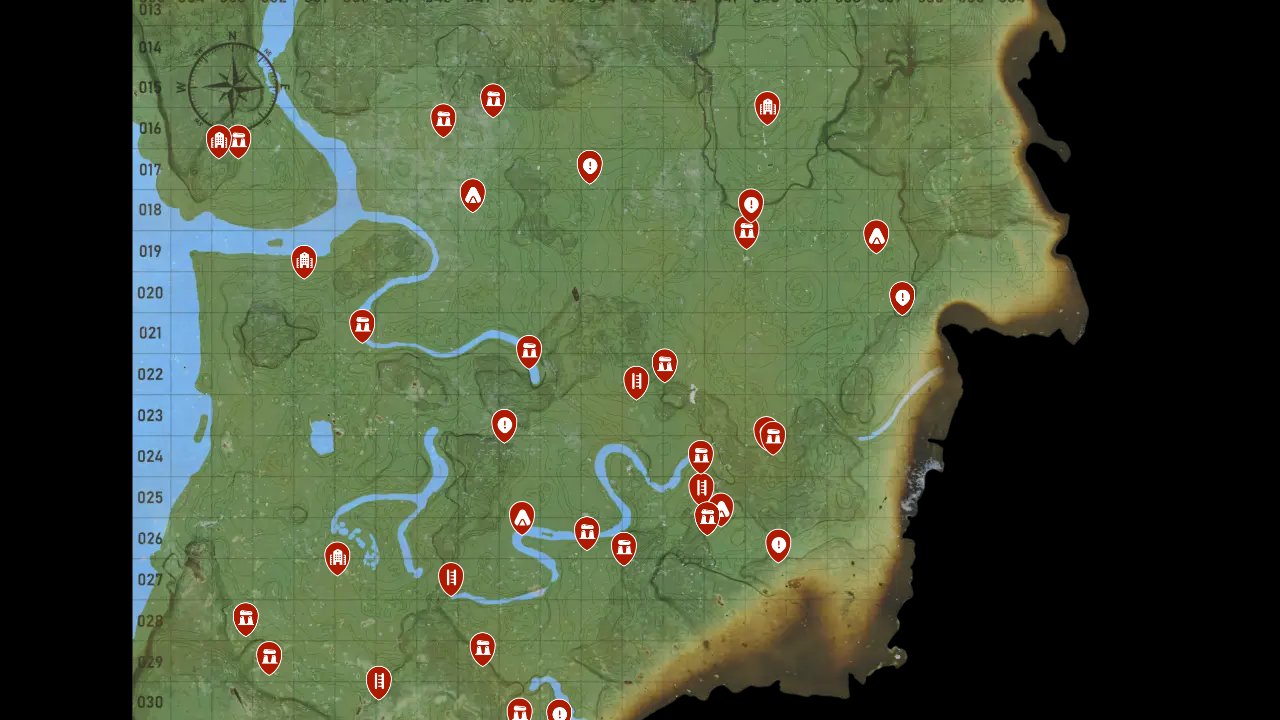
Locations in Green Hell serve as critical navigation points and resource hubs throughout the Amazon rainforest. These markers identify everything from safe camping spots to dangerous tribal territories, helping you plan routes and avoid deadly encounters in the unforgiving jungle.
Using the Green Hell Interactive Map with the Locations filter active reveals the full scope of discoverable areas across the game world. Each marker type provides essential information for survival planning, whether you’re seeking shelter, avoiding hazards, or tracking down story elements scattered throughout the wilderness.

What Locations Are Used For
Locations provide essential waypoints for navigation and survival strategy in Green Hell’s vast jungle environment. They mark safe zones, resource areas, and story-critical sites that directly impact your chances of survival.
- Establish safe camping areas with access to fresh water and resources
- Identify tribal territories to avoid hostile encounters
- Locate caves for shelter and valuable materials
- Find climbing spots to access elevated areas and shortcuts
- Track story progression through legend stones and settlements
Locations Types
The Locations category encompasses ten distinct marker types, each serving specific survival and exploration purposes throughout Green Hell’s challenging environment.
Native Camp
Native camps mark tribal settlements where indigenous people live and work. These areas typically contain hostile tribes that will attack on sight, making them extremely dangerous to approach. However, they often guard valuable resources and crafting materials that can be scavenged if you can safely eliminate or avoid the inhabitants.
Cave
Caves provide natural shelter from the elements and predators while offering access to unique materials like iron ore and clay. Many caves connect to underground water sources and contain rare plants that don’t grow on the surface. They serve as excellent temporary bases during exploration of remote areas.
Points of Interest
Points of interest highlight unique landmarks, abandoned structures, and notable geographical features throughout the jungle. These locations often contain lore elements, valuable supplies, or serve as important navigation references when planning longer expeditions through unmarked territory.
Settlement
Settlements represent larger inhabited areas with multiple structures and resources. These locations typically offer more substantial loot opportunities but come with increased danger from multiple hostile inhabitants. They often contain modern supplies and equipment left behind by previous expeditions.
Climbing Spot
Climbing spots mark areas where you can scale cliffs, trees, or rock formations to access elevated terrain. These locations provide shortcuts through difficult jungle terrain and often lead to hidden areas with unique resources. Mastering these routes significantly improves your mobility across the map.
Camp
Camps indicate established or potential camping locations that offer strategic advantages for survival. These spots typically provide access to water sources, flat ground for shelter construction, and proximity to essential resources. They serve as ideal bases for extended exploration of surrounding areas.
Tribespeople
Tribespeople markers indicate the presence of individual or small groups of indigenous inhabitants. Unlike larger camps, these encounters may offer opportunities for different types of interactions, though caution remains essential. They often guard specific resources or block access to certain areas.
Legend Stone
Legend stones contain ancient tribal markings and symbols that provide crucial story information and cultural context. These archaeological sites advance the main narrative and often reveal important details about the jungle’s history and the fate of previous expeditions.
Toxic Waste
Toxic waste sites mark areas contaminated by industrial pollution or chemical spills. These extremely hazardous locations cause rapid health degradation but may contain valuable modern equipment. Proper protection and quick extraction are essential when approaching these deadly zones.
Moon Cave
Moon caves represent special underground locations with unique properties and rare resources. These mysterious sites often contain ceremonial artifacts and provide access to otherwise unobtainable materials essential for advanced crafting recipes and story progression.
How to Use the Map Efficiently
Strategic planning around Locations markers prevents dangerous surprises and maximizes resource gathering efficiency during jungle expeditions.
- Check for nearby caves before establishing permanent camps to secure backup shelter options
- Plot routes that avoid multiple native camps when carrying valuable supplies
- Identify climbing spots to create efficient paths between distant resource areas
- Mark toxic waste locations early to prevent accidental exposure during exploration
- Plan legend stone visits during daylight hours when visibility allows proper examination
- Use settlements as landmark references when navigating unmarked jungle areas
Locations Locations Table
Each location type offers distinct advantages and challenges for jungle survival.
| Type | What You Get | Notable Detail |
|---|---|---|
| Native Camp | Tribal weapons and crafted items | Extremely hostile inhabitants |
| Cave | Iron ore, clay, and shelter | Natural water sources inside |
| Points of Interest | Lore items and unique supplies | Important navigation landmarks |
| Settlement | Modern equipment and tools | Multiple hostile defenders |
| Climbing Spot | Access to elevated areas | Shortcuts through difficult terrain |
| Camp | Strategic camping locations | Flat ground near resources |
| Tribespeople | Variable interaction outcomes | Individual or small groups |
| Legend Stone | Story progression elements | Ancient tribal knowledge |
| Toxic Waste | Industrial equipment | Causes rapid health damage |
| Moon Cave | Ceremonial artifacts | Rare crafting materials |
Tips for Locations Hunting
- Approach native camps from elevated positions to scout defender numbers and patrol patterns
- Carry antidotes and healing items when exploring areas near toxic waste sites
- Mark safe camping spots during early exploration to establish supply routes
- Use climbing spots to escape dangerous encounters with hostile tribespeople
- Visit legend stones with sufficient light sources to properly read the inscriptions
- Plan cave exploration with multiple torches and emergency supplies for extended underground trips
FAQs
How do I safely approach native camps in Green Hell?
Scout from elevated positions first, eliminate sentries quietly with ranged weapons, and always have an escape route planned before engaging multiple hostiles.
What protection do I need for toxic waste areas?
Toxic waste sites cause continuous health damage regardless of equipment, so bring multiple healing items and plan for quick extraction rather than extended exploration.
Can I build permanent bases at marked camp locations?
Yes, camp markers indicate ideal spots for shelter construction with access to water and resources, making them perfect for establishing permanent or temporary bases.
Do legend stones provide gameplay benefits beyond story information?
Legend stones primarily advance the narrative and provide cultural context, but some may unlock new areas or provide hints for finding rare resources and locations.
Credit: Green Hell by Wand