All Lifeform Locations: Grounded Guide
Lifeforms in Grounded represent the diverse ecosystem of creatures that populate the backyard environment, from tiny mites to massive wolf spiders. These creatures serve multiple purposes throughout your survival journey, providing essential resources, crafting materials, and gameplay challenges that define the core experience.
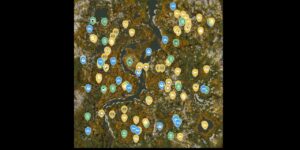
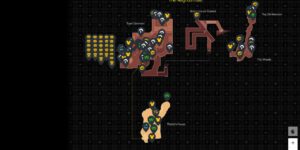
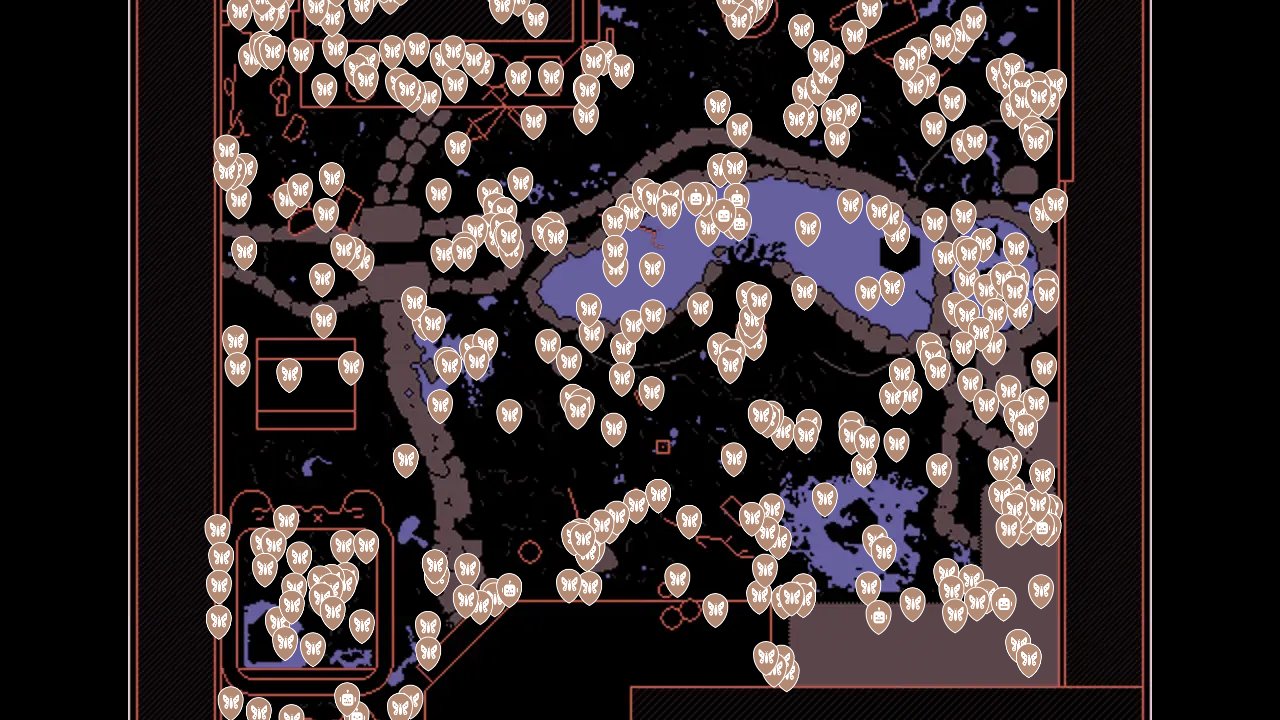
The Grounded Interactive Map tracks every creature type across the backyard, helping you locate specific lifeforms for hunting, harvesting, or strategic avoidance. Understanding where each creature spawns allows you to plan efficient resource gathering routes and prepare for encounters with the game’s more dangerous inhabitants.

What Lifeforms Are Used For
Lifeforms provide the primary source of crafting materials, food resources, and progression-blocking challenges in Grounded. Each creature drops specific parts needed for equipment upgrades, base construction, and recipe unlocks.
- Harvest creature parts for weapon and armor crafting
- Collect food sources to maintain hunger and health
- Defeat boss creatures to unlock new areas and recipes
- Farm renewable resources from respawning creatures
- Complete science experiments requiring specific creature materials
Lifeforms Types
The backyard contains dozens of creature types, each with distinct behaviors, drop tables, and habitat preferences that influence your exploration strategy.
Antlion
Desert-dwelling predators found in sandy areas that burrow underground and ambush unsuspecting players. They drop valuable chitin and mandible parts used for advanced crafting recipes. Their territorial nature makes them dangerous but predictable once you learn their spawn patterns.
Bee
Flying insects that patrol flower areas and provide honey-based resources when defeated. They’re relatively peaceful unless provoked but become aggressive when their territory is invaded. Bee parts are essential for certain food recipes and specialized equipment.
Black Ant
Common worker ants found throughout the lower yard that serve as excellent early-game resource sources. They drop ant parts used in basic crafting recipes and provide a steady supply of food. Their predictable patrol routes make them reliable targets for new players.
Black Ox Beetle
Massive armored beetles that roam specific areas and provide high-tier crafting materials. Their thick carapace makes them challenging opponents but rewards players with some of the best defensive materials in the game. They’re slow but deal devastating damage in close combat.
Bombardier Beetle
Explosive insects that spray corrosive chemicals when threatened, making them dangerous but valuable targets. Their unique acid glands are required for several advanced recipes and chemical-based weapons. Approach with proper protective equipment to avoid their defensive spray.
Diving Bell Spider
Aquatic spiders found in pond areas that create air bubbles underwater. They’re unique among spider types for their swimming ability and drop specialized materials for underwater exploration gear. Their webs can be harvested for water-resistant crafting components.
Fire Ant
Aggressive red ants with burning attacks that inhabit the upper yard’s hotter regions. They drop fire-resistant materials and spicy food components that provide heat-based buffs. Their colonies are well-defended but contain valuable resources for desert exploration.
Firefly
Nocturnal flying insects that provide bioluminescent materials for lighting and special crafting recipes. They only appear during night cycles and are essential for creating sustainable light sources. Their glowing abdomens are particularly valuable for underwater exploration equipment.
Green Shield Bug
Defensive insects with natural armor plating that provide mid-tier crafting materials. Their shield-like carapace is used in protective gear recipes and provides good defense-to-weight ratios. They’re moderately aggressive and often found in garden areas.
Grub
Large larvae found in compost and decay areas that serve as excellent food sources and provide basic crafting materials. They’re non-aggressive but valuable for sustaining hunger during exploration. Their fat content makes them ideal for cooking recipes that provide long-lasting buffs.
Ladybird
Colorful beetles with distinctive spotted shells that drop decorative and functional crafting materials. Their cheerful appearance masks their territorial nature, especially when protecting their territory. Ladybird parts are used in several aesthetic building components.
Ladybug
Similar to ladybirds but with different behavioral patterns and drop tables. They’re generally more docile but provide consistent access to beetle-based crafting materials. Their shells are particularly useful for creating lightweight armor pieces.
Larvae
Immature insect forms found in various nests and breeding areas throughout the yard. They’re vulnerable but numerous, providing bulk quantities of basic materials. Different larvae types drop materials corresponding to their adult forms.
Mosquito
Flying bloodsuckers that inhabit wet areas and pose constant annoyance during exploration. While individually weak, they travel in swarms and can drain health quickly. Their proboscis and wings are used in specialized tool crafting.
Mite
Tiny parasitic creatures found on larger insects and in hidden crevices around the yard. They’re barely visible but provide unique crafting materials for precision tools and delicate equipment. Their small size makes them difficult targets but worthwhile for specialized builds.
Moth
Nocturnal flying insects attracted to light sources that drop wing scales and fluff materials. They’re generally passive but become aggressive if their territory is threatened. Moth materials are essential for crafting gliding equipment and soft armor padding.
Orb Weaver Spider
Web-building spiders that create elaborate trap networks in trees and tall structures. Their silk is among the highest quality available and their venom sacs provide powerful crafting components. They’re territorial but predictable in their web-bound behavior.
Red Ant
Warrior ants with enhanced combat abilities compared to their black counterparts. They guard valuable territories and drop superior ant parts used in advanced weapons and tools. Their aggressive nature makes them challenging but rewarding opponents.
Robots
Mechanical creatures that patrol specific areas and drop unique technological components. These artificial lifeforms provide access to electronic crafting materials unavailable from organic sources. They’re heavily armored but vulnerable to specific damage types.
Roly Poly
Armored pill bugs that roll into defensive balls when threatened. Their segmented shells provide excellent protective materials for armor crafting. They’re generally peaceful but become aggressive when cornered or protecting their territory.
Scarab
Dung-rolling beetles found in waste areas that provide specialized crafting materials. Their strength and determination make them surprisingly tough opponents despite their unglamorous habitat. Scarab parts are used in heavy-duty construction and tool recipes.
Spiderling
Juvenile spiders that swarm around adult spider territories. While individually weak, they attack in groups and can overwhelm unprepared players. Their small silk glands provide basic web materials for early crafting needs.
Tadpole
Aquatic larvae found in pond areas that serve as water-based food sources. They’re completely defenseless but provide essential nutrition for underwater exploration. Tadpole materials are also used in swimming-related equipment crafting.
Termite
Wood-eating insects that inhabit rotting logs and wooden structures. They’re social creatures that work in groups and drop materials used in construction and tool crafting. Their mandibles are particularly valuable for wood-working equipment.
Tick
Blood-sucking parasites that attach to players and other creatures. They’re small but persistent, requiring specific removal techniques. Tick parts are used in medical crafting recipes and provide components for health-related items.
Unique Lifeforms
Special creature variants and boss monsters that appear in specific locations or under certain conditions. These rare encounters provide unique materials unavailable anywhere else in the game. They often guard important progression items or unlock new areas.
Wasp
Aggressive flying insects with powerful stingers that inhabit elevated areas and nests. They’re among the most dangerous flying enemies and drop high-quality materials for advanced weapons. Their territorial nature makes them predictable but deadly opponents.
Water Boatman
Swimming insects found in pond areas that provide aquatic crafting materials. They’re excellent swimmers but vulnerable on land, making water combat essential for harvesting their parts. Their materials are used in underwater exploration gear.
Water Flea
Tiny aquatic creatures that swarm in water areas and provide basic water-based crafting materials. While individually insignificant, they appear in large numbers and can be efficiently harvested. Their materials support underwater breathing equipment.
Weevil
Small beetle-like insects with elongated snouts found in plant areas. They’re plant-eaters that provide specialized materials for garden-related crafting recipes. Their snouts are particularly useful for precision tool crafting.
Wolf Spider
Large hunting spiders that actively patrol territories and represent major combat challenges. They drop the highest quality spider materials and guard valuable territory. Their aggressive hunting behavior makes them dangerous but predictable opponents.
Black Widow
Venomous spiders with deadly bites that inhabit dark corners and secluded areas. They’re among the most dangerous creatures in the game but provide unique venom-based crafting materials. Their webs are also premium quality for silk harvesting.
Stinkbug
Defensive insects that release noxious odors when threatened or defeated. While unpleasant to fight, they provide unique materials for chemical-based weapons and defensive equipment. Their natural armor also makes them valuable for protection-focused crafting.
How to Use the Map Efficiently
Planning creature encounters requires understanding spawn patterns, territory boundaries, and resource respawn timers to maximize your harvesting efficiency.
- Mark dangerous creatures like wolf spiders and black widows to plan safe travel routes
- Identify resource-rich areas where multiple creature types overlap for efficient farming
- Track nocturnal creatures like fireflies and moths that only appear during night cycles
- Locate water-based creatures near pond edges for combined land and aquatic resource gathering
- Plan hunting routes that connect creature territories with fast-travel points for quick resupply
- Use creature density information to avoid overwhelming encounters while resource farming
Lifeforms Locations Table
Reference guide for creature types, their primary drops, and key characteristics for hunting strategy.
| Type | What You Get | Notable Detail |
|---|---|---|
| Antlion | Chitin, Mandibles | Burrows in sand, ambush predator |
| Bee | Honey, Bee Parts | Peaceful unless territorial |
| Black Ant | Ant Parts, Food | Common early-game resource |
| Black Ox Beetle | Heavy Chitin, Mandibles | Slow but devastating damage |
| Bombardier Beetle | Acid Glands, Chitin | Explosive chemical spray defense |
| Diving Bell Spider | Water Silk, Venom | Creates underwater air bubbles |
| Fire Ant | Fire Parts, Spicy Food | Heat-based attacks and drops |
| Firefly | Bioluminescent Parts | Only appears at night |
| Green Shield Bug | Shield Parts, Chitin | Natural armor plating |
| Grub | Fat, Basic Materials | Excellent food source |
| Ladybird | Decorative Parts, Shell | Territorial when defending area |
| Ladybug | Shell, Beetle Parts | More docile than ladybirds |
| Larvae | Basic Materials | Bulk quantities available |
| Mosquito | Proboscis, Wings | Swarms in wet areas |
| Mite | Precision Materials | Tiny but unique components |
| Moth | Wing Scales, Fluff | Attracted to light sources |
| Orb Weaver Spider | High-Quality Silk | Creates elaborate web traps |
| Red Ant | Superior Ant Parts | Enhanced warrior variants |
| Robots | Electronic Components | Mechanical, not organic |
| Roly Poly | Segmented Shell | Rolls into defensive ball |
| Scarab | Heavy-Duty Materials | Surprisingly tough opponents |
| Spiderling | Basic Silk | Swarms around adult spiders |
| Tadpole | Aquatic Food | Found only in water |
| Termite | Wood Materials, Mandibles | Lives in rotting wood |
| Tick | Medical Components | Parasitic attachment behavior |
| Unique Lifeforms | Rare Materials | Boss encounters and variants |
| Wasp | Stinger, Wing Parts | Aggressive aerial hunters |
| Water Boatman | Aquatic Materials | Swimming insect |
| Water Flea | Water Breathing Materials | Tiny aquatic swarms |
| Weevil | Precision Tools Parts | Plant-eating with snout |
| Wolf Spider | Premium Spider Materials | Active hunting behavior |
| Black Widow | Venom, Premium Silk | Deadly bite and webs |
| Stinkbug | Chemical Defense Parts | Noxious odor release |
Tips for Lifeforms Hunting
- Study creature behavior patterns to predict movement and optimize ambush positions
- Carry appropriate equipment for different creature types, especially protective gear for dangerous encounters
- Time your hunts based on day/night cycles, as many creatures have specific activity periods
- Build temporary shelters near valuable creature territories for safe respawn camping
- Learn creature weakness types to maximize damage efficiency during combat encounters
- Track respawn timers for renewable resources and plan return visits accordingly
FAQs
Do lifeforms respawn after being defeated?
Most lifeforms respawn after a set period, typically ranging from several in-game days to real-time hours depending on the creature type. Boss creatures and unique lifeforms may have longer respawn timers or special conditions.
Which creatures are safe for new players to hunt?
Black ants, grubs, aphids, and weevils are excellent starting targets due to their low aggression and manageable combat difficulty. Avoid spiders, wasps, and beetles until you have proper equipment and combat experience.
How do I track nocturnal creatures like fireflies?
Nocturnal creatures appear only during night cycles, so you’ll need to wait for darkness or sleep
Credit: Grounded by Wand