All Investigation Locations: Atomfall Guide
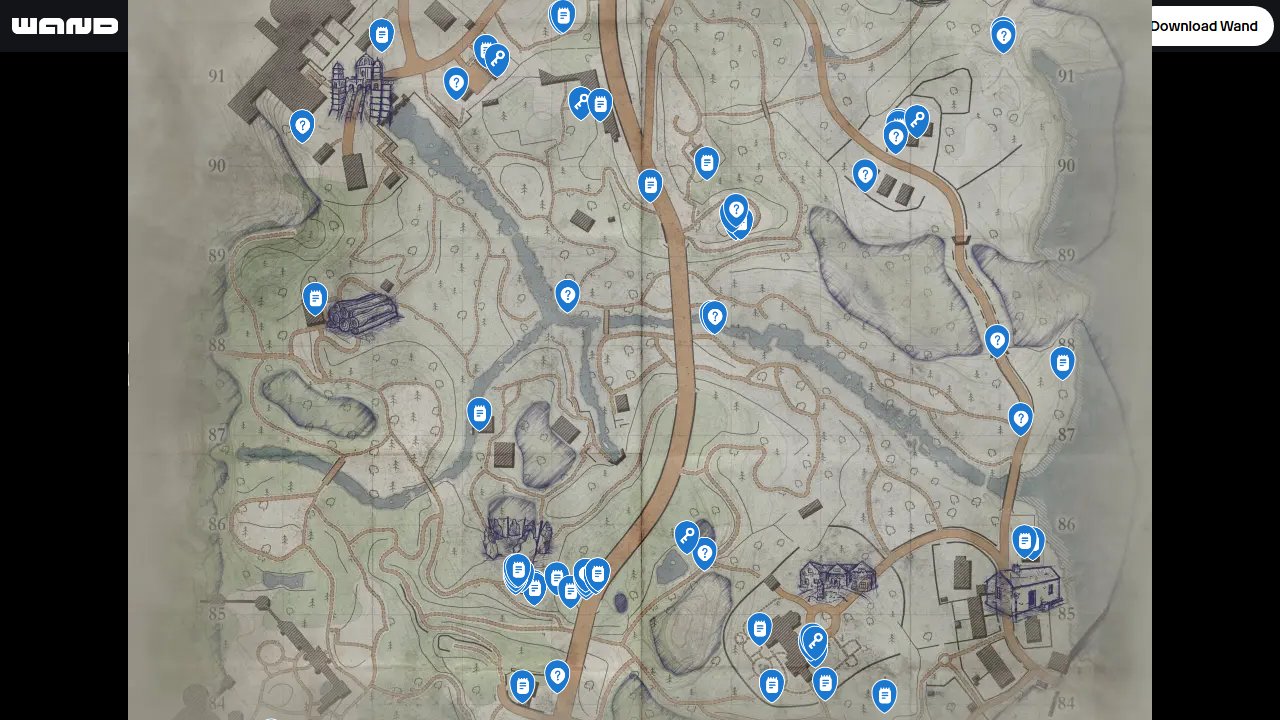
Investigations form the backbone of Atomfall’s mystery-solving gameplay, scattered throughout the quarantine zone as interactive clues that piece together the larger narrative. These markers lead you through interconnected storylines that reveal what happened during the nuclear incident and its aftermath.
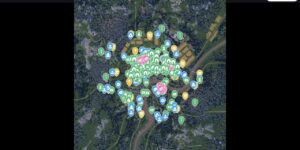
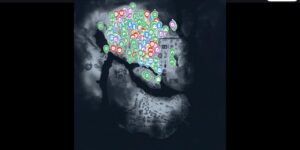
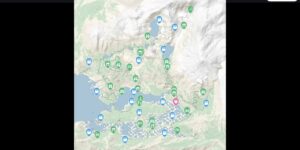
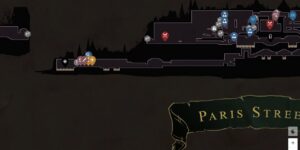
The Atomfall Interactive Map filters all Investigation locations into a single view, letting you track down Findings, Leads, Key Items, and Past Memories without missing crucial story elements. Each marker type serves a specific purpose in advancing different investigation threads that unlock new areas, characters, and plot revelations.

What Investigations Are Used For
Investigations drive Atomfall’s core progression system by gating access to story content, new locations, and character interactions based on your detective work.
- Unlock new dialogue options and quest lines with NPCs
- Gain access to restricted areas and buildings
- Piece together the timeline of events leading to the disaster
- Discover hidden locations marked on recovered documents
- Progress character relationships and faction standings
Investigations Types
The Investigation category encompasses six distinct marker types, each representing different forms of evidence and story progression elements scattered across the game world.
Findings
Findings represent physical evidence you can examine and collect at crime scenes, abandoned buildings, and points of interest. These markers often contain documents, photographs, or objects that provide direct clues about specific events. Most Findings can be picked up and referenced later in your investigation journal.
Lead
Lead markers indicate locations where you can gather information from environmental storytelling or NPC interactions. These don’t always provide physical items but instead offer dialogue trees, overheard conversations, or visual clues that point toward other investigation sites. Leads frequently connect different investigation threads together.
Key Item
Key Item locations house critical objects required to progress major story beats or access locked content. These items often serve as keys, identification cards, or special tools that open new gameplay possibilities. Missing a Key Item can block progression until you backtrack to collect it.
Past Memory
Past Memory markers trigger flashback sequences or environmental storytelling moments that reveal backstory about the disaster and its victims. These locations use visual and audio cues to show events from before the quarantine, providing context for current conditions. Past Memories rarely provide physical items but are essential for understanding the full narrative.
Key Items
This secondary Key Items category covers plot-critical objects that differ from the primary Key Item markers, often representing mission-specific tools or evidence pieces. These items typically advance specific investigation branches rather than opening general access to new areas. Some Key Items are consumed when used, while others remain permanent inventory additions.
Finding
The Finding category captures additional evidence pieces that complement the main Findings markers. These often represent smaller clues, personal effects, or supplementary documents that flesh out character backgrounds and minor story details. While not always required for main progression, Finding markers provide valuable context for the larger mystery.
How to Use the Map Efficiently
Investigation markers are spread across all major areas, so planning an efficient route saves considerable travel time and ensures you don’t miss connected story elements.
- Start with Lead markers in each new area to establish the local investigation context
- Collect Key Items first when entering restricted zones, as they often unlock additional content in the same area
- Group Findings and Finding markers together geographically to minimize backtracking
- Check Past Memory locations when you have sufficient context from other evidence types
- Use fast-travel points to efficiently move between investigation clusters
- Cross-reference investigation journal entries to identify which markers connect to active storylines
Investigations Locations Table
Each Investigation type serves specific functions within Atomfall’s mystery-solving framework.
| Type | What You Get | Notable Detail |
|---|---|---|
| Findings | Physical evidence and documents | Can be examined multiple times |
| Lead | Information and dialogue options | Often points to other locations |
| Key Item | Critical progression objects | Required for story advancement |
| Past Memory | Backstory flashback sequences | Provides narrative context |
| Key Items | Mission-specific tools | May be consumed when used |
| Finding | Supplementary evidence pieces | Adds character background details |
Tips for Investigations Hunting
- Read investigation journal entries before traveling to understand which markers relate to active cases
- Some Investigation locations only become accessible after completing prerequisite story missions
- Check building interiors thoroughly, as many markers are hidden inside structures rather than marked outdoors
- Bring lockpicks and access cards when investigating, as some evidence is behind secured doors
- Return to previous Investigation sites after major story developments, as new markers sometimes appear
- Talk to NPCs near Investigation markers, as they often provide additional context or related leads
FAQs
Can I miss Investigation markers permanently?
Most Investigation markers remain available throughout the game, but some tied to specific story moments may become inaccessible after certain choices or mission completions.
Do I need to collect all Investigations to complete the main story?
Key Items are essential for progression, while other Investigation types provide optional context and side content. However, collecting more evidence often unlocks better dialogue options and alternative solutions.
How do Investigation markers connect to each other?
Your investigation journal tracks connections between different evidence types, showing how Leads point to Findings, and how Key Items unlock access to Past Memories and additional investigation sites.
What happens if I collect Investigation markers out of order?
Atomfall accommodates non-linear investigation discovery, automatically organizing evidence in your journal and providing context even when collected out of sequence.
Credit: Atomfall by Wand