All Environment Locations in Indiana Jones And The Great Circle
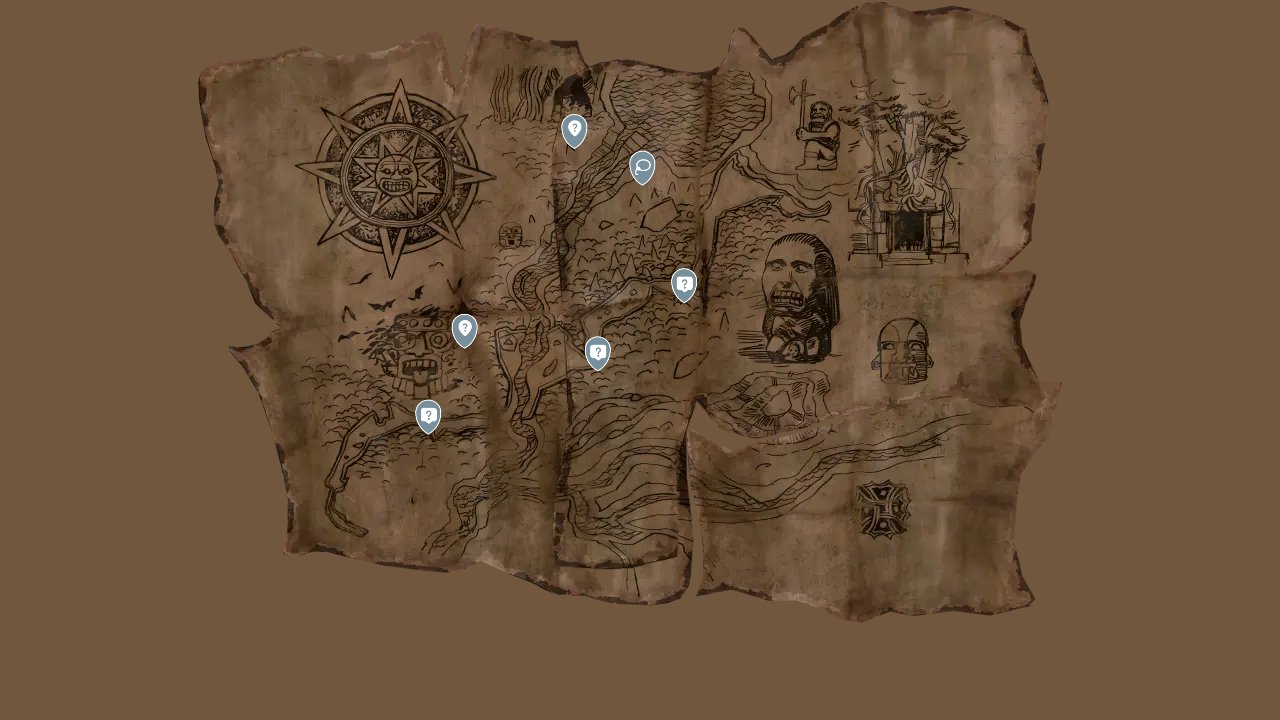
Environment markers in Indiana Jones And The Great Circle represent the interactive elements that make exploration rewarding and immersive. These markers highlight objects, mechanisms, and features you can interact with throughout your adventure, from simple switches to complex puzzle components. The Indiana Jones And The Great Circle Interactive Map filters these environment elements to help you locate every interactive opportunity. Whether you’re searching for hidden switches, tracking down locked containers, or planning puzzle solutions, having these markers visible streamlines your exploration and ensures you don’t miss valuable interactions.
What Environment Are Used For
Environment markers reveal the interactive backbone of Indiana Jones And The Great Circle, showing you every object, mechanism, and feature you can engage with during exploration and puzzle-solving.
- Unlock new areas by finding switches, levers, and door mechanisms
- Locate valuable loot inside chests, safes, and containers
- Access puzzle tools and weapons needed for specific challenges
- Discover alternative routes through windows and crawlspaces
- Complete NPC requests that require specific interactive elements
Environment Types
The map tracks numerous types of interactive elements, each serving different gameplay functions from navigation to puzzle-solving to loot collection.
Interactable Objects
These represent general objects you can examine or manipulate throughout the world. They often provide contextual information, reveal hidden compartments, or trigger story elements that enhance your understanding of the environment.
Locked Doors
Doors that require keys, tools, or specific actions to open. These typically block access to valuable areas containing loot, story content, or alternative paths through levels.
Switch
Mechanical switches that control various systems like lighting, doors, or machinery. These are crucial for puzzle solutions and often need to be activated in specific sequences or combinations.
Point of Interest
Notable locations or objects that provide story context, lore, or serve as landmarks for navigation. These markers help you understand the world’s history and often contain valuable information.
Window
Windows that can be opened, broken, or climbed through to access new areas. These provide alternative entry points and escape routes, essential for stealth approaches or bypassing locked doors.
Crawlspace
Tight spaces that Indy can crawl through to reach hidden areas or bypass obstacles. These passages often lead to secret rooms, shortcuts, or valuable loot caches.
Puzzle Tools/Weapons
Items that serve dual purposes as both puzzle-solving tools and combat weapons. These objects are essential for specific challenges and should be collected whenever encountered.
Bullwhip Interaction
Objects and anchor points specifically designed for whip-based interactions. These enable traversal across gaps, pulling distant objects, or accessing elevated areas that would otherwise be unreachable.
Locked Chest/Safe
Secured containers requiring keys, combinations, or tools to open. These typically contain valuable loot, important documents, or story-relevant items worth the effort to unlock.
Chest/Locker
Standard containers that can be opened without special requirements. These provide consistent sources of supplies, currency, and equipment upgrades throughout your journey.
Locked/Blocked Door
Doors obstructed by debris or security measures beyond simple locks. These require creative solutions, specific tools, or completing nearby puzzles to clear the way forward.
Crawlspaces
Small passages accessible only by crouching or crawling. These hidden routes often connect different areas or provide access to secret chambers containing rare items.
Whip Interaction
Environmental elements designed for bullwhip use, including swing points and interactive mechanisms. Mastering these interactions is key to accessing many of the game’s hidden areas and secrets.
Puzzle Tools
Specialized items required for specific environmental puzzles. These tools are often location-specific and must be found nearby to complete the associated challenges.
Chest/Container
General storage containers holding supplies and equipment. These provide steady progression rewards and are worth checking consistently during exploration.
Weapons
Combat tools scattered throughout the environment. While useful for fighting, many weapons also serve as puzzle tools or keys to unlock specific interactive elements.
Interactive Objects
Miscellaneous objects that respond to player input. These range from simple examination targets to complex mechanisms that trigger environmental changes or reveal hidden content.
Locked Door/Gate
Barriers requiring specific keys or mechanisms to open. These gates often protect valuable areas and serve as natural progress checkpoints in the game’s structure.
Radio
Communication devices that provide story context, mission updates, or atmospheric audio. Interacting with radios often reveals important plot information or gameplay hints.
Locked Safe
High-security containers protecting the most valuable loot and documents. These safes typically require combination codes found elsewhere in the environment or special tools to crack.
Interactive Object
Environmental elements that respond to various types of player interaction. These objects form the foundation of the game’s exploration and puzzle-solving mechanics.
Radio Boat
Specialized communication equipment found near water-based locations. These radios often provide maritime-specific information or coordinate water-based mission elements.
NPC Requests
Interactive elements related to character missions and side quests. These markers indicate objects or locations needed to complete requests from various NPCs throughout the game.
How to Use the Map Efficiently
Environment markers are densely packed throughout most areas, so systematic exploration prevents missing valuable interactions.
- Check building interiors thoroughly, as many interactive objects are hidden inside structures
- Look for alternative entry points like windows and crawlspaces when doors are locked
- Prioritize locked containers and safes, as they typically contain the most valuable rewards
- Note whip interaction points early, as they often unlock shortcuts for later backtracking
- Complete NPC requests as you encounter them, since they often lead to additional environment interactions
- Return to areas with new tools, as previously inaccessible environment elements may become available
Environment Locations Table
Each environment type offers specific rewards and gameplay opportunities throughout Indiana Jones And The Great Circle.
| Type | Primary Function | Reward Category |
|---|---|---|
| Interactable Objects | Context and story | Information and lore |
| Locked Doors | Area access control | Hidden rooms and passages |
| Switch | System activation | Puzzle solutions |
| Point of Interest | World context | Story and navigation |
| Window | Alternative access | Entry and escape routes |
| Crawlspace | Hidden navigation | Secret areas |
| Puzzle Tools/Weapons | Dual-purpose items | Combat and puzzle solutions |
| Bullwhip Interaction | Traversal mechanics | Access to elevated areas |
| Locked Chest/Safe | Secured storage | Valuable loot and documents |
| Chest/Locker | Standard storage | Supplies and equipment |
| Locked/Blocked Door | Obstructed access | Protected valuable areas |
| Crawlspaces | Stealth navigation | Hidden passages |
| Whip Interaction | Environmental traversal | Shortcuts and secrets |
| Puzzle Tools | Specific challenges | Puzzle completion |
| Chest/Container | General storage | Consistent rewards |
| Weapons | Combat equipment | Fighting and utility tools |
| Interactive Objects | General interaction | Various rewards |
| Locked Door/Gate | Progress barriers | Area progression |
| Radio | Communication device | Story and mission info |
| Locked Safe | High security storage | Premium loot |
| Interactive Object | Environmental engagement | Exploration rewards |
| Radio Boat | Maritime communication | Water-based information |
| NPC Requests | Character missions | Quest completion items |
Tips for Environment Hunting
- Always carry lockpicks and tools, as many environment interactions require specific equipment
- Check behind and around objects, as many interactive elements are partially hidden
- Listen for audio cues like mechanical sounds or radio static that indicate nearby interactive objects
- Use your whip liberally to test potential interaction points that seem out of reach
- Revisit areas after story progression, as new environment interactions often become available
- Pay attention to environmental storytelling, as many interactive objects are placed to support narrative elements
FAQs
Can I return to areas to access missed environment interactions?
Yes, most areas remain accessible throughout the game, allowing you to return with new tools or knowledge to interact with previously inaccessible environment elements.
Do environment interactions reset if I reload a save?
No, most environment interactions like opened chests and activated switches maintain their state across save reloads, though some puzzle elements may reset depending on the specific mechanism.
Are there environment interactions that can only be accessed during specific story moments?
Some environment elements are tied to specific missions or story beats, but most interactive objects remain available throughout the game once you gain access to their locations.
What happens if I miss important puzzle tools or weapons marked as environment interactions?
Critical puzzle tools are typically available in multiple locations or respawn as needed, while weapons can often be found throughout various areas to ensure you’re never completely without options.
Credit: Indiana Jones And The Great Circle by Wand